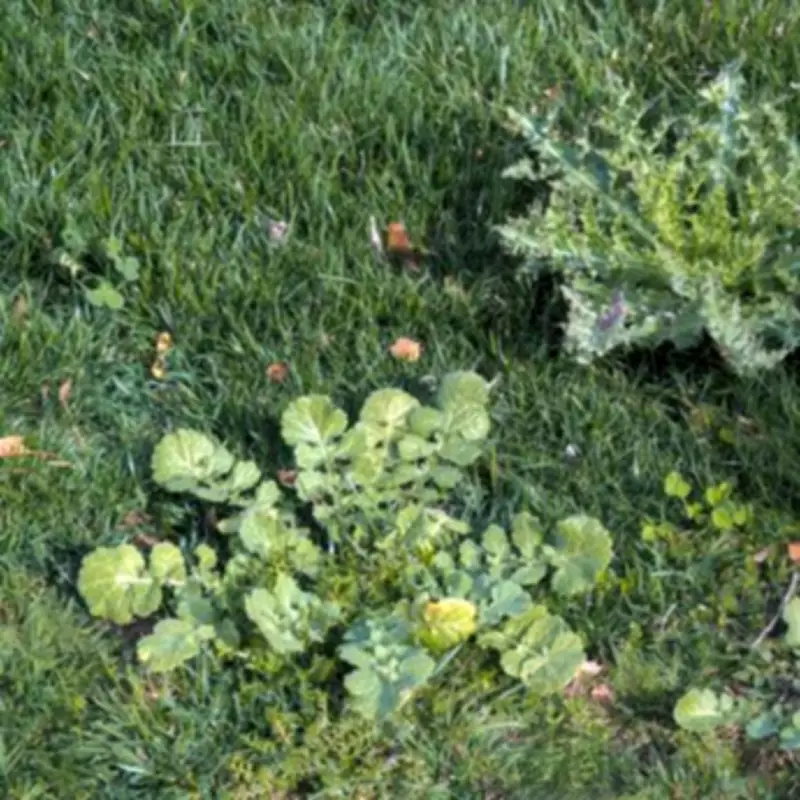
If you strive for a pristine lawn, there is one task specialists recommend performing every year to keep weeds at bay and grow grass thicker than ever. Weeds are a major nuisance, whether they appear in your lawn, vegetable patch, or rose garden, and they can be particularly challenging to eliminate when they invade your grass.
Not only do lawn weeds look unsightly, but they also compete with desired grass for nutrients and space. During spring and summer, grass often turns brown as a survival strategy, while weeds tend to remain greener and even more persistent. Gardening experts have now shared one essential task to naturally resist weed growth and maintain a lush lawn.
Aeration: The Key to a Weed-Free Lawn
According to the specialists at Yard Dawgs, aeration is one of the best practices you can do for your lawn. They explain: “Weeds love compact soil and dry conditions, so aerating hits the nail right on the head.” By perforating the soil with small holes, aeration alleviates compaction, allowing air, water, and nutrients to penetrate the grassroots.

Lawn experts at Tufscape note that weeds germinate in areas where they can thrive, and the best defence is to have a thick lawn. Aeration helps achieve this by promoting deeper root growth and denser turf. Similarly, Greensleeves specialists agree that aeration “promotes a thicker, healthier lawn that is better able to compete against weeds and resist disease.”
Additional Benefits of Aeration
Over time, lawns can thin out due to poor root growth, inadequate nutrient uptake, and other factors. A thin lawn is more susceptible to weeds, pests, and diseases. Aeration not only prevents weeds and thickens lawns but also offers several other advantages:
- Reduces thatch build-up – Thatch is a layer of dead grass, roots, and debris that accumulates on top of the soil. While a thin layer can be beneficial, excessive thatch creates a barrier that blocks water, air, and nutrients from reaching the soil.
- Improves water absorption – Aeration allows lawns to absorb water efficiently, reducing the risk of surface water puddling or erosion. Poor drainage can drown grass roots and create bare patches, leading to a weak and unsightly lawn.
By performing aeration every spring, homeowners can naturally resist weed growth, enhance grass density, and enjoy a healthier, more resilient lawn throughout the growing season.