Bridget Phillipson has warned that fewer children are reading books, making them more vulnerable to Russian disinformation. The Education Secretary said the decline in reading among young people could have an 'impact on our security as a country' as hostile forces become increasingly sophisticated on social media.
Writing in the Telegraph, Ms Phillipson said the UK needs to raise a 'generation of critical thinkers' to counter state actors who pretend to be legitimate news sources and spread disinformation online. She added that the threat from Russia and other foreign state actors is growing, with a 'dark new frontier' of disinformation across social media and the wider internet.
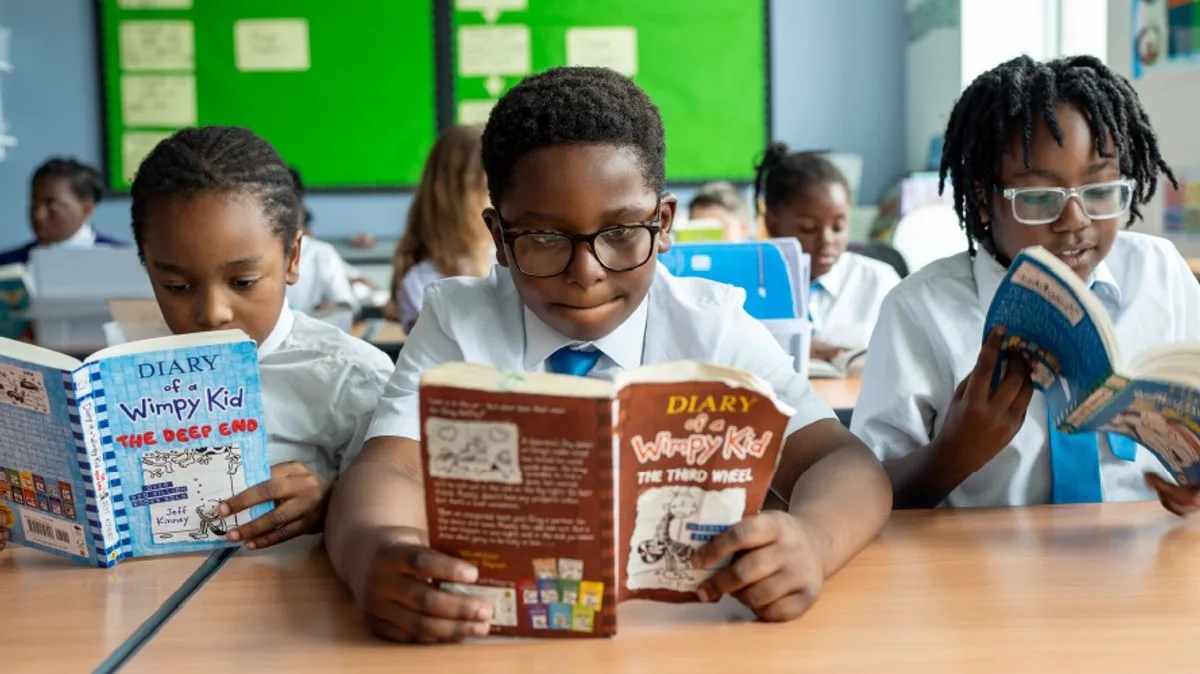
The Department for Education has teamed up with the National Literacy Trust for a UK-wide campaign to make 2026 the national year of reading. This initiative aims to improve reading rates, which have dropped from around half of children enjoying reading 20 years ago to just a third now, according to the trust.

Ms Phillipson last year announced plans to introduce a new Year 8 reading test, but has faced pushback from teaching unions. The National Education Union's general secretary, Daniel Kebede, warned that 'more mandatory tests are not the answer'.
The warning comes as the head of MI6, Blaise Metreweli, said the UK is facing a 'tsunami of disinformation and propaganda' aimed at destabilising society and trust in government institutions. She pledged that her teams of spies would be more fluent in technology, including computer programming systems like Python.