In a move that signals the end of an era, Denmark's state-run postal service will cease all letter deliveries from 30 December. This concludes a remarkable 400-year history, with around 1,500 jobs lost and the nation's iconic red letterboxes being sold off.
The Unstoppable Decline of Physical Mail
While the romantic notion of a solitary writer at a lamplit desk persists in our cultural memory, it no longer reflects modern reality. The Danish decision is a stark indicator of a global trend. In the UK, letter volumes have plummeted from a peak of 20 billion in the mid-2000s to just 6.6 billion in 2023-24. Second-class services have been reduced, and unpopular stamp price hikes have only accelerated the decline.
Other European nations are on a similar path. France's La Poste has begun removing public postboxes, and Germany's Deutsche Post is cutting thousands of positions. The primary driver is unequivocal: the digital world has absorbed business transactions and offers myriad ways to communicate instantly.

A Lost Art and Its Cultural Patrimony
The gradual passing of letter writing into history will be mourned by many. From Samuel Johnson to Virginia Woolf and T.S. Eliot, prolific letter writers have left behind a precious patrimony. Their correspondence offers vivid, intimate windows into the everyday reality of their times, elevating the form to a branch of literature.
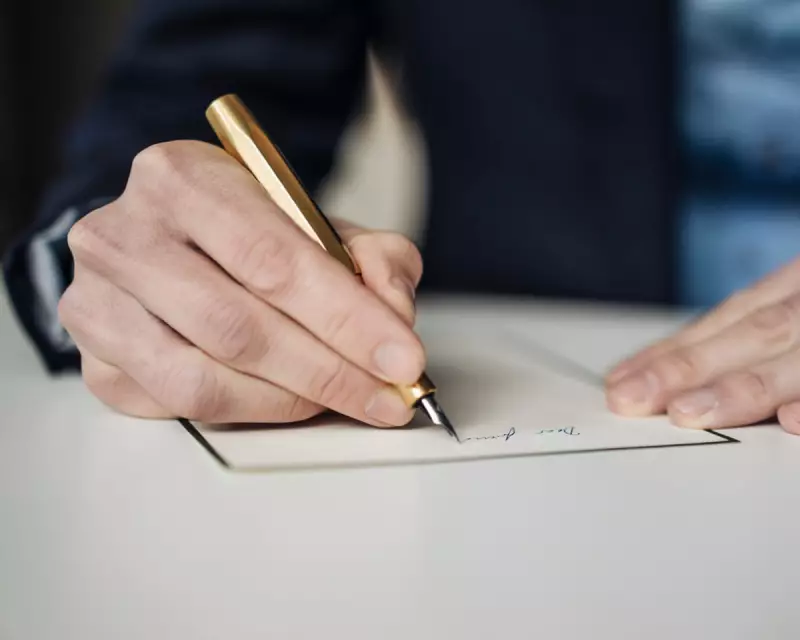
As historian G.M. Trevelyan noted, letters once empowered the poor to communicate with separated loved ones for the first time. A handwritten letter represented a tangible emotional investment—a dedicated time set aside, made physical in the envelope delivered to a recipient's door.
Digital Transformation and New Literary Forms
Yet, transformation also brings new possibilities. Digitalisation is fostering unpredictable literary experimentation. Platforms like Substack can be seen as a form of open letter to digital communities. On WhatsApp and similar services, the speed of exchange has licensed a liberating informality that encourages constant stylistic innovation.
The future of personal communication is being written, but not on paper. As Lewis Carroll once quipped in the Victorian golden age of letters, "the proper definition of a man is an animal that writes letters." Today, that definition is being radically rewritten.
The interests of those who still depend on physical post—often the elderly and vulnerable—must be safeguarded during this transition. For the rest, the envelope dropping through the letterbox is becoming an increasingly rare event, a poignant reminder of a slower, more reflective mode of connection that is quietly slipping away.