The United States has officially finalised its departure from the World Health Organization (WHO), a controversial decision that has sparked widespread alarm among public health experts and international observers. This formal withdrawal marks the culmination of a process initiated by the Trump administration, leaving a significant financial debt and raising profound questions about future global health cooperation.
Financial Obligations and Unpaid Dues
As the withdrawal takes effect, the United States reportedly owes the global health agency more than $130 million in outstanding contributions. According to WHO records, the US has not paid any of its membership dues for 2024 and 2025, leaving a substantial balance that remains unresolved. A Trump administration official has disputed this financial obligation, asserting that the United States had no requirement to settle these debts prior to terminating its membership.
Expert Warnings and Global Implications
Public health authorities have expressed grave concerns about the consequences of this withdrawal. Lawrence Gostin, a distinguished public health law expert from Georgetown University, described the decision as "the most ruinous presidential decision in my lifetime." He emphasised that severing ties with WHO would severely undermine the international community's capacity to detect and respond to emerging health threats, potentially leaving nations vulnerable to future pandemics.

Dr Ronald Nahass, president of the Infectious Diseases Society of America, echoed these concerns, characterising the US withdrawal as "shortsighted and misguided" and "scientifically reckless." Experts warn that numerous critical global health initiatives could be crippled, including polio eradication programmes, maternal and child health projects, and vital research efforts to identify new viral threats before they become widespread crises.
Loss of Critical Health Intelligence
The withdrawal means the United States has ceased official participation in WHO-sponsored committees, leadership bodies, and technical working groups. This includes the crucial WHO influenza surveillance group that monitors circulating flu strains and makes essential decisions about updating seasonal flu vaccines. Such disease intelligence has historically positioned American health authorities "at the front of the line" when new outbreaks emerge, enabling rapid development and distribution of life-saving vaccines and treatments.
Administration Rationale and Alternative Approaches
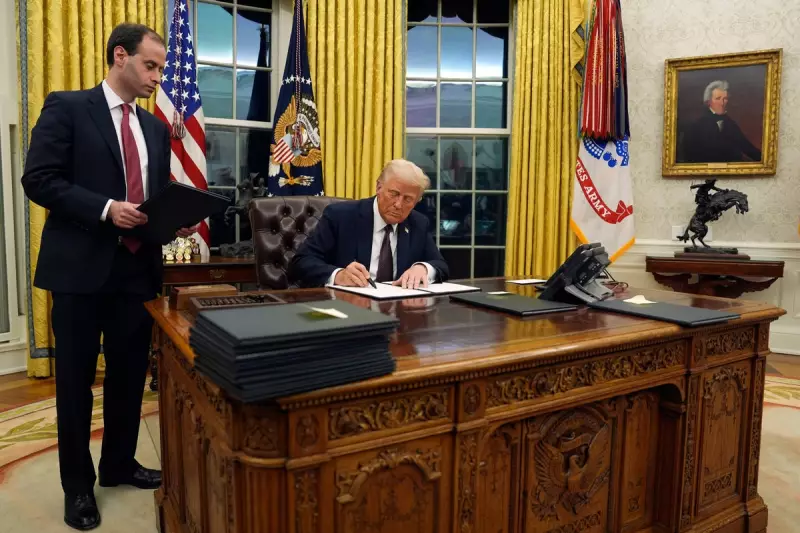
The Trump administration justified the withdrawal by citing WHO's alleged mishandling of the Covid-19 pandemic and other global health crises. In an executive order issued shortly after taking office, President Trump criticised the organization's "failure to adopt urgently needed reforms" and its "inability to demonstrate independence from the inappropriate political influence of WHO member states." Administration officials also noted that none of WHO's nine chief executives since its 1948 founding have been American, despite substantial US financial contributions and personnel support.
Trump administration officials have indicated they are working to establish direct public health relationships with individual countries, bypassing WHO as an intermediary. They claim this approach will ensure more efficient sharing of critical health information. However, experts remain sceptical about this strategy's feasibility and effectiveness on a global scale.
Legal and Practical Challenges
Lawrence Gostin has raised significant legal questions about the withdrawal process itself, arguing that since the United States joined WHO through an act of Congress, it should require congressional approval to withdraw. Furthermore, he questions the practicality of establishing bilateral health data-sharing agreements with numerous countries, particularly those with which the United States has strained diplomatic relations. "Are countries in Africa going to do it? Are the countries Trump has slapped with a huge tariff going to send us their data?" Gostin questioned, suggesting the administration's claims about alternative arrangements are "almost laughable."

Historical Context and Financial Contributions
The United States played a leading role in establishing the World Health Organization and has historically been among its most significant supporters. On average, the US contributed approximately $111 million annually in membership dues, supplemented by around $570 million in voluntary contributions each year. American personnel from institutions like the Centers for Disease Control and Prevention have provided specialised public health expertise that has been instrumental in WHO's global operations.
WHO serves as the United Nations' specialised health agency, coordinating international responses to threats including mpox, Ebola, and polio outbreaks. The organization provides technical assistance to lower-income nations, helps distribute scarce medical resources including vaccines and treatments, and establishes evidence-based guidelines for hundreds of health conditions ranging from mental health to cancer care.
As the United States formally exits this vital global health framework, the international community faces unprecedented challenges in maintaining coordinated responses to health emergencies. The withdrawal leaves a substantial financial gap in WHO's budget and creates uncertainty about how future global health crises will be managed without full American participation in the world's primary health coordination body.