In a significant development for the UK's independent education sector, a prestigious public school with over a century of history has announced its imminent closure, citing severe financial pressures that have rendered its continued operation unsustainable. This decision comes as the Labour government continues to implement its controversial policy of applying VAT to private school fees, a move that has already led to numerous closures across the country.
A Century of Education Comes to an End
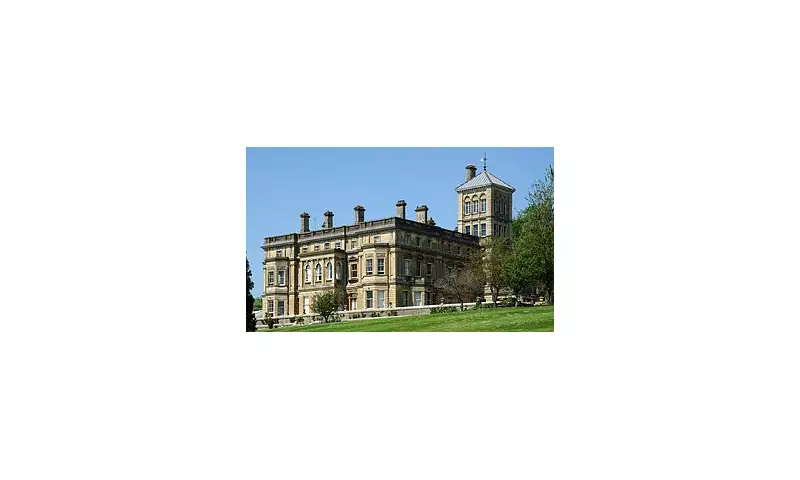
Rendcomb College, a distinguished boarding institution established in 1920 in the picturesque village of Rendcomb, Gloucestershire, has informed parents that it will shut its doors at the conclusion of the current academic year. The school, which occupies approximately 230 acres of land including the historic Rendcomb Park, has determined that it is no longer financially viable to remain open.
In a heartfelt letter to parents and a subsequent statement on the school's official website, the institution revealed that despite its strong educational track record, current and projected pupil numbers combined with the challenging economic climate facing independent schools nationwide have made continued operation impossible. The statement emphasised that this was a reluctant decision reached after exploring all feasible alternatives, including potential mergers and various funding arrangements.

Financial Pressures and External Factors
The financial challenges facing Rendcomb College are substantial and multifaceted. The school charges fees starting at £3,370 per term for junior students and £8,945 per term for senior pupils, yet these income streams have proven insufficient to cover operational costs. Nicholas Ford, Chairman of Governors, explicitly cited the 'economic situation' affecting independent schools across the country as a primary factor in the closure decision.
Of particular significance is the withdrawal of 'significant funding' that the college had historically received from the Rendcomb College Foundation. While this financial support had sustained the institution for many years, the statement noted that 'the enormous increase in the deficit for the current year, and the anticipated financial picture for next year, mean that such support is unsustainable.'
The Wider Impact of Labour's VAT Policy
This closure occurs against the backdrop of Labour's implementation of VAT on private school fees, a policy that has generated considerable controversy within the education sector. According to recent revelations, a total of 105 independent schools have already closed as a direct result of this policy, affecting approximately 25,000 children nationwide.
Julie Robinson, Chief Executive of the Independent Schools Council, has painted a bleak picture for the future of independent education, warning that 'we are likely to see further closures over the coming months and years as the effects of VAT and other tax measures mount up.' This prediction stands in stark contrast to initial government forecasts, which suggested minimal impact on the sector.
Historical Context and Educational Legacy
Rendcomb College possesses a rich educational heritage that makes its closure particularly poignant. Originally founded to provide broad-ranging education to boys from modest backgrounds, the institution only began admitting fee-paying students in 1923. Over the decades, it evolved into a co-educational establishment while maintaining its commitment to academic excellence.
The school's campus includes St Peter's Church, regarded as one of Britain's finest remaining Norman architectural works dating back to the 12th century. This historical connection underscores the cultural and educational significance of the institution within the Gloucestershire community and beyond.
Support and Transition Arrangements
In response to the closure announcement, neighbouring educational institutions have extended offers of support to affected students and families. Wycliffe College, located approximately 25 miles away in Stonehouse, has publicly expressed its 'deep sadness' at the news and pledged to work closely with Rendcomb's leadership team to provide stability and continuity for displaced students.

Christian San José, Headmaster of Wycliffe College, emphasised that his institution's priority is to offer 'reassurance and above all kindness' during this challenging transition period. Other schools in the Gloucestershire area, including St Edward's senior school and Ashley Manor Prep School, have similarly posted messages of support and encouraged affected parents to contact their admissions teams.
The Human Impact and Sector-Wide Concerns
The closure will inevitably have significant consequences for the school's 'highly professional and dedicated staff,' whom the college has pledged to assist in finding alternative employment. Additionally, the institution's focus will now shift toward helping pupils secure appropriate alternative educational provision, ensuring minimal disruption to their academic journeys.
This development raises broader questions about the sustainability of independent education in the current economic and policy environment. With even prestigious institutions like Marlborough College implementing cost-saving measures such as turning off heating during holidays, the sector faces unprecedented challenges that extend beyond individual school closures to fundamental questions about educational diversity and choice in Britain.