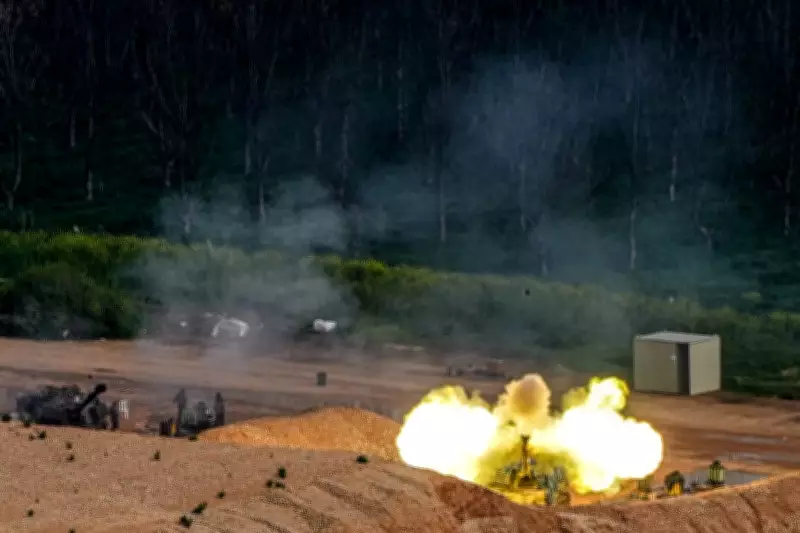
Two Indonesian soldiers serving with the United Nations Interim Force in Lebanon (UNIFIL) were tragically killed in southern Lebanon on Sunday after an unidentified projectile exploded. The incident, which also left two other personnel injured, has prompted UNIFIL to initiate a thorough investigation into the blast's origins and circumstances.
UNIFIL Calls for Safety Amid Rising Tensions
In response to the deadly explosion, UNIFIL has urgently called on all parties involved in the regional conflict to prioritise the safety and security of United Nations personnel operating in the area. This appeal comes as the mission faces increasing dangers in a volatile environment marked by ongoing hostilities.
Additional Incidents Highlight Mission Risks
Separately, a Polish UNIFIL soldier sustained minor injuries from the detonation of a roadside device, underscoring the pervasive threats faced by peacekeeping forces. Furthermore, on 6 March, a Ghanaian detachment was critically injured by Israeli tank fire, adding to a growing list of casualties among UN personnel in recent weeks.

Background on UNIFIL and Current Operations
UNIFIL was established in 1978 with the primary mandate to monitor the demarcation line between Israel and Lebanon, known as the Blue Line. Currently, the mission is operating amidst intense and escalating clashes between the Israeli Defence Forces (IDF) and the Lebanese militant group Hezbollah, complicating its peacekeeping efforts.
Scheduled Withdrawal Amid Political Pressure
The mission is scheduled to withdraw by 31 December 2026, following sustained pressure from Israel and the United States. Under the administration of former President Donald Trump, the US has regarded UNIFIL as a significant financial burden, contributing to the decision to end its mandate. This planned withdrawal raises concerns about the future stability and monitoring of the region in the absence of UN oversight.
The explosion that killed the two Indonesian peacekeepers remains under investigation, with UNIFIL working to determine the projectile's origin and the parties responsible. As tensions continue to mount, the safety of UN personnel remains a critical issue in southern Lebanon's conflict zone.