The United Nations has issued a stark warning, revealing that more than 1,000 humanitarian workers have been killed across the globe in the past three years. This shocking figure represents a near-tripling of the death toll recorded in the previous three-year period, signaling a severe crisis in the protection of aid personnel.
A Collapse of Protection
UN humanitarian chief Tom Fletcher delivered the grim statistics to the UN Security Council, stating unequivocally that this escalation is not accidental. "This is not an accidental escalation — it is the collapse of protection," Fletcher declared, highlighting a systemic failure in safeguarding those delivering essential aid.
Regional Breakdown of Fatalities
Of the more than 1,010 aid workers killed from 2023 to 2025, the majority perished in conflict zones. More than 560 deaths occurred in Gaza and the West Bank, with significant numbers also recorded in Sudan (130), South Sudan (60), Ukraine (25), and Congo (25). This compares to a total of 377 humanitarian workers killed from 2020 to 2022, underscoring the dramatic increase in violence against aid personnel.

Annual Death Toll Analysis
The surge in fatalities has been particularly pronounced in recent years. In 2024 alone, a record 383 humanitarian workers were killed while distributing food, water, shelter, and medicine in global hotspots. Fletcher emphasized that these individuals died "in clearly marked convoys and on missions coordinated directly with authorities," indicating deliberate targeting rather than accidental casualties.
Last year saw at least 326 aid workers recorded as killed across 21 different countries, demonstrating the widespread nature of the threat. The period coincides with the war between Israel and Hamas that began in October 2023, though a ceasefire has been in effect since October 2025, with persistent shootings and airstrikes continuing to claim lives.
Security Council Resolution and Accountability
The Security Council meeting addressed a resolution adopted in May 2024 that strongly condemned attacks on humanitarian workers and UN personnel. The resolution demanded that all combatants protect aid workers in accordance with international humanitarian law.
Fletcher posed challenging questions to the 15 members of the UN's most powerful body, asking whether the killings occurred because international law "is no longer convenient" or because "it is more important to protect those designing, selling, supplying and firing lethal weapons?"
"Or is it because member states see these numbers as collateral damage, part of the fog of war? Or worse, are we now seen as legitimate targets?" he questioned. "Perhaps the most chilling question: If these deaths were 'preventable', why then were they not prevented?"
Beyond Killings: Restrictions and Detentions
The crisis extends beyond fatalities, with humanitarian staff facing increasing restrictions, penalties, and delegitimization. Fletcher reported that aid workers are being told where they cannot go and whom they cannot help, severely hampering relief efforts.
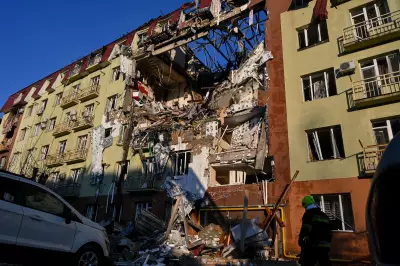
In Yemen, 73 UN staff and dozens of NGO workers are being arbitrarily detained by Houthi rebels. In Afghanistan, female humanitarian staff are banned from performing their duties. In Gaza, Israel restricts UN and international organizations, while in Ukraine, drone attacks have forced aid workers to retreat from front-line areas.
A Symptom of Global Breakdown
Fletcher described these trends as "a symptom of a lawless, bellicose, selfish and violent world," noting they coincide with a collapse in funding for lifesaving humanitarian work. He challenged all 193 UN member nations to uphold the 2024 resolution's demands to protect humanitarian workers and ensure accountability for crimes committed against them.
The UN's report serves as a sobering reminder of the increasing dangers faced by those providing essential humanitarian assistance in conflict zones worldwide. As violence against aid workers escalates, the international community faces mounting pressure to implement effective protection measures and hold perpetrators accountable for these attacks on humanitarian personnel.