Haiti has a chance now to tackle pervasive gang violence with a U.S.-initiated international force starting to deploy and a prime minister committed to providing alternatives for young gang members, the United Nations’ expert on human rights in Haiti said Monday.
“We’re in a place now where the next few months are going to be crucial,” said William O’Neill, who visited Haiti this month. “And I think it can turn around, because the gangs, at the end of the day, are not that powerful.”
The U.N. Security Council on Sept. 30 approved a plan co-sponsored by the U.S. and Panama to authorise a much larger, 5,550-member force with expanded powers to help stop the escalating gang violence in Haiti. It is aimed at transforming a Kenya-led multinational force, which arrived in Haiti in June 2024 and grew to about 1,100 troops, into a “gang suppression force” with the power to arrest suspected gang members, which the current force does not have.
O’Neill told U.N. reporters that the support office and other elements of the gang suppressing force are already in Haiti setting up and the first troop arrivals are slated for early April, with more contingents arriving in the following months and the entire force on the ground by September. Some contingents in the Kenya-led forces are expected to stay, including from El Salvador, Guatemala and Jamaica, he said.
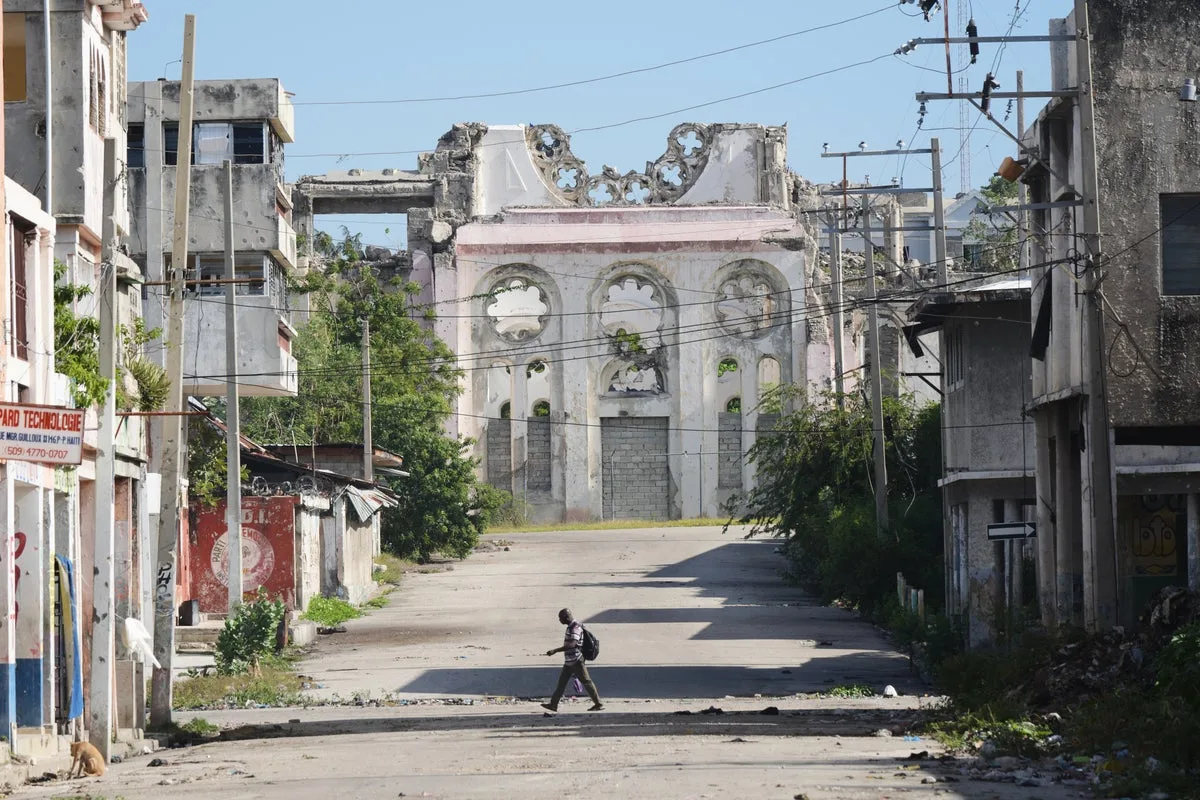
Gangs have grown in power since the assassination of President Jovenel Moïse in 2021. They now control 90% of the capital, Port-au-Prince, and have expanded their activities into the countryside, including looting, kidnapping, sexual assaults and rape. Haiti has not had a president since the assassination. Haitian police and the U.N.-backed multinational force have struggled to quell the violence.
O’Neill urged the U.N. Security Council to impose sanctions on more gang leaders and corrupt politicians and oligarchs tied to the gangs. And he said the flow of guns and other weapons primarily from the United States must be stopped because then “the gangs literally run out of bullets, and they lose their strength.”