UK spending on foreign aid has fallen to its lowest level since 2008, with provisional figures showing the government allocated 0.43% of national income to official development assistance (ODA) in 2025. This is down from 0.5% in 2024 and represents a total spend of just over £13bn, a decrease of £1bn (7.4%) year-on-year.
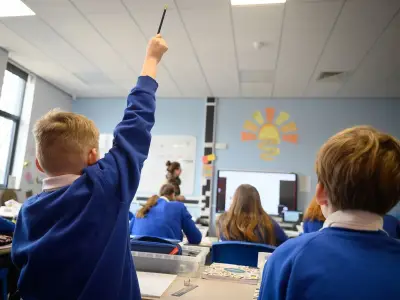
Humanitarian experts have warned that the cuts are costing lives. Gideon Rabinowitz, director of policy and advocacy at Bond, a UK network of international development organisations, said: 'Life-saving humanitarian programmes, including education provision in Syria and healthcare programmes across Africa, have already been forced to close, and with even deeper cuts still to be implemented this year and next, the worst consequences are yet to be realised.'
The reduction in aid spending comes as the government plans to cut ODA to 0.3% of gross national income by 2027 to fund an increase in defence spending. Campaigners have criticised the move, arguing it will weaken the UK's influence overseas and harm vulnerable communities. Amelia Whitworth of Plan International UK said: 'Stripping funding from so many countries means thousands more children will go without life-saving food, healthcare and protection.'
In 2025, £2.4bn of the aid budget was spent on supporting refugees and asylum seekers in the UK, representing 18% of total ODA. The Organisation for Economic Cooperation and Development (OECD) noted that a projected 9% to 17% drop in ODA among its members in 2025 would hit the poorest countries hardest.
A Foreign, Commonwealth and Development Office spokesperson defended the decision, stating: 'National security is the first duty of this government. That is why, to fund an essential increase in defence spending, the government took the hugely difficult decision to reduce the UK official development assistance budget to 0.3% of GNI by 2027.' The government has committed to restoring aid to 0.7% of income when fiscal circumstances allow.