Exclusive: Titanic Diver Trapped Under Wreck for Six Hours in Total Darkness
Titanic Diver Trapped Under Wreck for Six Hours in Darkness

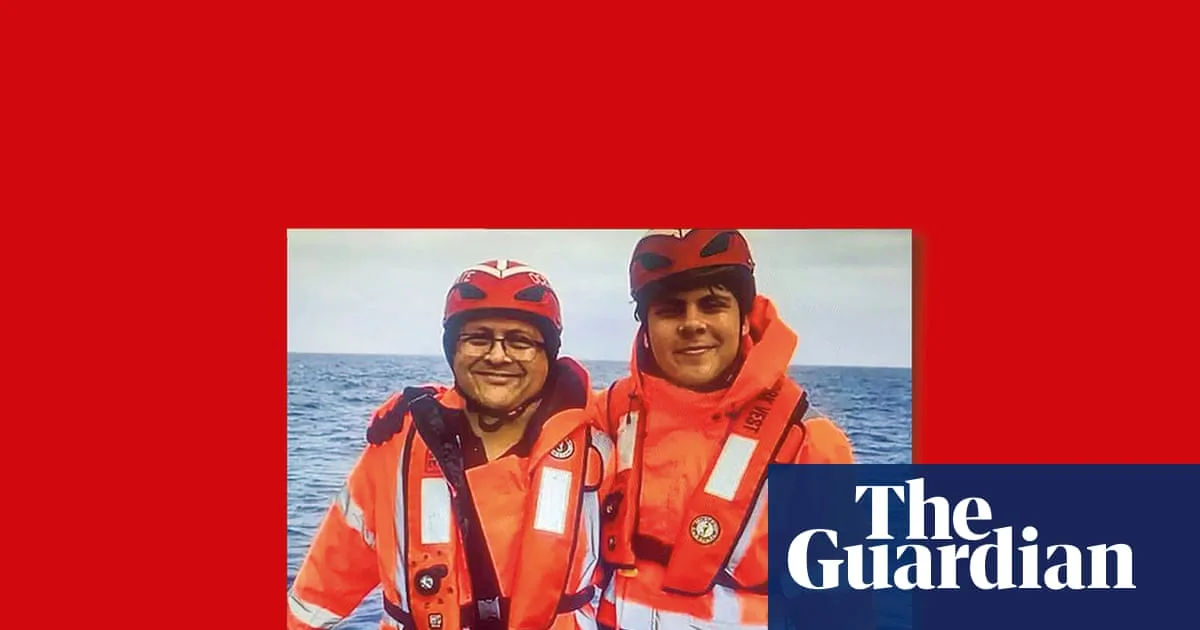
EXCLUSIVE: The Titanic may have slipped beneath the icy waters of the north Atlantic almost 114 years ago, but its story refuses to sink. Dik Barton, a seasoned diver who has explored the wreck 22 times, shares a chilling account of being trapped under the stern for six hours in complete darkness, unable to see a thing.

Enduring Fascination with the Titanic

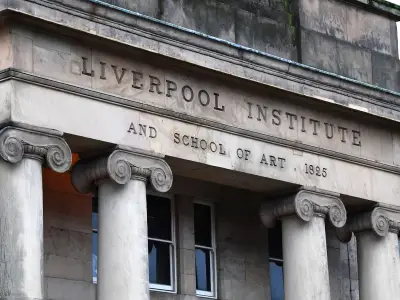
Interest in the Titanic continues to surge, with recent developments highlighting its lasting appeal. The building that housed the Titanic's former home in Liverpool has reopened as a hotel, offering Titanic tours to international tourists. Meanwhile, a major exhibition has attracted tens of thousands of visitors across UK cities, and a new book about the liner's engineers, dubbed the 'unsung heroes' of the tragedy, is in the works, authored by a descendant of Bruce Ismay.

Dik Barton, former Director of Operations for RMS Titanic Inc, the organisation authorised to recover artefacts from the wreck, is not surprised by this ongoing fascination. He says, "Interest in her will always be with us - it's the most bizarre thing. The only way I can explain it is there is something in the story for everyone, whether you're six or 96." He attributes this to the intrigue, romance, history, and the fact that the Titanic still holds secrets, making the story compelling for new audiences.

A Harrowing Dive Experience

A former member of the Parachute Regiment, the 66-year-old father of three first dived on the Titanic in 1993. Reflecting on his experiences, Dik, who lives in Cumbria, emphasises the need for focus during dives. "It's an extraordinary privilege, but you can't be invested in the emotion of it. You have to remain focussed - you are down two and a half miles below the sea in one of the deepest parts of the ocean. There is no room for error," he explains.

He recalls a particularly dangerous incident: "I remember an occasion when we got pushed by a current and stuck under the stern of the wreck for six hours. That was a focussing moment. The ambient pressure down there is 65,000 pounds a square inch - that's like two adult elephants balancing on your thumbnail. You're sealed in, you can't see outside with the exception of the external camera systems, and they were all blocked. But there's no point being dramatic - that's not going to help. We had to work out logically what we could do, and we broke free. I must admit to a sense of relief when we reached the surface though."

Recovering Artefacts and Human Stories

During his dives, Dik helped recover over 6,500 objects, though he notes this is only a fraction of what remains. One item that deeply affected him was finding two handmade stone marbles in the mud and seabed detritus. "It was an amazing moment," he says, highlighting the human tragedy of the sinking.

Growing Public Interest and New Perspectives

Chris Carline, owner of the White Star Line Hotel in Liverpool, reports overwhelming visitor interest, with people from around the world drawn to the building's heritage. "Even though we're getting further away from the actual sinking, interest is growing - whether that's due to popular culture or new technology allowing better mapping of the wreck," he observes.

Cliff Ismay, a descendant of Bruce Ismay, is seizing this renewed interest to restore his ancestor's reputation. In his book, Understanding Bruce Ismay, he argues that Bruce was not a coward but played a role in saving lives. "I don't think he was a hero, but he was no coward. My research found he was responsible for actually saving lives as he patrolled the boat deck," Cliff states. He is now researching a second book on the engineers, aiming to tell their full story of sacrifice.

Exhibitions and Cultural Impact

Tom Rudderham, Director of White Star Heritage, notes that the Titanic's story resonates widely due to its historical context. "It all happened at a crossroads - the end of an era in British history. The ship contained a microcosm of public life, with the richest and poorest on board, leading to incredible stories of heroism and tragedy," he explains.

The Titanic Exhibition, featuring items like a deckchair and a piece of the grand staircase, has sold out venues across the UK, with over 37,000 visitors in Birmingham alone. Tom's favourite artefact is a piece of sheet music used by band leader Wallace Hartley, which survived the sinking with only a slight water stain. "It's remarkable that a piece of paper could survive," he remarks.

As new generations discover the Titanic, its legacy endures, fuelled by personal accounts like Dik Barton's harrowing dive, ongoing research, and public exhibitions that keep the memory alive.