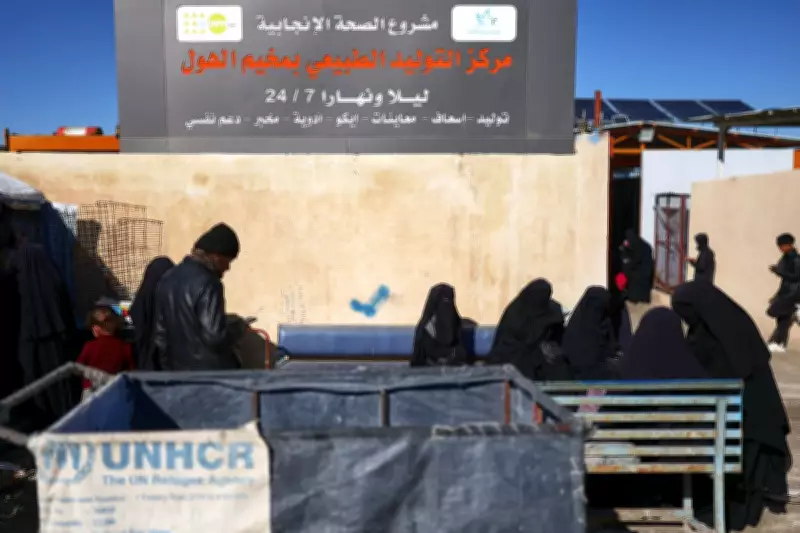
Syria's Notorious al-Hol Camp for Alleged IS Families Fully Emptied After Final Convoy
Syrian authorities have announced the complete evacuation of the al-Hol camp, a facility long associated with housing women and children alleged to have ties to the Islamic State group. The final convoy departed the camp on Sunday morning, marking the end of its operation, according to Fadi al-Qassem, the Syrian Foreign Ministry representative for the al-Hol camp administration.
Transfer and Repatriation Efforts Underway
In recent weeks, hundreds of residents from the remote northeastern Syrian camp have been relocated to the Akhtarin camp in Aleppo province, while others have been repatriated to Iraq. Officials cited the camp's isolated desert location, far from essential services and near areas with limited government control, as the primary reason for its closure. The United Nations refugee agency reported assisting in the return of 191 Iraqi citizens from al-Hol to Iraq last Thursday.
Declining Population and Security Concerns
Following the defeat of IS in 2019, al-Hol housed approximately 73,000 people, predominantly Syrian and Iraqi citizens, along with thousands from other nations. The population has since dwindled, with some countries repatriating their citizens, leaving about 24,000 residents as of last month. Although not technically prisoners and mostly unaccused of crimes, these individuals were held in de facto detention at the heavily guarded facility for years.

Recent Military Operations and Escapes
Last month, Syrian government forces captured al-Hol after a weekslong offensive against the Kurdish-led Syrian Democratic Forces (SDF), which had managed the camp near the Iraqi border for a decade. A ceasefire has since halted the fighting, but during and after the conflict, many families are believed to have escaped. The Syrian Observatory for Human Rights, a U.K.-based war monitor, noted that an unspecified number of residents left the camp individually without waiting for organized convoys.
Uncertain Future for Similar Camps
The fate of the smaller Roj camp in northeastern Syria, still under SDF control, remains unclear. Most of its residents are foreigners, with many countries refusing repatriation. For instance, Syrian authorities turned back a group of 34 Australian women and children on February 16 after they left Roj camp headed toward Damascus for a flight to Australia. Australian officials later stated they would not repatriate the families. A Syrian government official, speaking anonymously, attributed the issue to a lack of prior coordination with the Syrian government by the SDF and families before attempting the return, adding that future allowances would depend on the Australian government.