Transparency International’s latest Corruption Perceptions Index reveals a decade of stagnation, with most countries making little or no progress against public-sector corruption. The UK slid to its lowest score since 2012, while the US slipped modestly to 64 despite political upheaval and institutional strain. Israel dropped two points to 62 amid scrutiny over allegations of genocide and covert entanglement in other states.
The index, covering 182 countries, highlights a “worrying trend” of backsliding and erosion of democratic institutions through political donations, cash for access, and state targeting of campaigners and journalists. However, critics argue that perceptions are unevenly applied, with power and influence tempering declines for some nations.
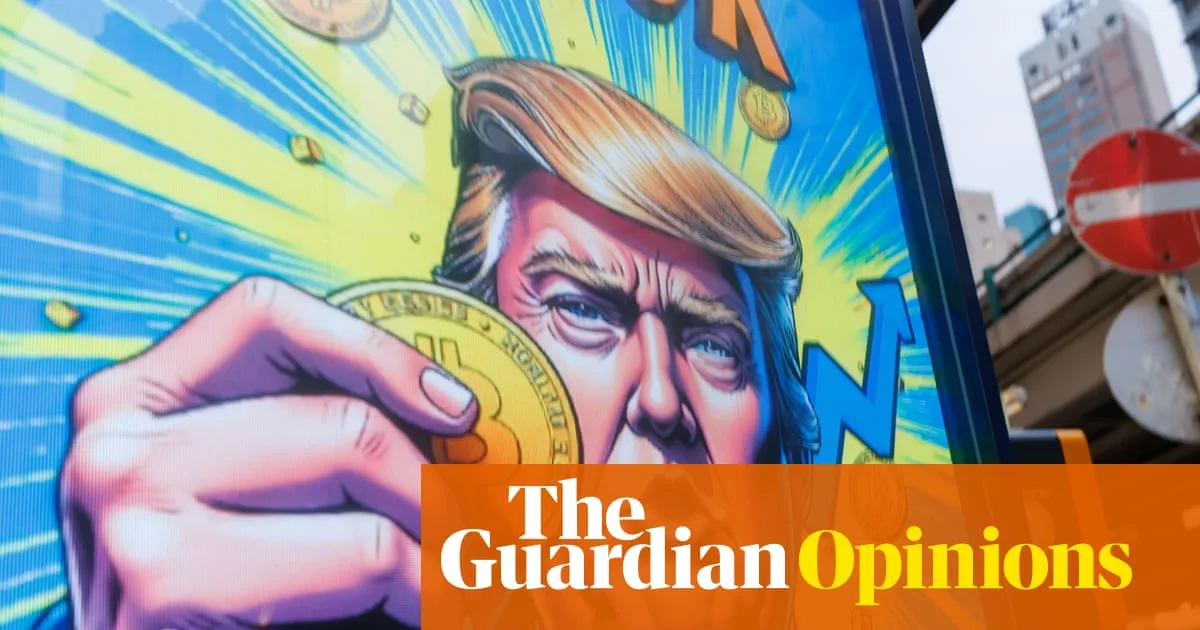
For three decades, anti-corruption efforts have relied on the US as an anchor and enforcer. But under Donald Trump, safeguards built over decades—including laws on money laundering, sanctions, and foreign bribery—have been weakened, experts say. Sanctions have been used as political leverage, applied harshly to adversaries and relaxed for allies, often devastating civilian economies and deepening poverty.
International accountability mechanisms have also faced attacks. Judges and prosecutors linked to the International Criminal Court have been threatened or sanctioned, including four judges and prosecutor Karim AA Khan KC. US sanctions were imposed on a Brazilian supreme court justice overseeing the trial of former president Jair Bolsonaro, signalling a dangerous precedent.
The report calls for the rest of the world to lead the fight against corruption, as the US can no longer be relied upon to act as its enforcer. Without principled leadership, corruption will continue to mutate, thriving in scarcity and hidden markets amid geopolitical rivalry and climate breakdown.