South African Town's Name Change Ignites Racial and Historical Debate
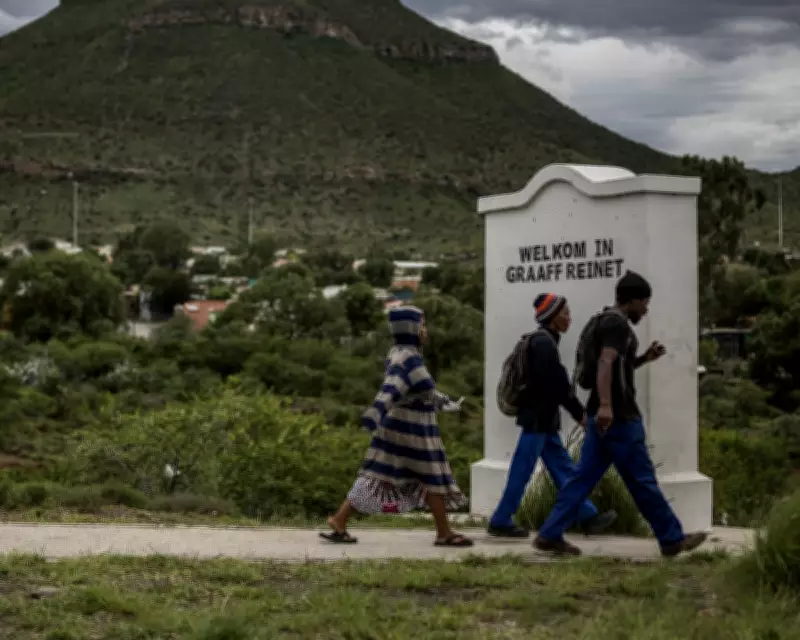
A South African town is embroiled in a heated controversy over its proposed name change from Graaff-Reinet to Robert Sobukwe, honouring the anti-apartheid activist. This decision, approved by Sports, Arts and Culture Minister Gayton McKenzie on February 6, has inflamed racial tensions, leading to petitions, rival marches, and a formal complaint letter from residents.
Deep Divisions Over Colonial Legacy and Transformation
On one side, many residents express a strong attachment to Graaff-Reinet, a name dating back to 1786 when it was named after Dutch governor Cornelis Jacob van de Graaff and his wife Hester Cornelia Reynet. They argue that the name has become an integral part of their identity, transcending its colonial origins to benefit the local economy and community cohesion.
Conversely, supporters of the change insist that renaming the town after Robert Sobukwe, who was born and buried there, is a crucial step in South Africa's transformation away from colonialism and apartheid. Sobukwe, who left the African National Congress to found the Pan Africanist Congress in 1959, led protests against pass laws, culminating in the Sharpeville massacre in 1960.

Survey Reveals Overwhelming Opposition
A survey conducted in December 2023 found that 83.6% of the town's residents oppose the name change. The breakdown shows 92.9% of Coloured people and 98.5% of white people against it, while only a third of Black residents support the change. The survey, which included 367 randomly selected respondents, highlighted that 54% were Coloured, 27.2% Black, and 18.8% white.
Professor Ronnie Donaldson of Stellenbosch University noted that many residents fear the change would erase their identity as 'Graaff-Reinetters'. Laughton Hoffman, a Coloured and Khoi-San community leader, warned that the renaming could harm tourism in the town of about 51,000 people, known for its elegant Cape Dutch buildings.
Legal and Social Challenges Amplify Tensions
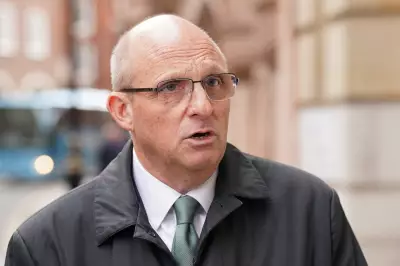
Derek Light, a lawyer who filed the complaint, argued that the public consultation process was flawed and did not follow legal procedures, calling it a 'faux process'. He lamented that the name change has disrupted the town's peace, though others, like Athe Singeni of the Robert Sobukwe Steering Committee, countered that racial issues have always existed subtly.
Nomandla Singeni emphasised the importance of honouring Black leaders whose contributions have been historically erased, despite vandalism to Sobukwe's grave earlier this month. In uMasizakhe township, residents like Mzoxolo Nkhomo expressed support, viewing Sobukwe as a freedom fighter.
Broader Context of Placename Changes in South Africa
Between 2000 and 2024, South Africa has changed over 1,500 placenames, including more than 400 post offices, 144 rivers, and seven airports, with Port Elizabeth becoming Gqeberha in 2021. The Department of Sports, Arts and Culture stated that these changes aim to redress colonial and apartheid-era legacies and advance restorative justice.
However, Mangaliso Tsepo Sobukwe, grandson of Robert Sobukwe, criticised politicians for instrumentalising placename changes, noting that the ANC has historically suppressed his grandfather's legacy. He expressed happiness at the honour despite expecting backlash.
This debate underscores ongoing struggles with identity, history, and racial reconciliation in South Africa, as communities grapple with the complexities of post-colonial transformation.