The Dawn of Ramadan: A Global Spiritual Journey
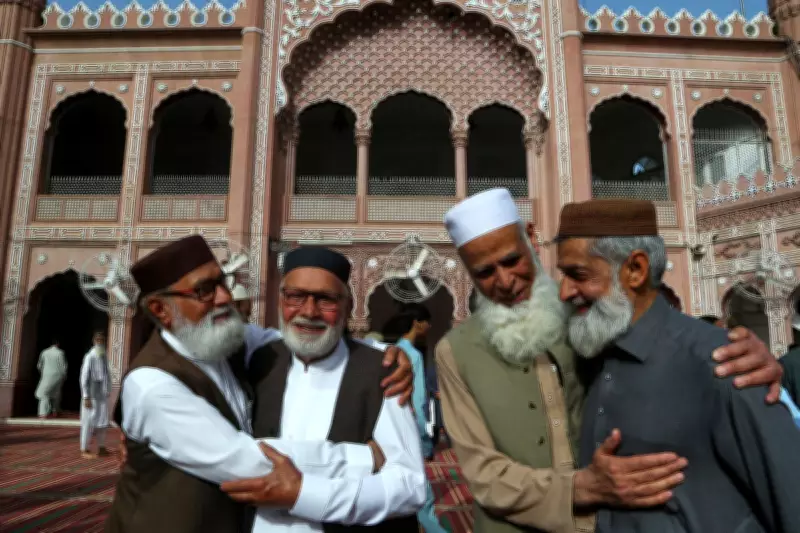
Observant Muslims across the globe are preparing to unite in the sacred ritual of daily fasting from dawn to sunset as the Islamic holy month of Ramadan commences. This period represents far more than abstention from food and drink; it is a profound time for increased worship, deep religious reflection, and generous acts of charity. Socially, Ramadan frequently transforms into a season of joyous connection, bringing families and friends together in festive gatherings to break their daily fasts with shared meals.
Timing and Lunar Determination
Ramadan is the ninth month of the Islamic lunar calendar, a system that causes the month to cycle through different seasons each year. The commencement traditionally hinges on the sighting of the crescent moon. For 2026, the first day of Ramadan is anticipated to fall on or around February 18 or 19. However, the precise start date may vary between countries and Muslim communities. This variation stems from declarations by multiple Islamic authorities worldwide regarding the moon sighting or differing methodologies used to calculate the beginning of the lunar month.
Notably, this year Ramadan is expected to begin around the same time as Ash Wednesday, the solemn day of fasting and reflection that marks the start of Lent for Catholics and many other Christians, creating a parallel period of spiritual observance across faiths.

The Pillar of Fasting and Its Significance
Fasting during Ramadan constitutes one of the Five Pillars of Islam, fundamental acts of worship that also include the profession of faith, prayer, almsgiving, and pilgrimage. For Muslims, the fast carries multiple layers of meaning and lessons. It is regarded as an act of worship to cultivate piety and demonstrate submission to God. The devout perceive numerous spiritual benefits, including the practice of self-restraint, the cultivation of gratitude, and the development of empathy for those who experience poverty and hunger.
The daily fast requires abstaining from all food and drink—including water—from dawn until sunset. The fast is then broken with a meal known as iftar. This period also sees increased religious activity, with many Muslims attending congregational prayers at mosques, dedicating more time to reading the Quran, and engaging in personal religious contemplation.
Charity and Community Spirit
Charitable giving is a hallmark of Ramadan. Beyond standard almsgiving, many Muslims focus on providing iftar for those in need. This can involve distributing Ramadan boxes filled with essential pantry items, handing out warm meals accompanied by traditional items like dates and juice, or organizing free communal meals. The predawn meal, known as suhoor, is consumed to hydrate and nourish the body before the day's fast begins.
It is important to note that Islam provides exemptions from fasting for those who are ill, traveling, or otherwise unable to participate. Individuals in these temporary situations are required to make up the missed days of fasting at a later time.
Cultural Traditions and Social Rituals
The global Muslim community is ethnically and racially diverse, and not all Ramadan traditions are strictly religious in origin. Many social rituals revolve around gathering and socializing after the daily fast. Customs vary widely, with some transcending borders and others being unique to specific cultures.
In Egypt, Ramadan is typically a festive occasion marked by colorful lanterns of various shapes and sizes, adorning homes and carried by children. Traditional Ramadan songs welcome the month, and the soundscape historically includes the predawn drumming of the mesaharati, who roams neighborhoods to wake the faithful for suhoor.
In some countries, a lineup of new television series becomes a social fixture, with advertisers competing for viewers' attention. While some Muslims express concern about the commercialization of the month, fearing decorations, TV shows, and lavish banquets may detract from its religious essence, others believe a balance can be struck, viewing such elements as part of the month's festive spirit when enjoyed in moderation.

Diverse Regional Observances
Indonesia showcases the rich diversity of Ramadan rituals. In the deeply conservative Aceh province, the Meugang festivities involve slaughtering animals, with the cooked meat shared among family, friends, and the less fortunate. In Tangerang, outside Jakarta, hundreds participate in a symbolic spiritual cleansing by washing their hair with rice straw shampoo in the Cisadane River. Across Sumatra, after evening prayers, children often parade through streets carrying torches and playing Islamic songs.
In the United States, where Muslims form a racially and ethnically diverse minority, gathering at mosques and Islamic centers for iftar meals and prayers fosters a strong sense of community. Many also organize or attend interfaith iftar meals, promoting dialogue and understanding.
Ramadan culminates in the celebration of Eid al-Fitr, a joyous Islamic holiday marking the end of the fasting month. This global observance, rooted in faith yet expressed through diverse cultural practices, continues to unite millions in a shared journey of spiritual renewal and communal solidarity.