President Tinubu's Wedding Attendance Sparks Criticism Amid National Violence
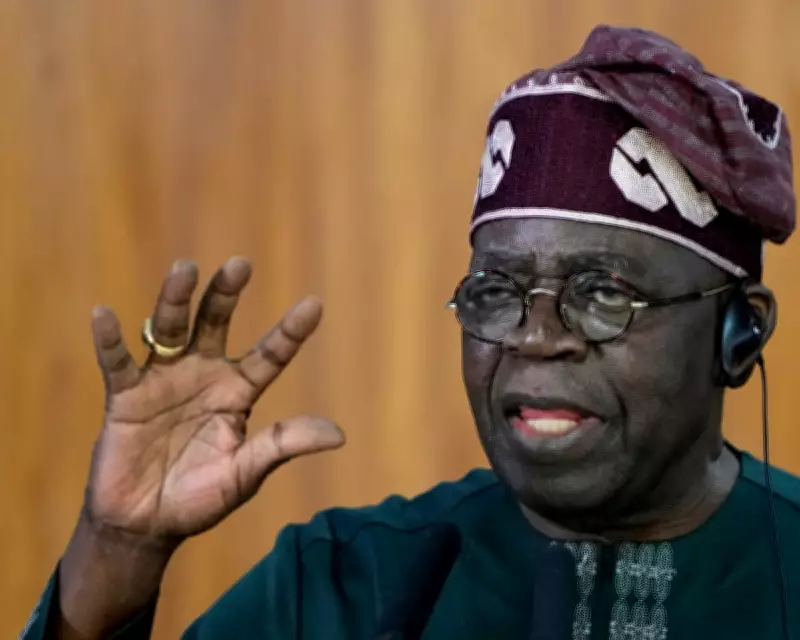
Nigeria's President Bola Tinubu attended a lavish wedding celebration in Abuja this month, even as the nation grappled with a deepening security crisis marked by mass killings and kidnappings. The event, described as the "wedding of the year," featured an opulent six-day celebration for the children of Junior Defence Minister Bello Matawalle, drawing sharp criticism from analysts and citizens alike.
A Stark Contrast in Priorities
The wedding's guest list read like a who's who of Nigeria's political and business elite. President Tinubu shared space with Africa's richest man Aliko Dangote, the president of São Tomé and Príncipe, and more than a dozen serving and former governors and ministers. The maximalist decor included cascading crystal chandeliers above mirrored floors, with five vendors contracted solely to serve non-alcoholic drinks.
Meanwhile, approximately 190 miles away in Benue state, gunmen stormed a Catholic church night vigil, abducting nine teenagers who remain in captivity with their kidnappers demanding 30 million naira (£16,500) for their release. In Kwara state, near the border with Benin, a mass funeral was underway for more than 150 people murdered by jihadists just four days earlier.

Delayed Government Response
President Tinubu dispatched an army battalion to Kwara following the attacks, but it wasn't until February 7th—four days after the massacre—that Vice-President Kashim Shettima visited the area. Shettima had also attended the Abuja wedding, creating what analysts described as "terrible optics" for a government facing multiple security crises.
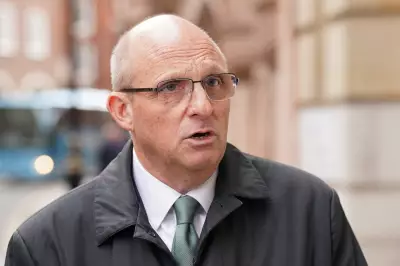
Confidence McHarry, a senior analyst at Nigerian risk consultancy SBM Intelligence, called the large political turnout "tone deaf," while Joachim MacEbong of Control Risks noted that "Nigeria's elite prefer to bolster their political standing by fraternising with each other first, before attending to the needs of Nigerians."
Political Calculations and Security Failures
Analysts suggest Tinubu's presence at the wedding should be viewed in the context of his attempts to court Nigeria's northern establishment ahead of upcoming elections. While his economic reforms have earned praise from foreign institutions and investors, benefits have yet to trickle down to ordinary Nigerians, particularly in the north where he remains unpopular.
"Tinubu as a president is not somebody who is going to do something for you without gaining in terms of political capital," McHarry explained. "He understands the fact that the northern elite do not like him as president. And because of the election... he needs Matawalle."
Ongoing Violence and Government Inaction
In Kwara, villagers reported receiving no help during the 10-hour killing spree. "We did not see anybody from when it started in the evening till the morning when it ended," said farmer Iliyaus Ibrahim, who lost his brother and whose pregnant sister-in-law was kidnapped along with her two children.
The violence has continued unabated. On February 18th, police reported at least 33 people killed when Islamic militants launched simultaneous attacks on the Biu community in Kebbi state. The following day, armed men killed at least 38 people in Zamfara state's Dutse Dan Ajiya village, with local legislators blaming bandits for the massacre.
Broken Promises and Eroding Confidence
During his 2019 campaign, Tinubu's team ran on the slogan "Renewed Hope," promising to tackle insecurity and deliver prosperity. Analysts note that Nigeria's most vulnerable citizens have yet to see marked improvement on either front, and a growing sense of neglect could further erode public confidence in government institutions.
MacEbong suggested the president should "brief the nation on progress made since he declared a state of emergency on security on 26 November. It is approaching three months since then. An update would be in order."
The wedding celebration has become a symbol of the disconnect between Nigeria's political elite and ordinary citizens suffering through one of the country's worst security crises in recent memory.