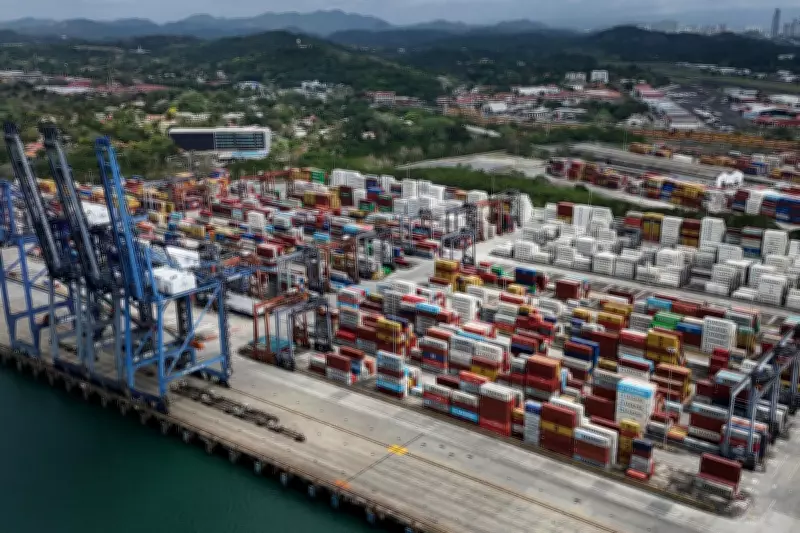
Panamanian investigators have executed a significant operation, removing documents from the offices of a Hong Kong-owned company that previously operated ports at both ends of the Panama Canal. This action follows last month's Supreme Court ruling that declared the company's concession unconstitutional, marking a dramatic escalation in the ongoing legal and political dispute.
Documents Seized in Multi-Agency Raid
On Thursday, investigators carried out coordinated visits to three offices of the Panama Ports Company located in Panama City. Public prosecutor Azael Samaniego, representing the anti-corruption office, confirmed the operation to local media outlets. The investigation involved multiple agencies, including the Panama Maritime Authority and investigators from the National Directorate of Judicial Investigation, indicating the seriousness of the probe.
Early Stages of Criminal Investigation
Samaniego revealed that his office possesses information suggesting the possible commission of a crime, though he declined to specify the exact nature of the alleged offense. He emphasized that the investigation remains in its preliminary stages, with no formal charges yet filed. The Panama Ports Company, which is the local subsidiary of Hong Kong-based conglomerate CK Hutchison, has not responded to requests for comment regarding the raid.

Ports Seized Following Court Ruling
This document seizure comes just days after the Maritime Authority took control of the Balboa and Cristobal ports from the Panama Ports Company. The company has consistently rejected the Supreme Court's ruling, while the Chinese government has accused Panama's administration of yielding to pressure from the United States. These ports have been operated by the company since 1997, making this a significant disruption to long-standing operations.
Geopolitical Tensions Underlying Dispute
The legal battle has become entangled in broader geopolitical competition between the United States and China for influence in the region. During the Trump administration, U.S. officials objected strongly to Chinese control of these strategic ports, even accusing China of effectively running the Panama Canal—an allegation both Panama and China have vehemently denied. This investigation therefore represents not just a domestic legal matter, but a flashpoint in international relations.
Panamanian law enforcement agencies have also remained silent about the ongoing investigation, leaving many questions unanswered about the specific allegations and potential outcomes. The situation continues to develop as investigators examine the seized documents and the company navigates the aftermath of losing its lucrative port concessions.