Newly Discovered Photographs Expose the Brutal Reality of Nazi Massacre in Athens
Chilling new evidence has emerged detailing one of the most infamous atrocities committed during the Nazi occupation of Greece. The Kaisariani massacre, where 200 Greek prisoners were executed on May 1, 1944, has been brought into sharper focus through previously unseen photographs and harrowing eyewitness testimony.
A Retaliatory Execution of Unimaginable Brutality
The massacre was a direct retaliation for the killing of Nazi General Franz Krech and three of his staff officers by Communist guerrilla fighters four days earlier. Nazi occupation authorities rounded up 200 communists and brought them to a firing range in the Athens suburb of Kaisariani. What followed was a systematic slaughter that left blood flowing through the streets.
Giorgos Sideris, a reserve member of the Greek People's Liberation Army (ELAS), witnessed the massacre from a neighbouring hill. He described seeing men being "herded like lambs" into the execution area and slaughtered in batches. "At first, they were not lined up in a row. They were herded like lambs into the area and slaughtered," Sideris recounted.
Methodical Execution and Burial of the Living
After the first two batches, Nazi officers changed tactics, lining prisoners up in rows of fifteen for more efficient execution. As men were killed, surviving prisoners were forced to load their dead comrades' bodies into vehicles before being executed themselves—a sickening process repeated ten times until no prisoners remained.
The horror continued at the cemetery where undertakers were ordered to dig 200 graves. According to one worker, many of those being buried were still alive. "At one point I heard slight groans. But the Germans, with their weapons and their wild voices, were pushing us, beating us and forcing us to work in a hurry to finish the burial quickly," the worker reported.
Photographic Evidence Emerges After Decades
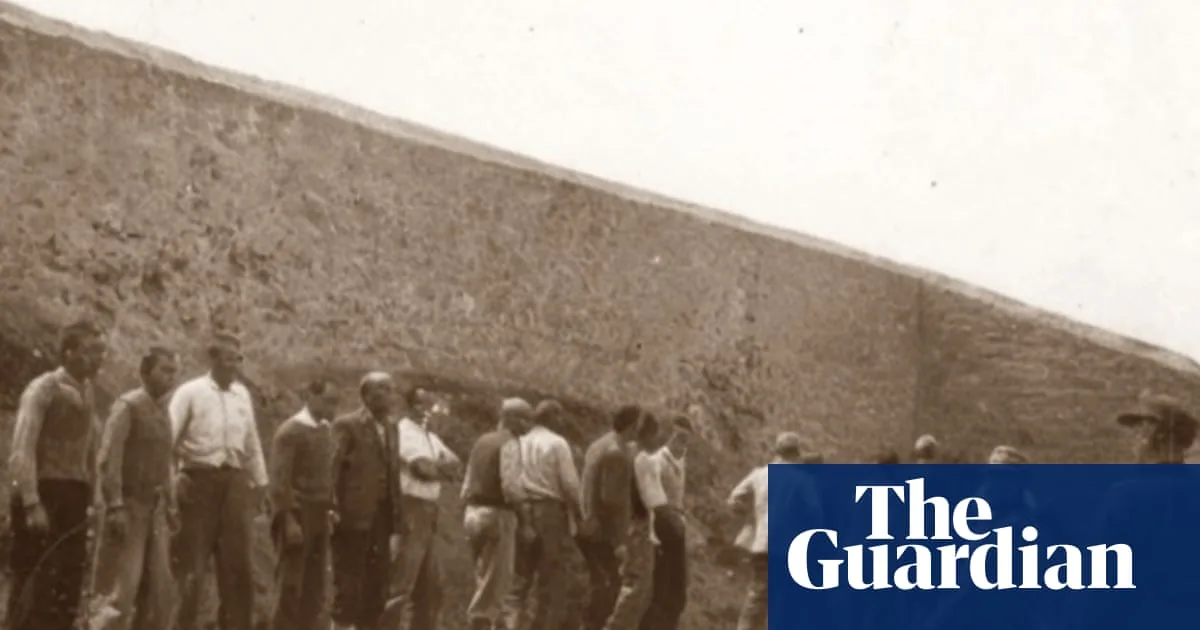
Although the executions were well-documented historically, no photographic evidence had been known to exist until recently. Archivists have now released images showing groups of men being marched to the shooting range and lined up against walls moments before their execution.
The photographs, listed for auction on eBay by a collector of Third Reich memorabilia, are believed to have come from the personal album of German lieutenant Hermann Heuer. Guenther Heysing, a journalist attached to Nazi propaganda minister Joseph Goebbels's unit, is "highly likely" to have taken the pictures, according to experts.
Personal Tragedies and Final Messages
The human cost of the massacre became painfully clear as relatives searched through clothing collected from the executed men. Greek writer Ioanna Tsatsou documented how one mother recognized her son's jacket and began to weep, only to find items belonging to her younger son before fainting from the shock.
Many prisoners managed to leave final messages. One man carved into his wooden leg: "Notify my widowed mother... that I am dying for our Greece." These personal testaments add profound emotional weight to the historical record.
Historical Context of Nazi Occupation
The Kaisariani massacre occurred during the three-year Axis occupation of Greece between 1941 and 1944, a period marked by numerous atrocities against civilians and the decimation of Greece's Jewish community. More than 40,000 people are believed to have starved to death in Athens alone during this period.
The Communist-led Greek People's Liberation Army (ELAS) was among the most active resistance organizations in occupied Europe, though many communists had already faced persecution during anti-Communist raids by the police of Greek dictator Ioannis Metaxas prior to the occupation.
The Greek Ministry of Culture has stated it is "highly likely that these are authentic photographs," providing visual confirmation of an event that has haunted Greek historical memory for generations. These newly revealed images and testimonies ensure that the victims of the Kaisariani massacre will not be forgotten.