Belgian Auction of Nazi Execution Photos Sparks Greek Historical Recovery
Nazi Execution Photos Recovered by Greece After Belgian Auction

In a remarkable historical development, a Belgian collector specializing in Third Reich memorabilia listed for auction a series of photographs depicting the final moments of 200 Greek resistance fighters executed by a Nazi firing squad. The images, which capture the May Day 1944 executions at the Kaisariani shooting range in Athens, have now been withdrawn from sale following a preliminary agreement with the Greek culture ministry.

Visual Evidence of a Haunting Tragedy

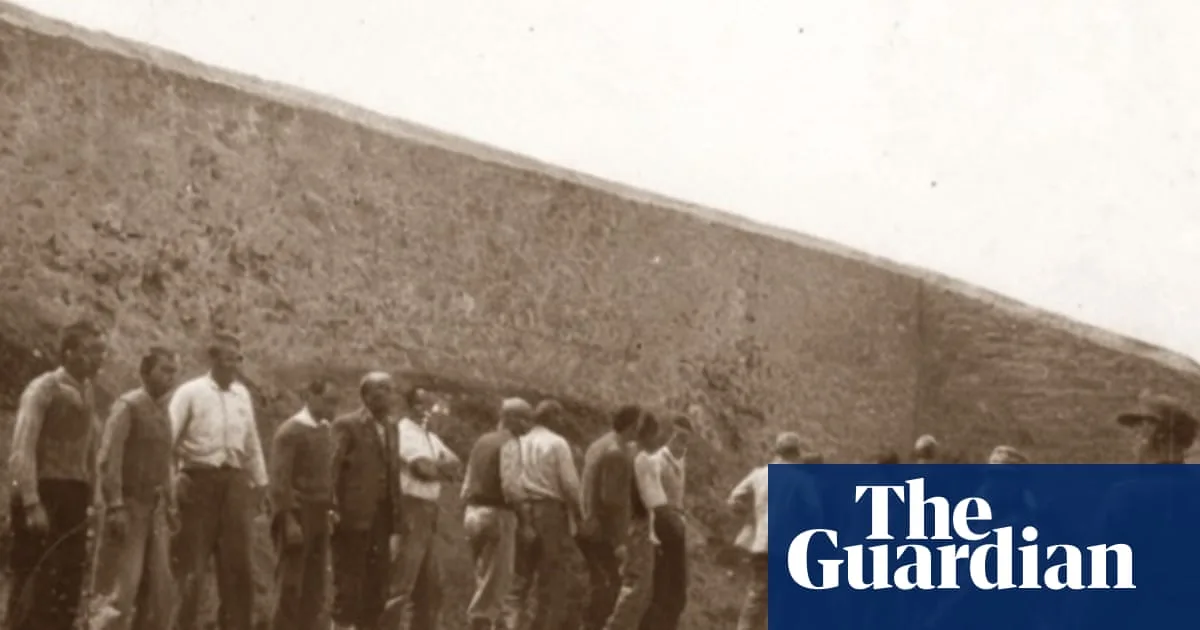
For decades, the story of the 200 communists executed in retaliation for an attack on a German general rested on handwritten notes thrown from trucks and oral testimonies. The photographs, believed to have been taken by Wehrmacht lieutenant Hermann Heuer, provide the first pictorial evidence of this pivotal moment in Greece's World War II history. Vangelis Sakkatos, 96, who lived through the Nazi occupation, expressed profound emotion at finally being able to "put a face" to the protagonists of this tragedy.

Unflinching Courage Captured on Film

The images show the men walking into the firing range with their heads held high, staring seemingly unafraid into the camera. Historical accounts indicate they went to their deaths chanting partisan songs in a final act of defiance. "That is what we have always heard," said Sakkatos, who for years lobbied for a monument in their honor. "And now we can see that courage before our eyes."

The collection, thought to include 262 photographs, bears handwritten notes reading "Aten 1.5.44" – the date of the massacre. Greek culture minister Lina Mendoni described the prints as "a monument of exceptional historical importance" that allows Greece to frame the drama of occupation through the eyes of the occupier.

Historical Significance and National Memory

The May Day executions represent a defining moment in Greece's collective memory of German occupation, inspiring generations of poets, songwriters, painters and filmmakers. For years, commemoration of such events was prohibited, with the communist KKE party deemed illegal and access to sites like the Kaisariani firing range restricted until the collapse of military dictatorship in 1974.

Opening Space for Necessary Debate

Greek historians have welcomed the photographs as exceptional, noting they will not only aid research into Nazi-era atrocities but also "open up the space" for further discussion about the bloody 1946-49 civil war that followed liberation. Professor Kostis Karpozilos of Panteion University in Athens stated: "These images will open up the space for much-needed debate around the politics of memory in contemporary Greece."

In recent days, relatives recognizing ancestors in the photographs have come forward demanding proper acknowledgment of this traumatic period. The emotional response has been overwhelming, with the memorial site at Kaisariani covered in red carnations as visitors pay their respects.

Controversy and Vandalism

Indicative of ongoing divisions, the marble plaque commemorating the 200 executed resistance fighters was vandalized and smashed by far-right elements within hours of the photographs coming to light. This act of destruction highlights the continuing political tensions surrounding Greece's wartime history and the role of leftist resistance.

Return to Public Display

Anastasis Gkikas of the communist party's history department reported being inundated with calls from descendants requesting the photographs be returned to Greece for public display. "This is where they belong," he emphasized, "and this is where they should be put on public display for all to see."

The recovery of these photographs represents more than just the acquisition of historical artifacts – it marks a significant moment in Greece's ongoing reconciliation with its complex past and the proper honoring of those who resisted Nazi occupation with extraordinary courage.