From Colonial Enclave to Community Hub: Nairobi's Library Restoration
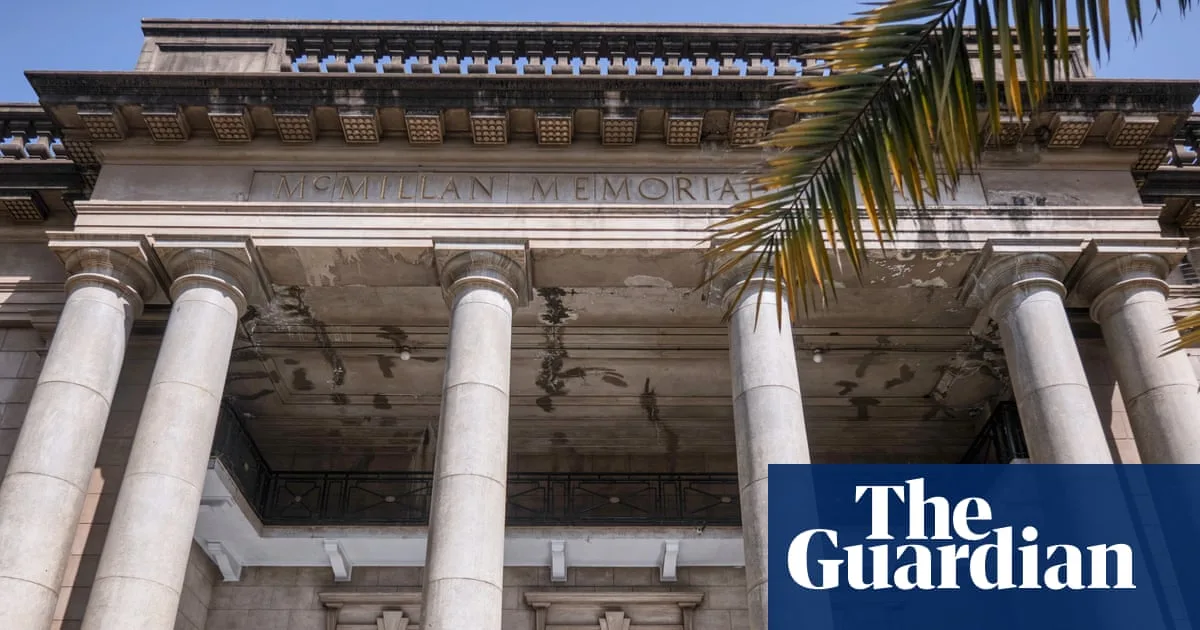
The grand McMillan Memorial Library in Nairobi, a neoclassical building with a colonial past, has undergone a remarkable transformation. Once a whites-only space, it is now one of three libraries in the Kenyan capital being restored by the Book Bunk project to serve the community. This initiative, led by publisher Angela Wachuka and writer Wanjiru Koinange, aims to demystify libraries and turn them into vibrant, inclusive spaces.
Uncovering History in the Basement
Down a steep, narrow staircase in the library's basement, more than 100 enormous, dust-covered bound volumes of newspapers, council meeting minutes, and photographic negatives dating back over a century lie preserved. "Here lie some of the minute-by-minute recorded debates from the time British colonial powers ruled Nairobi, when it was a segregated city," says Angela Wachuka. The building, protected by an act of parliament, was built by Lucie McMillan in memory of her husband, Sir William Northrup McMillan, an American-born settler, and inaugurated in 1931 as a racially segregated space until 1958.
The Birth of Book Bunk
Wachuka and Koinange first entered the McMillan library while searching for a venue for the Kwani? literary festival, now Kenya's most significant literary event. Inspired by the building's potential, they founded Book Bunk, a project dedicated to restoring neglected libraries. Their journey has been documented in the film How to Build a Library by Kenyan film-makers Maia Lekow and Christopher King, which follows the restoration of three libraries: McMillan, Kaloleni, and Makadara.
Restoring Libraries with Purpose
Kaloleni Library, built by Italian prisoners in the 1940s and later home to the King's African Rifles, holds symbolic importance in Kenya's independence movement. Its restoration was completed in 2020, and it now primarily serves children. Makadara Library, located in the eastern suburbs, has also been revitalized. Book Bunk's work extends beyond physical restoration, with both libraries hosting workshops, dance, art, music classes, and computer literacy sessions, while creating around 10 jobs and involving local people in programming.
Demystifying Libraries for All
"The goal has been to demystify libraries and turn them into spaces that are huge multipliers of what's possible," Wachuka explains. The project has added 23,000 new titles to McMillan's shelves and catalogued over 250,000 books. Daily visitor numbers have increased by 250%, and parents report improvements in their children's confidence, school performance, and behavior. Veronica Nderitu, who has worked with the project for three years, notes that mothers now see the libraries as safe, supportive spaces for education, with free wifi and computers.
Preserving Heritage and Amplifying African Voices
Despite challenges due to McMillan's parliamentary protection status, which lengthened the restoration timeline, Wachuka says it allowed for deeper heritage conservation efforts. Since 2017, Book Bunk has digitized tens of thousands of documents, produced a podcast on the library's history, mapped 356 libraries across Kenya, and organized annual fundraising galas. Miriam Maranga Musonye, chair of the University of Nairobi's literature department, emphasizes the importance of centering African authors and voices to foster self-understanding and address historical gaps.
A Vision for Inclusive Spaces
Wachuka reflects on the building's historical value as a time capsule from the 1930s, but expresses a desire for greater inclusivity and a nod to contemporary Kenya. "I'd love that feeling to be more inclusive," she says, highlighting the project's focus on strengthening the African section of the collection, which has been historically neglected. Through these efforts, Book Bunk is not only restoring libraries but also building a legacy of literacy and community empowerment in Nairobi.