Myanmar's New Parliament to Convene Next Month Amid Civil War and Criticism
Myanmar's newly elected parliament is set to convene for its first session next month, according to state-run media reports on Tuesday. This development follows an election that critics have denounced as neither free nor fair, casting a shadow over the legitimacy of the process.
First Session in Over Five Years
The session, scheduled for March 16, marks the first parliamentary meeting in more than five years since the military seized power in 2021. The takeover ousted the elected government led by Aung San Suu Kyi, plunging the country into widespread unrest and armed resistance that has since evolved into a full-scale civil war.
Phased elections were held in December and January across 263 of Myanmar's 330 townships. The army-backed Union Solidarity and Development Party (USDP) secured a majority of the seats. Notably, the former ruling National League for Democracy and other parties declined to participate, citing unfair conditions.

Military Government's Democratic Claims
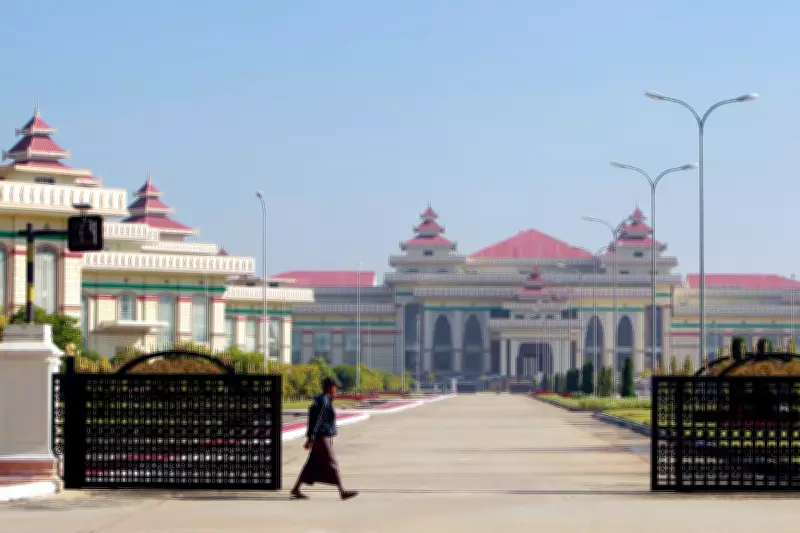
The military government has presented the vote as a step toward restoring democracy. However, critics argue that the polls were strategically designed to legitimise the military's power after Suu Kyi's ouster in February 2021. The state-run Myanma Alinn newspaper detailed that the 440-seat lower house will begin its session on March 16, with the 224-seat upper house convening two days later in the capital, Naypyitaw. Additionally, the 14 regional chambers will meet on March 20, as per a separate announcement.
Limited Transition to Civilian Rule
While the two-chamber legislature is theoretically expected to replace the current ruling military government, the process is unlikely to signal a genuine transition to full civilian rule. The military and its allies hold most seats in both houses, ensuring continued army control. According to the Union Election Commission, the USDP won 339 of the total 586 seats in the two-chamber parliament. Combined with the military's automatic allocation of 166 seats under the constitution, they command 505 seats—more than 86% of the legislature. Twenty-one other parties won between one and 20 seats each.
Key Tasks and Leadership Questions
The new parliament's initial tasks will include electing a speaker for each house, followed by selecting a president and two vice presidents. Senior General Min Aung Hlaing, the current head of the military government, is widely anticipated to assume the presidency. However, the constitution prohibits a president from simultaneously serving as the army's commander-in-chief, Myanmar's most powerful position. This raises significant questions about whether he will relinquish that role.
Aung San Suu Kyi, Myanmar's 80-year-old former leader, is serving a 27-year prison term on charges widely viewed as spurious and politically motivated. Her party, which achieved landslide victories in the 2020 and 2015 elections, was forced to dissolve in 2023 after refusing to register under new military rules.