Myanmar Parliament Approves Cabinet Dominated by Former Military Figures
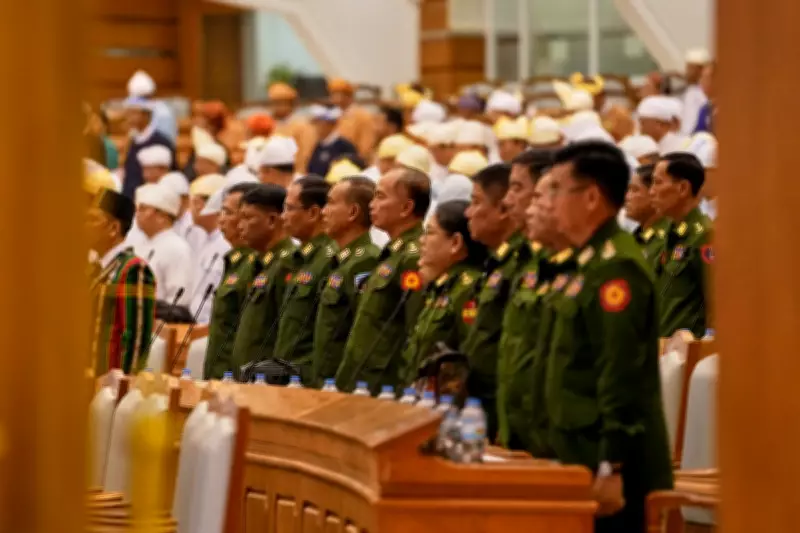
Myanmar's parliament has given its approval to a new cabinet that is overwhelmingly composed of former generals and holdovers from the previous military-led government under Min Aung Hlaing. This development comes despite the formation of a new government following controversial elections held in December and January, with little indication of a return to civilian governance five years after the 2021 army takeover.
Swearing-In Ceremony and Parliamentary Approval
Min Aung Hlaing is scheduled to be sworn into office as president on Friday, alongside two vice presidents and the newly appointed cabinet members. Parliament Speaker Aung Lin Dwe confirmed that the appointments of 30 ministers were approved without any objections, signaling a smooth parliamentary process.
Composition of the Cabinet
According to the official list released by the government, the cabinet includes:

- 24 individuals who are current or former generals, military officers, or lawmakers from the military-backed Union Solidarity and Development Party.
- 18 ministers who served as cabinet members in the previous military government.
- 4 others who held positions as military and government officials under the same administration.
This composition highlights the continued dominance of military figures in Myanmar's political landscape, raising concerns about the prospects for democratic transition.
International Sanctions and Criticism
Several of the appointed ministers have been sanctioned by foreign governments, which have accused them of supporting and serving in the military government or violating human rights. This international scrutiny adds to the challenges facing Myanmar's new administration as it seeks to navigate global relations.
Judicial Appointments and Regional Response
In addition to the cabinet, parliament has reappointed key judicial figures, including the chairman of the constitutional tribunal, the attorney general, and judges of the Supreme Court. These appointments further consolidate the military's influence across branches of government.
The Association of Southeast Asian Nations (ASEAN) is among the external groups that have not recognized Myanmar's elections. This stance stems from the exclusion of most opposition groups, tight restrictions on dissent, and the inability to conduct voting in some areas due to the ongoing civil war. The regional body's position underscores the broader international skepticism regarding the legitimacy of Myanmar's political processes.
Implications for Governance and Civilian Rule
The approval of this cabinet reinforces the military's grip on power, with minimal signs of a shift toward civilian governance. The ongoing civil war and restricted electoral conditions have exacerbated political tensions, leaving many to question the future of democracy in Myanmar. As Min Aung Hlaing prepares to assume the presidency, the international community watches closely, weighing the implications for human rights and regional stability.