Kurdish Charcoal Workers Persist in Mountain Village Amid Regional Conflict
Kurdish Charcoal Workers Persist Amid Iran War

As conflict intensifies in Iran, daily life persists just across the border in the mountainous Kurdistan region of northeastern Iraq. In the serene village of Sarkand, Kurdish labourers maintain the centuries-old practice of charcoal production along a meandering river that flows past remote rural settlements.

Traditional Methods Amid Modern Turmoil

Workers meticulously stack hardwood logs and seal them inside earthen pits, where the wood slowly burns into charcoal over several days. Using shovels, they carefully turn the dark, rich soil surrounding the pits as plumes of smoke escape through small ventilation holes. This labour-intensive process continues uninterrupted, providing a stark contrast to the violent upheaval occurring nearby.

Faith and Work During Ramadan

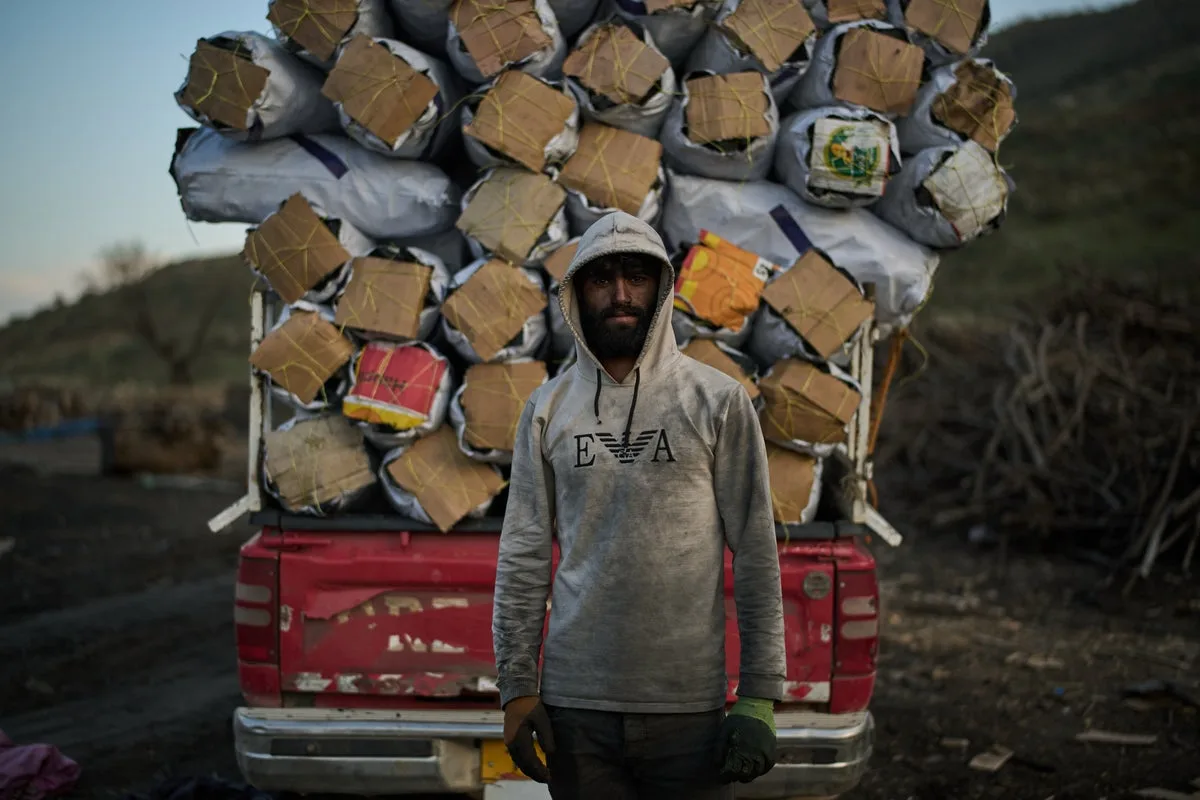
During their breaks, many workers pause to observe Islamic prayers while fasting during the holy month of Ramadan. One man kneels in prayer on a large rock in the middle of the river, while another completes his ablutions by washing his feet, face and hands before praying beside a vehicle recently loaded with sacks of finished charcoal.

Student Worker Voices Concerns

Among the charcoal producers is Zana, a 22-year-old student from Koya University who smiles warmly and requests to pose for photographs. Educational institutions throughout the Kurdistan region have remained closed since the outbreak of war between the United States, Israel and Iran.

"I'm afraid of the rockets and drones, but I need to work," Zana explains. "From Brazil to anywhere in the world, whether in the U.S. or here, war is not good for anyone." His words underscore the universal human desire for peace amid geopolitical conflict.

Continuity in Uncertain Times

The charcoal workers of Sarkand represent a microcosm of resilience, maintaining cultural traditions and economic activities despite regional instability. Their dedication to both their craft and their faith during Ramadan highlights the enduring human capacity to find normalcy and purpose even as war unfolds mere kilometres away.