Israeli Strikes Kill 254, Injure 1,160 in Lebanon After Netanyahu Rejects Ceasefire
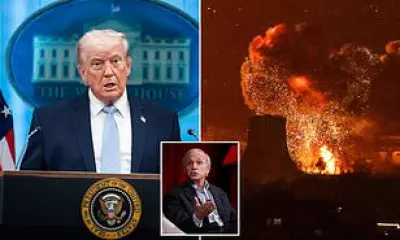
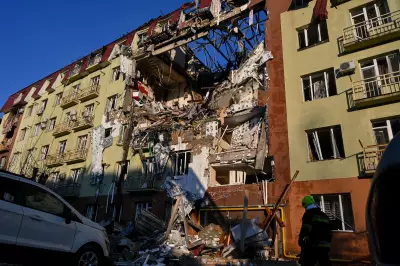
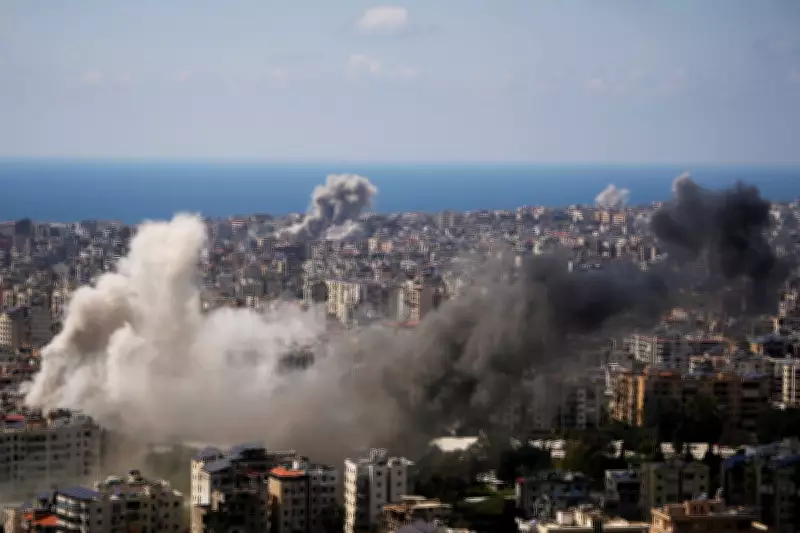
Israel has launched its largest wave of strikes on Lebanon, resulting in at least 254 deaths and 1,160 injuries across the country, according to Lebanon's civil defence. The bombardment occurred just hours after Pakistan announced a two-week truce between the United States and Iran, which was initially believed to include Lebanon.
Netanyahu Contradicts Truce, Vows Continued Operations
Israeli Prime Minister Benjamin Netanyahu directly contradicted the truce, stating it did not apply to Lebanon and vowing to continue military operations against Hezbollah. This declaration set the stage for the devastating attacks that followed, with witnesses describing a "ring of fire" and an "absolute massacre" as explosions rocked multiple areas.
Hospitals Overwhelmed, Civilian Casualties Mount
Hospitals throughout Lebanon were overwhelmed by casualties, with many of the injured and dead reported to be civilians caught in the crossfire. The scale of the destruction has raised serious humanitarian concerns, as medical facilities struggle to cope with the influx of patients requiring urgent care.

UN Human Rights Chief Condemns "Horrific" Timing
UN human rights chief Volker Türk has strongly condemned the scale of killing and destruction, calling it "horrific" and questioning the timing so soon after a ceasefire agreement was announced. Türk emphasized the disproportionate impact on civilian populations and called for immediate de-escalation to prevent further loss of life.
Ceasefire Confusion and Regional Implications
The confusion surrounding the ceasefire agreement has exacerbated tensions in the region. While the truce between the US and Iran was meant to provide a brief respite, Netanyahu's explicit rejection of its application to Lebanon demonstrates the complex and fragmented nature of diplomatic efforts in the Middle East. The strikes represent a significant escalation in the ongoing conflict between Israel and Hezbollah, with potential ramifications for regional stability.
As the international community reacts to the tragedy, questions remain about the long-term consequences of this military action and whether diplomatic channels can be reopened to prevent further violence. The human cost of the strikes, with hundreds dead and thousands injured, underscores the urgent need for a sustainable peace process.