Iranians Face Impossible Choice Between War and Tyranny Amid Escalating Conflict
Iranians' Impossible Choice: War or Tyranny in Homeland Crisis

Iranians Worldwide Confront Impossible Choice Between War and Tyranny

As military conflict escalates dramatically between Iran and the United States, being Iranian today – whether residing inside the country or scattered across the global diaspora – means living with constant emotional calculation and confronting the same terrible question: what future remains for their homeland? The situation has reached a critical juncture following Iran's appointment of a new supreme leader after Ayatollah Khamenei was killed during the ongoing US-Iran war.

A Personal Connection to a Changing Homeland

My parents originally grew up in Iran before relocating to the United Kingdom for educational opportunities. Their initial plan was always temporary: complete studies in London, then return home to build their lives there. However, the seismic events of the 1979 revolution fundamentally altered everything, ultimately leading them to settle permanently in the UK – what they later described as a stroke of "luck." This meant they avoided being trapped in the turbulent aftermath of that revolution, but it also meant building a life far removed from their extended family network.

For me, childhood involved annual visits to Iran until I reached twenty-three years old. These trips featured hot Tehran summers, vibrant family gatherings known as "mehmoonis," countless cousins, abundant food, joyful noise – but also significant restrictions and periods of boredom. During those years, my siblings and I were considered the "glamorous" cousins, arriving from London with suitcases packed with Topshop clothing, innovative skincare products, and makeup trends that hadn't yet reached Tehran's shops.

I vividly remember concealing DVD cases within my clothing and returning home with only a faint tan after six weeks of meticulously covering up whenever we ventured outside. I have walked Iranian streets, covered my hair in August's intense heat, and applied my headscarf immediately upon landing, even before disembarking from the aircraft. I have purchased VPNs to access ordinary websites and maintain contact with friends back home – before that, there were the small internet cards people scratched to reveal connection codes.

Cultural Experiences and Growing Distance

I have witnessed phone lines and internet connections vanish without warning, been instructed to speak English rather than Persian in heavily policed areas, and heard "Allahu Akbar" echoing from rooftops during protest movements. I have flown Iran Air and consumed what might still be the finest economy-class meal I've ever experienced: succulent chicken kebab with rice or flavorful baghali polo with tender lamb.

I have enjoyed late-night coffees in serene garden cafés – something Britain still hasn't quite perfected, especially now that many people abstain from alcohol. I have eaten dizi from traditional clay pots and savored chelow kebab more times than I can possibly count. I have jumped over ceremonial fires during Chaharshanbe Suri – the Persian New Year ritual that fills streets with brilliant sparks and communal laughter.

I have visited mountain resorts that feel worlds apart from Val Thorens in the Alps and eaten exquisite shishlik lamb chops in Torgabeh near Mashhad – truly heavenly culinary experiences. Yet my relationship with Iran has never been straightforward or simple.

The Complex Reality of Diaspora Life

Unlike many British families, I didn't grow up with grandparents living nearby. There were no weekend visits to Nanny and Grandad's house, no relatives available to collect us from school. Following the 1979 revolution, much of my family's assets were either lost or became trapped within Iran. My parents worked relentlessly to establish our comfortable life in the UK while managing childcare without the financial or physical support of extended family networks.

Now I cannot even visit my grandfather's gravesite. Nevertheless, Iran remains intricately woven into the fabric of my existence through cherished memories. I have wandered through the UNESCO World Heritage Site, Golestan Palace in Tehran, standing beneath the dazzling glass of its magnificent Hall of Mirrors. Seeing recent images of this palace reportedly looted and destroyed shook me more profoundly than anticipated. After all, what significance does a building hold when people's lives have been – and continue to be – devastated?

"We will rebuild" has become a phrase Iranians repeat because they have no alternative but to cling to hope. I have drunk Coca-Cola and Fanta from thick glass bottles with distinctive red and blue straws. I have purchased gold jewellery in Tajrish Bazaar and once sent my cousin racing back there to locate a replica ring after I lost mine. What does Tajrish look like now amidst the conflict?

The Weight of Distance and Identity Questions

No, I have never resided permanently in Iran. But my family does – and currently none of us can safely visit. This geographical distance forces uncomfortable questions about identity and belonging. What does it genuinely mean to be Iranian when you live outside the country's borders? What does it signify to belong somewhere you cannot safely enter?

Iranians inside Iran have wrestled with these existential questions for decades. Those of us in the diaspora have lived with them second-hand for years. Now we are beginning to experience that same relentless pressure directly. It truly feels like a now-or-never moment. Many people describe this as "the start of the end."

People keep asking me if I'm emotionally okay. Sometimes I answer honestly; sometimes I offer the easier, more superficial response. Often I simply lack the energy to explain the complex reality. Because the truth is that currently many Iranians – both inside the country and scattered across the globe – are not okay: mentally, emotionally, and morally exhausted.

The Impossible Political and Moral Dilemma

They face criticism for sounding pro-regime when their genuine empathy lies with friends and family there whom they want to remain safe; yet they also face condemnation as privileged or naive if they express relief at the death of a brutal political figure. For years I avoided speaking publicly about Iran. Not because I didn't care, but precisely because I cared deeply. Staying quiet felt like the safest method to protect family members who still live there or who travel back and forth. Speaking carries substantial risks – something I don't believe non-Iranians fully comprehend.

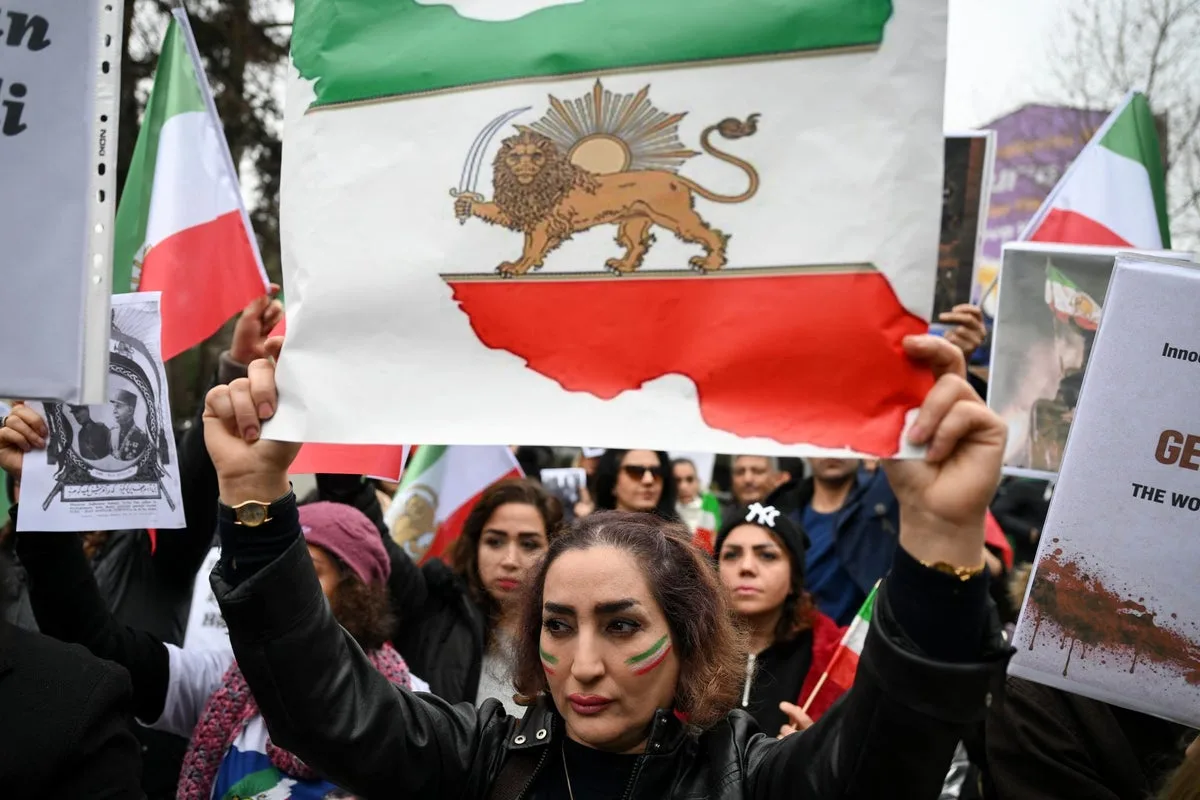
The protesters flying the historic Sun and Lion flag earlier this year represent the bravest people you'll ever encounter. Even writing this now feels like something that should not be taken lightly. Because silence carries its own significant weight.

What the world is witnessing currently is a terrible paradox many Iranians already understand intimately: the regime is brutal, but foreign military intervention brings its own distinct horrors. People inside the country fear the strikes. Nobody wants war. But they also fear what happens if the strikes cease and the regime continues exactly as it has. I read online that "it's reached a point where people now watch explosions as though they are normal – the fear of the mullah is greater than the bomb."

Choosing Between Two Forms of Violence

Which evil would you have them choose? Some would rather risk foreign bombs than face bullets in the street. Others will be traumatized permanently by the sound of air strikes. Many simply do not want to die and wonder what they did to deserve such terror. Earlier this year protesters were being beaten, imprisoned, and executed. Now there is the additional fear of bombs as well. Will civilians die at the hands of their own government, or from foreign military strikes?

It is an impossible question – one I hope most people never have to ask themselves. I was fortunate enough to say goodbye to my grandfather in 2011 before he passed away. My grandmother remains alive. For years I had quietly made peace with the idea that I might never see her again. Now I don't even know if that fragile acceptance still holds.

Being Iranian today – whether inside the country or in the diaspora – means living with constant emotional calculation. How much hope is safe to allow yourself? How much grief can you carry before it overwhelms you completely? All I know is this: ordinary Iranian people should not have to choose between two forms of violence simply to survive.

They deserve something far simpler than that. They deserve genuine peace. They deserve meaningful prosperity. And we all hope fervently that it's coming soon.