Fresh Protests Erupt at Iranian Universities as Students Clash with Militia
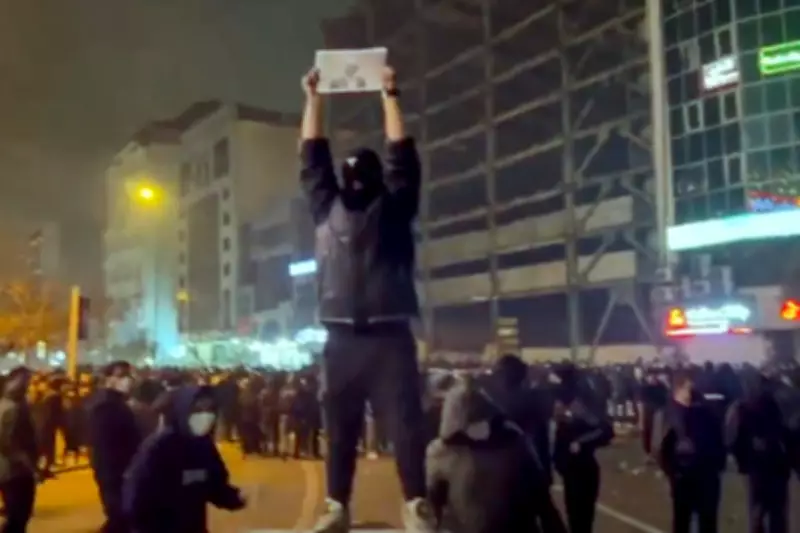
Iranian students staged protests at several universities across the country on Saturday, marking the start of a new academic semester with violent clashes between demonstrators and pro-government factions. According to local news agencies and social media posts, the unrest coincided with traditional 40-day mourning ceremonies for those killed during January's widespread anti-government demonstrations, which saw thousands lose their lives in the most severe domestic upheaval since Iran's 1979 Islamic Revolution.
Condemnation of Supreme Leader and Calls for Monarchy
A video reportedly from Tehran's prestigious Sharif University of Technology showed marchers openly condemning Supreme Leader Ayatollah Ali Khamenei as a "murderous leader" while advocating for Reza Pahlavi, the exiled son of Iran's deposed shah, to assume a new monarchical role. This bold criticism of the country's highest authority represents a significant escalation in the protest movement's rhetoric and demands.
Violent Confrontations at Engineering University
State-affiliated news agencies including SNN carried videos of clashes at Iran's top engineering university, where protesters allegedly injured volunteer student Basij militia members by throwing rocks. The Basij, a paramilitary volunteer force, frequently assists security forces in quelling protests and maintaining government control during periods of civil unrest.

Widespread University Protests Across Iran
Protests were also documented at Beheshti University and Amir Kabir University in the capital Tehran, as well as Mashhad University in the northeast, according to videos published by rights group HAALVSH. In the western town of Abdanan, a persistent hotspot for protest activity, demonstrators chanted "Death to Khamenei" and "Death to the dictator" following the arrest of an activist teacher, as reported by rights group Hengaw and corroborated by social media posts.
International Context and January Crackdown
The January protests prompted significant international responses, including US President Donald Trump imposing new tariffs on Iran's trading partners and deploying the nuclear-powered USS Abraham Lincoln aircraft carrier to the Middle East. Meanwhile, exiled opposition figure Reza Pahlavi accused the Tehran regime of killing an Iranian protester "every 14 seconds" during what he described as a brutal government crackdown, though President Trump later claimed he had received assurances that planned executions were not taking place.
Deadly January Protests and Disputed Death Toll
January 8 and 9 represented the most deadly 48-hour period of the protests, when security forces began firing lethal rounds on demonstrators under the cover of an internet blackout. A network of doctors operating inside Iran has estimated the national death toll could exceed 30,000 people, a figure that dramatically outstrips the regime's official count of 3,117 dead as reported on Iranian state television. This substantial discrepancy highlights the ongoing information war surrounding the protest movement's true scale and impact.