Iranian Agents Block Medical Care for Wounded Protesters in Hospitals
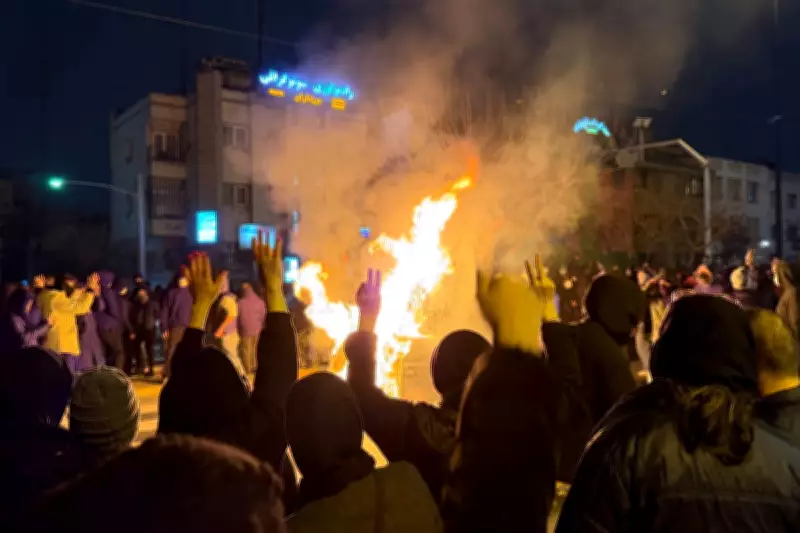
During last month's deadly nationwide crackdown on protests in Iran, security agents systematically obstructed medical care at hospitals overwhelmed with wounded demonstrators. Doctors have reported that plainclothes agents swarmed healthcare facilities in multiple cities, hunting for injured protesters and preventing life-saving treatment.
Security Forces Block Emergency Treatment
In one harrowing incident at a hospital in the northern city of Rasht, armed plainclothes security agents blocked doctors from resuscitating a man in his 40s who had been shot in the head at close range. "They surrounded him and didn't allow us to move further," a doctor told The Associated Press, describing how agents pushed medical staff back with rifles. Minutes later, the man died, and agents placed his body in a black bag before loading it into a van with other corpses.
This was not an isolated occurrence. Over several days in early January, as thousands were wounded by security forces firing on crowds protesting the 47-year-old Islamic Republic, agents monitored and frequently obstructed care to protesters. They intimidated hospital staff, seized patients, and removed the dead in body bags. Dozens of doctors were arrested during this period.

Unprecedented Militarization of Healthcare
The level of brutality and militarization of health facilities was described as unprecedented by medical professionals who have witnessed decades of crackdowns on dissent in Iran. In at least one instance, snipers positioned on the roof of a hospital in Gorgan shot at approaching patients, according to witness accounts provided by the U.S.-based Iranian health care professionals association IIPHA.
"It is systematic," said Amiry-Moghaddam, an Iranian-Norwegian neuroscientist who founded the Oslo-based Iran Human Rights Center. "And we have not experienced this pattern before." His organization has documented multiple accounts of security agents preventing medical care, removing patients from ventilators, harassing doctors, and detaining protesters within hospital wards.
Government Denials and Doctor Testimonies
The Iranian government has blamed the protests and ensuing violence on armed foreign-backed "terrorists." Health Ministry spokesman Hossein Kermanpour denied reports of treatment being prevented or protesters being taken from hospitals, calling them "untrue, but also fundamentally impossible." He stated in official media that all injured were treated "without any discrimination or interference over political opinions."
However, doctors' testimonies paint a different picture. The Rasht doctor described working through 66 hours of continuous trauma care, moving between facilities to help the wounded. On January 8, emergency wards would empty and refill with new patients every 15 to 30 minutes. The situation worsened on January 9 as live ammunition wounds became more common and security agents grew more menacing.
Agents brought in wounded protesters and stood watch over them during treatment, bursting into wards armed with automatic rifles, threatening staff, filming patients, and checking documents. When patients were ready for discharge, "they would take anyone who was confirmed to be a protester," the doctor reported.
Doctors Attempt to Protect Patients
Medical staff attempted to hide wounded protesters by recording false diagnoses in hospital records. Gunshot wounds to the abdomen were documented as abdominal pain, broken bones as falling accidents, and genital gunshots as urology issues. "We knew that no matter what we did for the patients, they wouldn't be safe once they stepped out of the hospital," the doctor explained.
Amnesty International has received credible reports that targeted, close-range shootings of protesters occurred "at a far greater scale" than in past crackdowns, according to the group's Iran researcher Raha Bahereini. Two videos verified by AP show protesters' bodies with close-range gunshot wounds still connected to medical equipment.

Secret Medical Facilities Emerge
Other doctors established clandestine treatment centers to care for the wounded away from authorities. One surgeon described being summoned to a cosmetic clinic in Tehran that had been transformed into a trauma ward, with more than 30 wounded men, women, children, and elderly patients on blood-covered floors.
He spent nearly four days treating approximately 90 people with minimal supplies, using cardboard boxes and soft metal as splints, and administering IV drips without blood transfusion capabilities. Phone lines were cut for 12 hours, preventing calls for assistance, and patients couldn't be transferred to hospitals for fear of arrest.
The surgeon described particularly severe cases: a woman in her 30s with bird shot destroying the roof of her mouth and facial area, a young man with a shattered elbow requiring eventual amputation, and a family of four including children aged 8 and 10 all riddled with pellets. Remarkably, the older boy had dozens of pellets in his face but none hit his eyes.
Before referring stabilized patients to trusted doctors, the surgeon had to remove all bullets and pellets from their bodies and write referral letters claiming they had been in car accidents. "They started to make the atmosphere happy through their pain," he recalled of patients applauding new arrivals. "It was so human."
Healthcare Professionals Targeted
Since January 9, at least 79 healthcare professionals have been detained, including a dozen medical students, according to monitoring by Homa Fathi of IIPHA. Many were accused of resisting security agents' orders or providing medical care to protesters. While approximately 30 have been released on bail, many still face charges, including one doctor accused of "waging war against God"—a charge carrying the death penalty.
Authorities are keeping some doctors under surveillance at home to prevent them from treating wounded protesters, representing an unprecedented level of control over medical professionals. The surgeon who operated the secret clinic reported that two healthcare workers who volunteered there were later seized from their homes, adding, "I am waiting, too."
The crackdown, which reached its peak on January 8-9, represents the deadliest since the Islamic Republic took power in 1979. The Human Rights Activists News Agency has confirmed more than 7,000 deaths and is investigating thousands more, while the government has acknowledged over 3,000 killed—though it has historically undercounted fatalities during unrest.