Horrific Video Emerges of Iranian Regime Truck Ramming Protesters in Ardabil
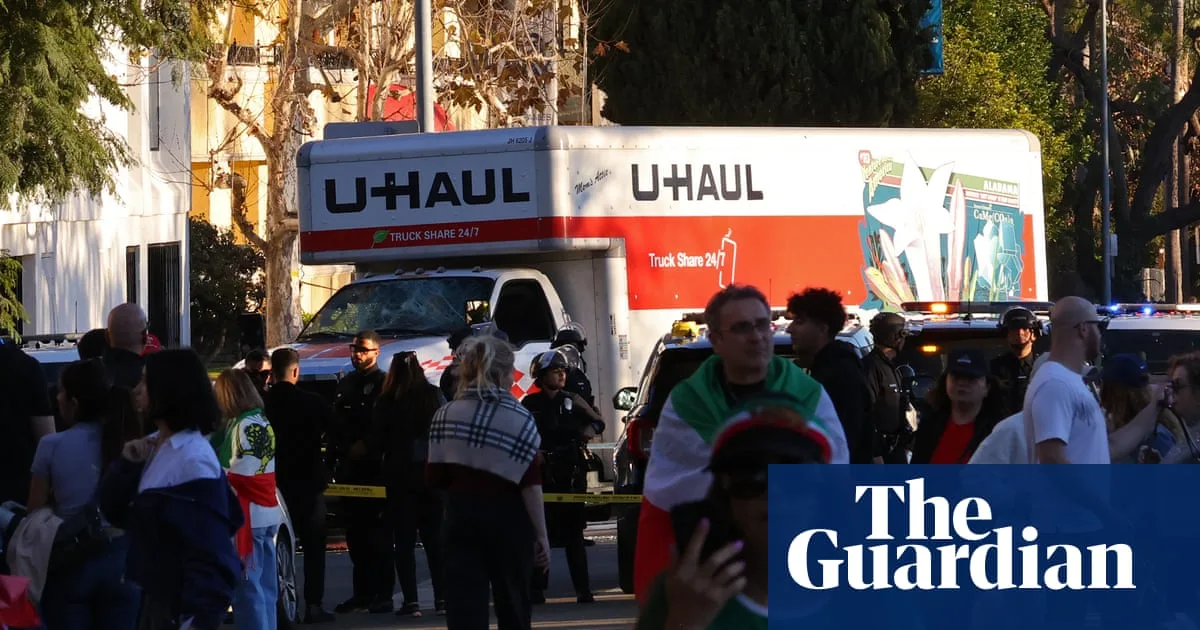
A deeply disturbing new video has surfaced showing a truck associated with the Iranian regime accelerating directly into a crowd of protesters in the northwestern city of Ardabil, with reports indicating the vehicle ran over multiple individuals. The footage, which has sparked international outrage, allegedly shows the incident resulting in the death of one woman and injuries to at least three other people.
Graphic Footage from Yahyavi Square
The video was filmed at Yahyavi Square in Ardabil on January 8, capturing the moment civilians scrambled desperately to escape the path of the speeding vehicle as it careened down the street. Terrified screams are audible in the background of the footage, which has been circulated by independent media outlets including Iran International. This incident occurred during a period when, according to Amnesty International, authorities intensified their suppression and carried out what the organisation describes as massacres of protesters.
Scale of the Government Crackdown
This violent event forms part of a much broader and severe crackdown by Iranian authorities on protests that began in late December. The US-based Human Rights Activists News Agency reports that at least 50,834 people have been arrested in connection with the demonstrations. Furthermore, the group states that the government's response has killed at least 6,876 individuals, though other human rights organisations and medical professionals have estimated the death toll could be as high as 30,000.
Iran is currently recovering from what rights groups have characterised as an unprecedented mass killing, which was facilitated by a weeks-long nationwide internet blackout that hindered reporting and communication.
Heightened Tensions and Propaganda Displays
The atmosphere in Iran remains highly charged. In a sign of the febrile state, Tehran municipality felt compelled to issue a statement clarifying that loud sounds heard in the city centre were due to a religious holiday and not any other cause. Simultaneously, a new billboard appeared in the capital depicting American planes crashed into a hillside, with civilians shown flying the flag of the Islamic Republic above them—a clear piece of state propaganda.
Crucial US-Iran Talks Amid Military Posturing
This backdrop of domestic violence sets the stage for critically important diplomatic negotiations. US and Iranian officials are scheduled to hold their first direct talks this week since the regime launched its deadly clampdown on civilians. The meeting, reported by Iranian media to be held on Friday in Muscat, Oman, could prove decisive in determining whether Washington pursues renewed military action against the Islamic Republic.
Oman has previously hosted nuclear talks between the two nations. While the White House has not officially confirmed the Oman location, it has acknowledged that negotiations are anticipated to proceed, even following recent military incidents. These include a US Navy fighter jet shooting down an Iranian drone that approached an American aircraft carrier, and Iranian fast boats from the Revolutionary Guard attempting to stop a US-flagged ship in the Strait of Hormuz.
Diplomatic Shifts and Strategic Demands
In a significant development, Iran's reformist President Masoud Pezeshkian stated he had instructed the foreign minister to pursue fair and equitable negotiations with the US, marking the first clear signal from Tehran of a desire to engage. This shift suggests the move is supported by Supreme Leader Ayatollah Ali Khamenei, who holds ultimate authority and had previously dismissed negotiations.
US Press Secretary Karoline Leavitt indicated that Special Envoy Steve Witkoff has been planning talks, emphasising that President Donald Trump prefers diplomacy but requires a willing partner. However, Trump has not ruled out military action should talks fail, referencing previous US attacks on Iranian nuclear sites.
The US agenda extends beyond the immediate crisis. Washington seeks a new deal on Iran's nuclear programme, which it believes aims to develop an atomic bomb, alongside curbing Iran's support for proxy forces in the region and reducing its ballistic missile arsenal. Iran, conversely, insists any talks should focus solely on nuclear issues, not its defence capabilities or regional activities.
With a US battlegroup led by the USS Abraham Lincoln deployed to the region and Iran threatening retaliation against US bases and vessels if attacked, the stakes for the upcoming talks could not be higher. The potential outcomes range from a diplomatic breakthrough to targeted military strikes or even broader conflict, all while the Iranian people continue to suffer under a brutal internal crackdown.