Iranian School Bombing Claims 80 Children in US-Israel Strikes
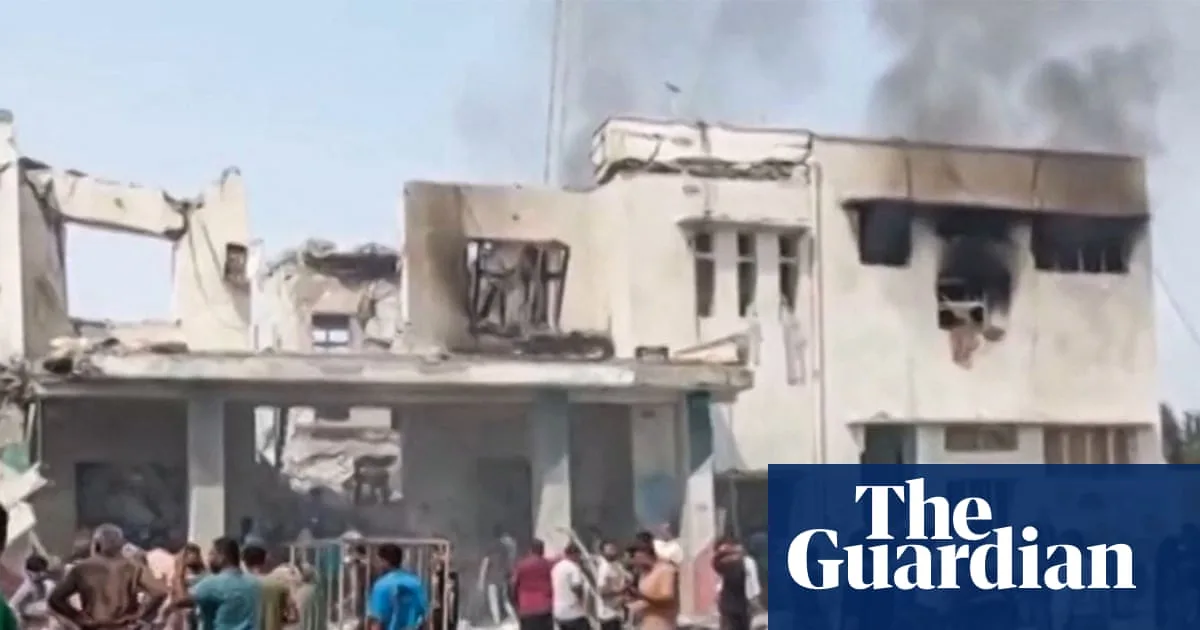
Iranian state media has reported that at least 80 children were killed in a devastating strike on a girls' elementary school in southern Iran, as part of a joint US-Israel military operation that began on Saturday morning. The attack on Shajareh Tayyebeh all-girls school in Minab represents what could be the largest single casualty event of the ongoing conflict, with dozens more children still unaccounted for.
Graphic Footage Shows School Devastation
Video footage circulating on social media and verified by multiple sources shows the immediate aftermath of the strike, with smoke billowing from burned-out walls and debris scattered across nearby roads. Hundreds of distressed onlookers gathered at the site, their screams audible in the background as they surveyed the destruction. The school appears to be located adjacent to a Revolutionary Guards barracks, though Iranian authorities have emphasized the civilian nature of the target.
Persian factchecking service Factnameh has cross-referenced the video with other photographs of the school site and concluded the footage is authentic. Reuters has also independently verified the video as originating from the school location. The Guardian notes that the death toll and specific circumstances of the bombing could not be immediately independently verified.
Nationwide Attacks Trigger Mixed Reactions
Across Iran, citizens reported a complex mixture of terror and hope as bombs continued to fall. In Tehran, some residents sheltered in their homes while others rushed through gridlocked traffic to retrieve children from schools that had abruptly closed. Many Iranians had been preparing for possible conflict for weeks, stockpiling water and essential supplies in anticipation of military action.
"My worry is that innocent people will be killed," said Amir, a 37-year-old bakery owner in Tehran who requested anonymity. "We have endured so much grief – despite that, we don't want to see the body bags on the streets due to US and Israeli strikes." Amir's family members were injured during the Iranian regime's recent crackdown on nationwide protests, and he fears further bloodshed.
Protest Veterans Express Defiance and Fear
Among those who participated in recent anti-regime demonstrations, reactions to the foreign strikes were particularly complex. Mohsen, a 25-year-old IT worker in Tehran, acknowledged the danger to civilians while drawing parallels to regime violence: "We do fear that compatriots will be killed, but I have witnessed friends gunned down by the regime – like thousands of us have."
Moein, a 21-year-old University of Tehran student who lost two friends in the protest crackdown, questioned the distinction between different sources of violence: "When weapons come from the US, do they strike us more gently than when they come from the regime's killing machines?" He noted that while Tehran felt apprehensive, it had not descended into panic, with residents having prepared essential supplies despite the absence of designated bomb shelters for ordinary citizens.
Diplomatic Context and Military Buildup
The attacks occurred amid ongoing diplomatic negotiations between Iran and the United States, approximately seven weeks after Tehran violently suppressed nationwide anti-regime demonstrations. According to the US-based Human Rights Activist news agency, more than 7,000 people have been confirmed dead in the protests, with over 11,000 additional deaths still under investigation.
President Donald Trump announced the beginning of "major combat operations" against Iran on Saturday morning, urging Iranians to rise up and "take over your government." The United States had significantly increased its military presence in the region over recent weeks in preparation for potential conflict.
Mehnaz, a 27-year-old Tehran resident living near government administrative buildings, described hearing loud explosions around 9am: "It's a strange feeling. Both fear and hope for the end of the regime." Initial strikes appeared to target areas near Supreme Leader Ayatollah Ali Khamenei's offices and compound, though the full scope of targets remains unclear.
As attacks continue, access to state media has become intermittently unavailable in some areas, though it remains uncertain whether this results from cyber-attacks or overwhelming website traffic. The conflict represents a significant escalation in regional tensions, with civilian casualties mounting and international concern growing about the humanitarian impact of the military operations.