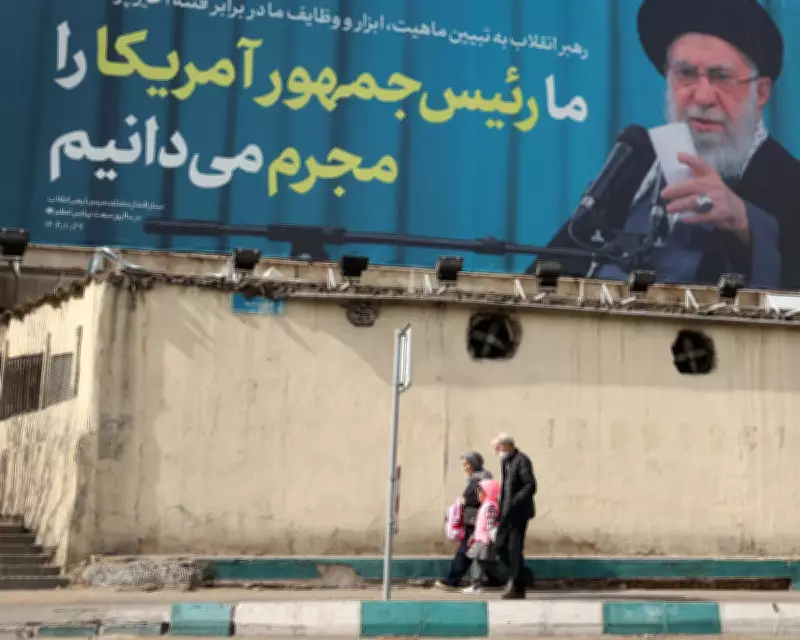
In Tehran, a billboard featuring Supreme Leader Ayatollah Ali Khamenei carries a stark message: 'We know US president as a criminal following anti-government protests,' dated 2 February 2026. This imagery underscores the escalating tensions in Iran, where the potential for regime change remains a critical unknown, echoing the tumultuous events of 1979 that reshaped the Middle East.
Striking Similarities Between Past and Present Unrest
The current wave of protests in Iran, which swept across cities from Mashhad to Abadan in late 2025 and early 2026, mirrors the mass demonstrations that preceded the exile of the shah. Analysts note that the similarities are profound, with economics playing a central role in both eras. Soaring inflation, reaching nearly 50% for basic goods in 1977, has resurfaced as a key trigger for recent unrest, threatening livelihoods and fueling public anger.
The Cycle of Repression and Mourning
A critical parallel emerging is the cycle of repression, grief, and protest that unseated the shah. In 1978, protests ignited after a conservative newspaper attacked Ayatollah Ruhollah Khomeini, leading to deadly clashes in Qom. The Shia tradition of 40-day mourning periods transformed these events into a self-perpetuating cycle of demonstrations and violence, as described by journalist Ryszard Kapuściński. This pattern could recur, with merchants in Tehran's bazaar calling for new protests to commemorate killings from early January, aiming to 'avenge the greatest street massacre in contemporary history.'

US Involvement and Regional Implications
Amidst this domestic turmoil, indirect talks between Iranian and US delegations in Oman have faltered, with many analysts deeming the gap too wide to bridge. Former US President Donald Trump's advocacy for regime change adds to the tension, highlighting the global stakes. The hold of Iran's post-1979 revolutionary leaders is at risk, with the US seemingly pushing for upheaval that could destabilize the region further.
Diverse Coalitions and Uncertain Outcomes
The 1978 revolutionary movement was a broad coalition, including radical clerics, liberals, socialists, and minorities, all united against the shah but divided on the future. Today, protesters in Iran represent a similarly diverse array of voices, though internet restrictions obscure their full identities. If the current regime falls, the aftermath may be as chaotic as in 1979, when Khomeini took years to consolidate power through war, new institutions, and repression.
Lessons for Modern Protesters
For those seeking change in Iran today, the past offers a cautionary tale. Mass mobilization and coalition-building are essential, but internal divisions could allow authoritarian forces to prevail, as happened with the Islamic Revolutionary Guard Corps. The death toll from recent protests, potentially up to 30,000, suggests a profound level of anger, yet the path to a stable, free Iran remains fraught with challenges.
Ultimately, while regime change may occur, the future of Iran is as unpredictable as it was 47 years ago. The people's struggle for freedom and prosperity may only begin with the fall of the current rulers, echoing Kapuściński's insight that everyone imagines the future differently in times of revolution.