A Guide to Greeting Muslims During Ramadan: Phrases and Traditions Explained
How to Wish Someone a Happy Ramadan: Essential Phrases

A Guide to Greeting Muslims During Ramadan: Phrases and Traditions Explained

The sacred month of Ramadan, a period of profound spiritual reflection and fasting for Muslims worldwide, is approaching with its commencement anticipated around Wednesday 18 February to Thursday 19 February in 2026. This holy time, determined by the lunar calendar and the sighting of the crescent moon, marks a global observance where adherents engage in fasting from dawn to sunset, abstaining from food and water, while dedicating themselves to prayer, Quranic recitation, and acts of charity.

How to Extend Ramadan Greetings Appropriately

For those seeking to wish Muslim colleagues, friends, or neighbours well during this period, understanding the traditional phrases is key. The most common greetings, derived from Arabic, include:

  • Ramadan Mubarak: This phrase translates to 'Blessed Ramadan' and is widely used across Muslim communities to convey goodwill and blessings for the month.
  • Ramadan Kareem: Meaning 'Generous Ramadan', this expression highlights the generosity and spiritual abundance associated with the fasting period.

These greetings are typically exchanged among family, friends, and neighbours throughout Ramadan, often when meeting for the first time during the month. Additionally, the variation Ramzan is commonly heard in regions such as India and Pakistan, reflecting local linguistic adaptations.

The Significance and Practices of Ramadan

Ramadan holds immense importance in Islam as the ninth month of the Islamic calendar, during which it is believed the Holy Quran was first revealed to Prophet Muhammad (PBUH). It represents one of the Five Pillars of Islam, fundamental practices that Muslims are obligated to uphold. The fasting process, observed from dawn (suhoor, the pre-fast meal) to sunset (iftar, the meal to break the fast), serves as a test of spiritual devotion, fostering patience, self-discipline, and empathy for those less fortunate.

Exemptions from fasting are granted to certain groups, including:

  1. Individuals suffering from mental or physical illnesses.
  2. Pregnant or breastfeeding women.
  3. Women who are menstruating.
  4. Travellers on journeys.
  5. Children who have not yet reached puberty.

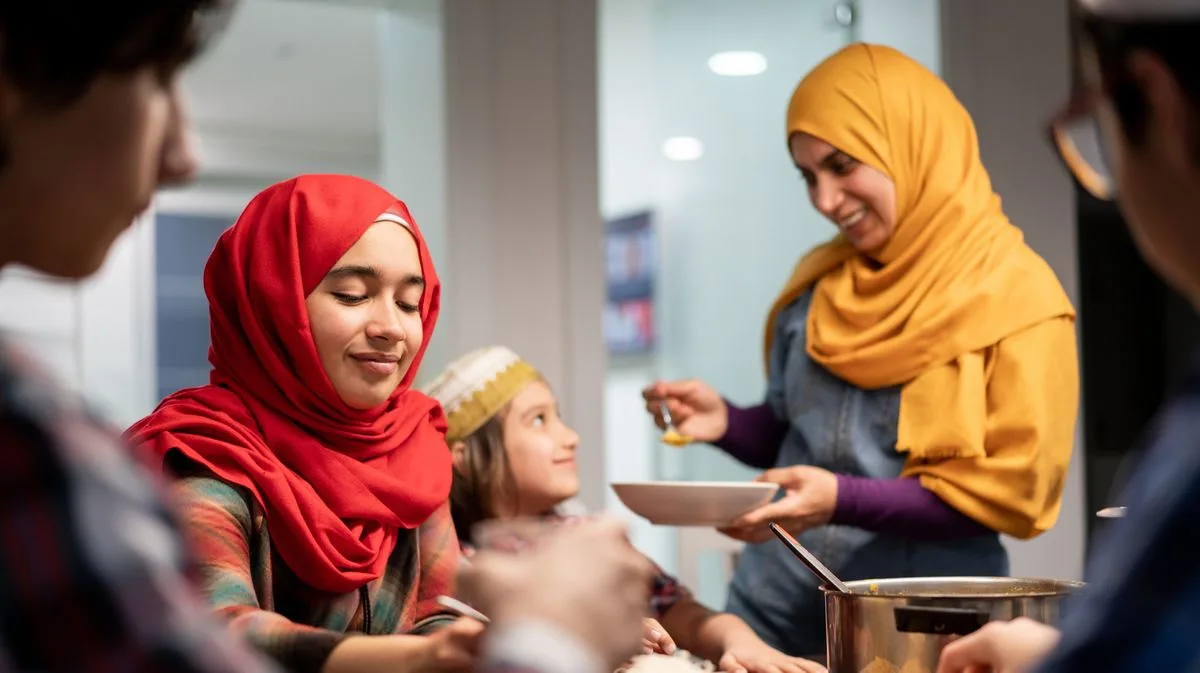
Celebrations during Ramadan vary globally, featuring communal Iftar gatherings, festive decorations, and traditional foods, all aimed at strengthening community bonds and faith. As Muslims prepare for this holy month, often guided by announcements from the Saudi moon sighting committee or local mosques, the spirit of Ramadan encourages mindfulness and charitable acts.

In summary, offering a simple 'Ramadan Mubarak' or 'Ramadan Kareem' is a respectful way to acknowledge this significant time, fostering understanding and goodwill across diverse communities. Happy fasting and Ramadan Mubarak to Muslims around the world!