Iran Disrupts Vital Oil Passage in Response to Israeli Military Actions
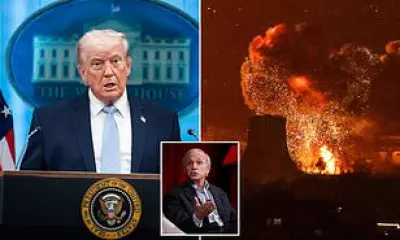
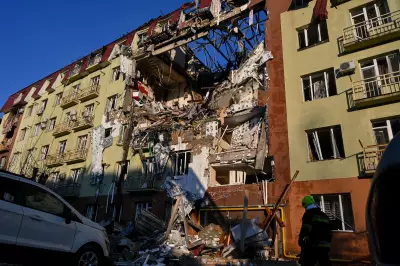
In a significant escalation of regional tensions, Iran has halted the transit of oil tankers through the strategically crucial Strait of Hormuz. This decisive move comes as a direct response to Israel's ongoing military attacks on Lebanon, throwing into sharp relief the fragility of a two-week ceasefire brokered by the United States. The situation underscores the complex geopolitical dynamics at play in the Middle East, where energy security and military conflicts are deeply intertwined.
Ceasefire Implementation and Sudden Reversal
Initially, there were signs of cautious optimism as Iran's semi-official Fars news agency reported that two oil tankers were permitted to pass through the Strait of Hormuz earlier this morning. This development aligned with the activation of the ceasefire agreement negotiated between Iran and the United States, suggesting a temporary de-escalation. However, in a stark reversal, Iranian authorities later announced that "simultaneous with Israel's attacks on Lebanon, the passage of oil tankers through the Strait of Hormuz has been stopped." This abrupt policy shift highlights how quickly diplomatic progress can unravel amid renewed hostilities.
Parallel Attack on Saudi Oil Infrastructure
Compounding the crisis, Saudi Arabia's critical East-West oil pipeline—a vital artery for transporting crude from the Persian Gulf to the Red Sea for global export—was targeted in a drone attack at 1pm local time. The Financial Times confirmed this incident, which further threatens regional oil stability. This attack on alternative export routes amplifies concerns about the broader impact of the Strait of Hormuz closure on global energy markets and supply chains.

Domestic Backlash Against Trump's Ceasefire Plan
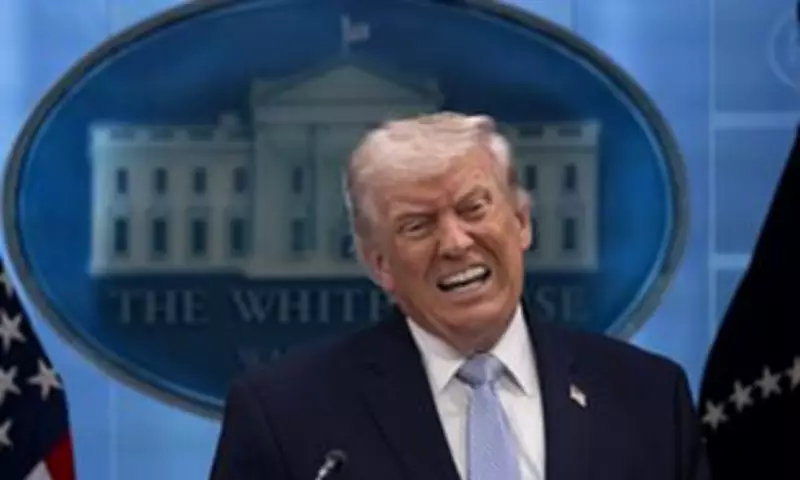
Former President Donald Trump is confronting a furious backlash from his most ardent supporters over the ceasefire and the associated 10-point peace plan currently under negotiation. Critics argue that the proposed agreement concedes too much to Tehran, potentially undermining long-term national security objectives. Republican Senator Lindsey Graham has been particularly vocal, demanding that Vice President JD Vance appear before Congress to elucidate the terms of the deal. Vance, who historically opposed military engagement, played a pivotal role in last-minute peace talks mediated by Pakistan.
"The supposed negotiating document, in my view, has some troubling aspects, but time will tell," Graham stated on social media platform X. "I look forward to the architects of this proposal, the Vice President and others, coming forward to Congress and explaining how a negotiated deal meets our national security objectives in Iran."
Voices of Dissent from Pro-Israel Allies
Prominent pro-Israel figures within Trump's political circle have expressed deep skepticism about the ceasefire's viability. Laura Loomer, a staunch Trump ally, predicted that the agreement "will fail," arguing that it offers no tangible benefits for the United States. "The negotiation is a negative for our country. We didn't really get anything out of it and the terrorists in Iran are celebrating," she wrote on X. "I don't know why people are acting like this is a win."
Similarly, commentator Mark Levin, who maintains close ties to Trump, voiced concerns about trusting Iranian authorities. While acknowledging his faith in the President's "instincts," Levin emphasized that "this enemy is still the enemy; they're still surviving," referring to Iran's enduring threat perception. These internal criticisms reflect broader anxieties about the strategic implications of the ceasefire and its potential to embolden adversarial regimes.
Implications for Global Energy and Diplomacy
The stoppage of oil tankers in the Strait of Hormuz—a chokepoint for approximately one-fifth of the world's oil supply—poses immediate risks to global energy markets, potentially triggering price volatility and supply disruptions. Concurrently, the diplomatic fallout from the ceasefire backlash complicates efforts to achieve lasting peace in the region. As negotiations continue, the interplay between military actions, energy security, and domestic political pressures will likely shape the trajectory of U.S.-Iran relations and regional stability in the coming weeks.