Inside Lebanon's Devastated South as Israel Threatens Ground Invasion
For nearly two weeks, Israel has been conducting relentless airstrikes across wide areas of Lebanon, with a particular focus on the southern regions of the war-ravaged country. The intense bombardment comes as Israel engages in a fierce battle with the Iran-backed Lebanese militant group Hezbollah, raising fears of a broader ground invasion.
Personal Tragedies Amidst the Conflict
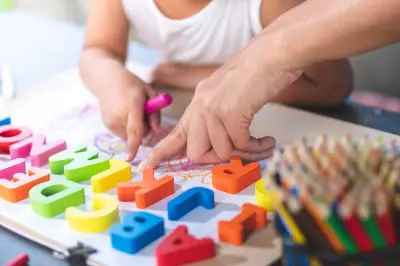
Against the intermittent thump of distant Israeli airstrikes, an elderly couple sits on the floor of a brightly colored classroom, their faces etched with grief. Today they have fled their village in southern Lebanon under bombing, seeking refuge in this absurdly purple room covered in children's scrawls. Neither of them can walk properly, and they carry only a few bags between them.
Early this morning, their youngest son Mohamed, a 38-year-old father of three and their primary caregiver, was killed in an Israeli airstrike on his car between Lebanon's southern city of Tyre and their village. The part-time electrician had been shuttling between his wife and three children, who were staying in a displacement camp in the coastal city, and his elderly parents who were sheltering in their village of Chaatiyeh.

"Mohamed was looking after us, caring for us. Today the light went out of my life," says Iman, 78, the mother, her voice reduced to a cracked shell of its former self.
Her husband Daoud, 85, picks up the story when she becomes unable to continue speaking. "When they came and told me my son was killed, I collapsed. Totally collapsed. He has left three children with no father. My heart is burning. I feel like part of me died."
A Family's Repeated Displacement
Sitting perched on a child's chair in this temporary shelter, Fouad, 54, the eldest son, explains that his own child had been killed in the previous war with Israel in 2024 while volunteering with civil defense. This marks the second time the family has been displaced to this particular school.
"What, after all this, is left for us from life? There is no one, nothing left," he says, burying his face in his hands.
Escalating Conflict with No End in Sight
This current war was triggered twelve days ago when Hezbollah fired at Israel in retaliation for massive US and Israeli strikes over Iran that killed its supreme leader, Ali Khamenei. The conflict shows no signs of abating, with fears growing that the battle between Israel and Lebanon has only just begun.
In recent days, Israeli Defense Minister Israel Katz ordered the Israeli army to expand its operations, doubling the size of forced evacuation orders in southern Lebanon and even threatening to take Lebanese territory. While Lebanon's President Joseph Aoun has reportedly been seeking talks with Israel to end the conflict, senior Hezbollah officials have stated that Lebanon has "no interest in negotiating with the enemy while it is under fire."
Mounting Casualties and Displacement
Across Lebanon, Israeli strikes have killed more than 770 people and injured nearly 2,000 more according to Lebanese authorities. The bombardment has forced more than 800,000 people like Daoud and Iman to flee their homes, which according to the Norwegian Refugee Council represents roughly one in every seven people in the tiny country.
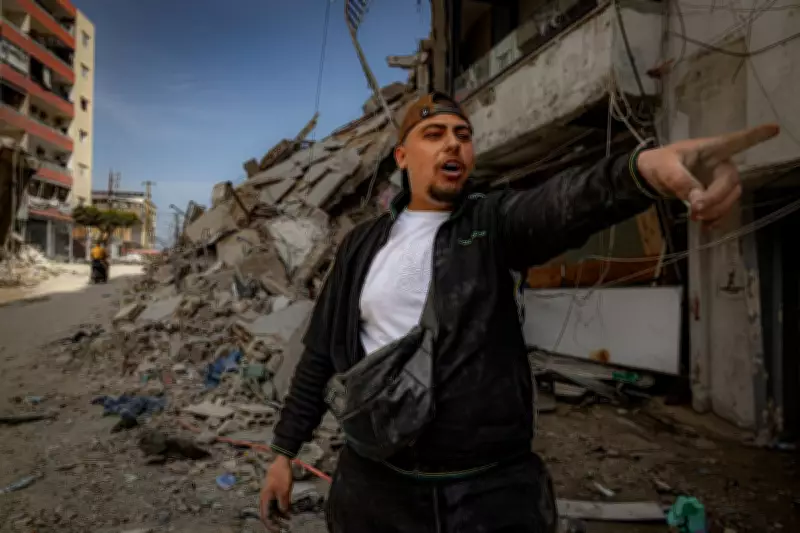
In Tyre, an ancient Phoenician city located about 20 kilometers north of the border with Israel, strikes continue daily. As journalists arrived, Israel issued new evacuation orders and bombed Abbassieh, a district inside Tyre now strewn with towering mounds of chewed-up concrete and snarled rebar.
Hospital System Under Extreme Pressure
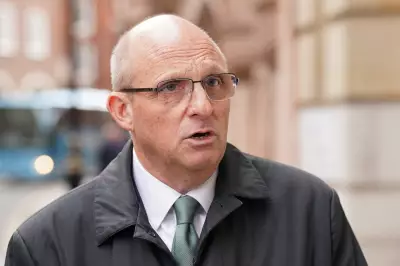
At Jabal Amel Hospital, which was badly damaged three days ago by a nearby Israeli strike, hospital director Dr. Faraj Hamady describes an overwhelmed healthcare system. They have been forced to expand their intensive care unit, which usually holds 27 patients, to accommodate the rush of critically injured victims while running low on essential supplies.
"We do our best but in the end we cannot do everything," Dr. Hamady admits, describing how he recently buried a colleague killed in an apparent double-tap attack and had to amputate the leg of a seven-year-old child.

Despite the hospital being inside the evacuation zone, medical staff refuse to leave, even amid reports that Israel is planning a massive ground invasion into Lebanon to uproot Hezbollah and claim more territory.
"If there is to be an evacuation, it will be a forced evacuation. We absolutely cannot leave," Dr. Hamady states grimly. "We will continue our services until the last pill, until the last oxygen supply, until we simply cannot do this any more."
Displacement Crisis Deepens
The other developing crisis in Tyre involves the thousands of displaced people. Although being bombed itself, the city is supporting roughly 10,000 displaced people in schools, shelters, and temporary accommodation according to Alwan Sharafeddine, the deputy mayor of Tyre.
Across Lebanon, the cash-strapped government has only been able to accommodate roughly 120,000 people as it scrambles to open shelters in schools and bring in more supplies. This shortage has forced many to sleep rough on the streets or in their cars under continued bombing.
At the local university in Tyre, guarded by United Nations peacekeeping troops, volunteers frantically hand out food rations, mattresses, and blankets to the growing number of displaced families.
"No one knows when this will end. I think it will continue for a long time and it will get harder, now the bombing is increasing step by step," Sharafeddine adds.
Cultural Spaces Become Shelters
At an iconic 1950s cinema and theatre in the heart of Tyre's Christian quarter, owner Kassem Istanbouli explains they are hosting 100 people across three spaces, packing mattresses and beds into the stalls, stage, and green rooms of all their cinemas. Among those seeking refuge are refugees from Syria and people from Bangladesh and Somalia who struggle to find places in government-run shelters that prioritize Lebanese citizens.
"Theatres in war and peace should remain open for the people. The goal of theatre is to support people. We practise cultural resistance and solidarity," Istanbouli explains.
A Plea for Humanity
Back in the school serving as temporary shelter, Daoud and Iman remain dazed as they set up mattresses on the floor of their new temporary home and continue to process their profound grief.
"My message to the international community is stop killing humanity. They killed my son. He was an engineer. He was taking care of me even though he worried about his children. Isn't it a crime to kill him?" Iman asks, her voice trembling. "I feel like from now on I will keep dying inside."
As the conflict enters its third week with no diplomatic resolution in sight, the people of southern Lebanon face an uncertain future, caught between the escalating military operations of Israel and Hezbollah's determination to continue hostilities until what they describe as "breaking the enemy's will and preventing it from continuing its aggression."