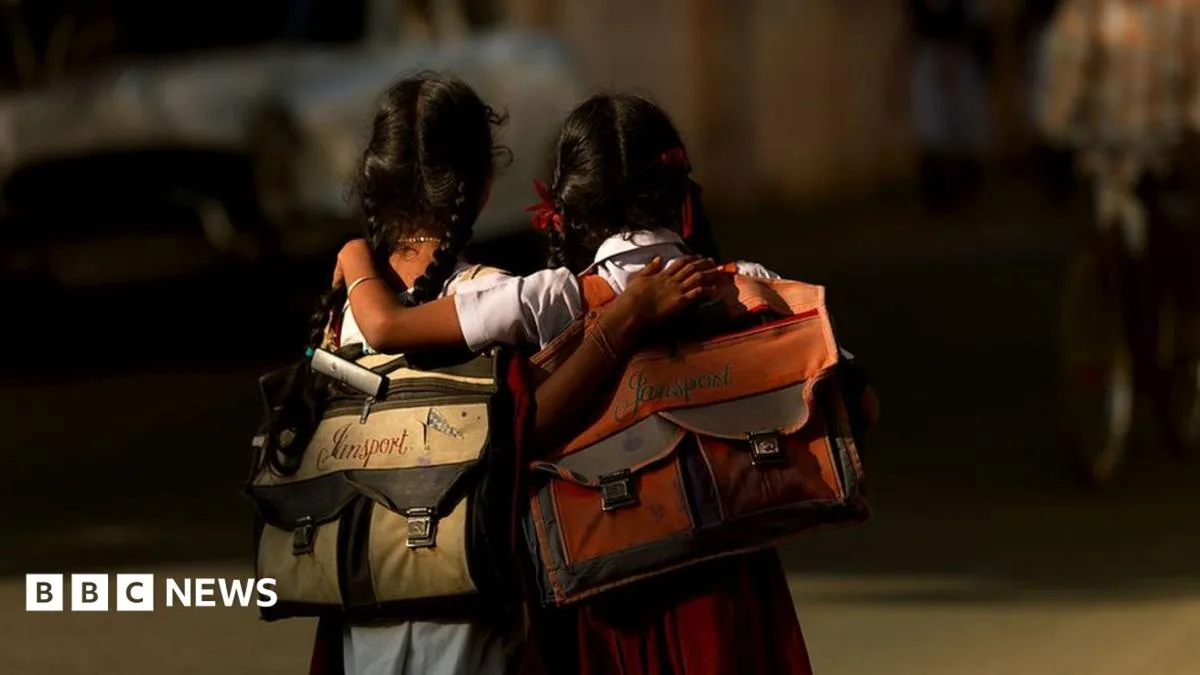
India's coronavirus lockdown has led to a rise in child marriage and child labour, with charities reporting increased distress calls. In one case, 13-year-old Rani (not her real name) successfully stopped her forced marriage after contacting the Childline helpline, but many other girls are not so fortunate. The country already accounts for a third of the world's child brides, with at least 1.5 million girls under 18 married each year.
Childline reported a 17% increase in distress calls related to early marriage in June and July 2020 compared to the same period in 2019. The lockdown, which lasted from late March to early June, pushed millions of informal workers into poverty, prompting parents to marry off daughters due to safety concerns and shrinking wedding costs. Manisha Biraris, assistant commissioner for Women and Child Welfare in Maharashtra, noted that smaller weddings made it easier and cheaper for families.
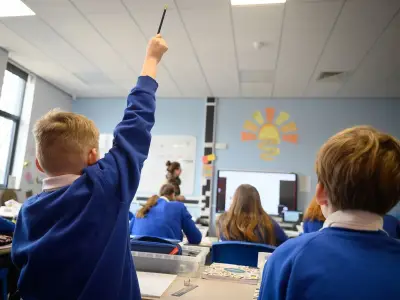
Schools, which often serve as a protective space for girls, remain closed, leaving vulnerable adolescents at home. In poor communities like those in Odisha, girls can reach out to teachers and friends for help, but fears persist that many may not return to education. Smita Khanjow from Action Aid warned that once girls leave school, it is hard to convince families to let them resume studies.
The crisis has also affected boys, with reports of teenagers being pushed into factory work. One father, Pankaj Lal, sent his 13-year-old son over 1,000km from Bihar to Rajasthan to work in a bangle factory for 5,000 rupees a month after his rickshaw earnings dried up. Lal broke down describing his decision, saying his children had not eaten for two days. India's 2011 census found 10 million child labourers among 260 million children, though the actual number is likely higher now.