Icelanders will go to the polls on 29 August to decide whether to resume negotiations with the European Union on joining the bloc, moving the date forward from an earlier expectation of 2027. The decision to hold the referendum was accelerated after US President Donald Trump's threats regarding Greenland, which heightened geopolitical focus on the Arctic region.
The vote comes more than a decade after Iceland initially applied for EU membership in 2009 following the financial crash, but withdrew from talks in 2013, citing the need for a referendum before proceeding further. This time, the question is whether to restart those negotiations, with the option of a second referendum on any final terms agreed.
Opinion polls show a divided nation. A recent Gallup survey found 54% opposed joining the EU and 46% in favour, while another poll indicated 53% would vote yes to resuming talks versus 47% no. Both pro- and anti-EU camps are invoking the UK's Brexit experience: pro-EU voices point to misinformation in the Leave campaign and the UK's struggles since leaving, while Eurosceptics argue the EU made Brexit painful as a warning to others.
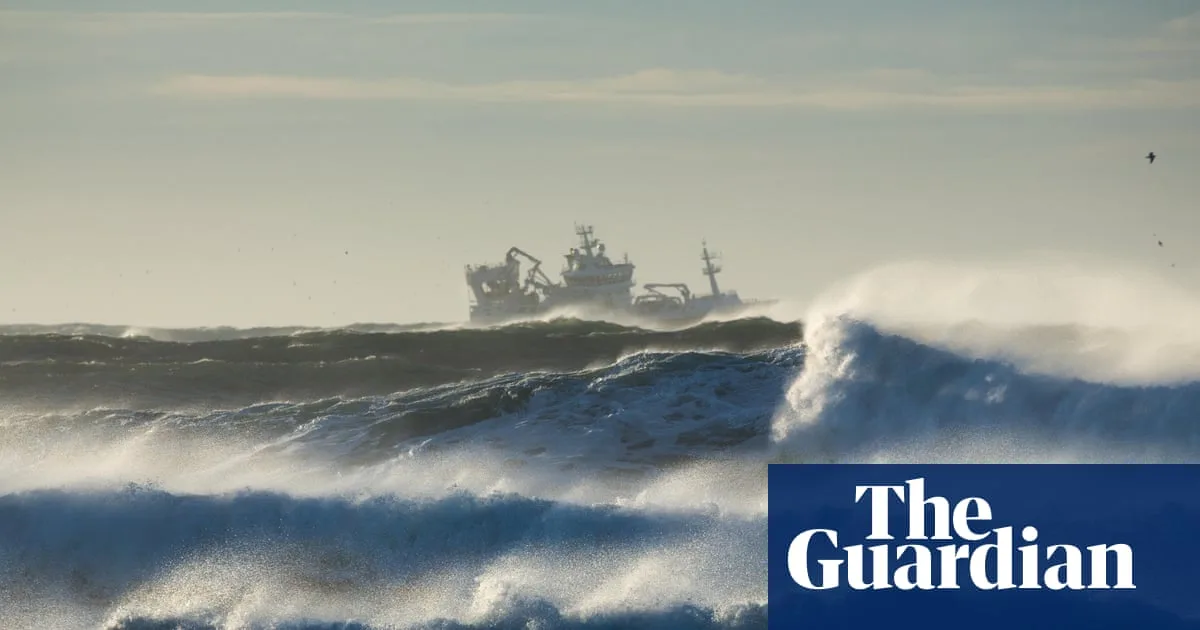
Key issues in the debate include fisheries, which have significant economic value - the total value of fisheries assets in 2023 was estimated at 1,059 billion Icelandic króna (about €7.3bn). The EU has hinted at a possible exemption for Iceland. Another major topic is the euro, as Iceland has a history of high inflation and interest rates, and many Icelanders may favour joining the eurozone over the EU itself.
Experts warn that the referendum could be contentious, with concerns about misinformation and the potential impact of AI tools. Hulda Þórisdóttir, a politics professor at the University of Iceland, noted that support for the EU cuts across the political spectrum, but ordinary people may lack good information to weigh the pros and cons.