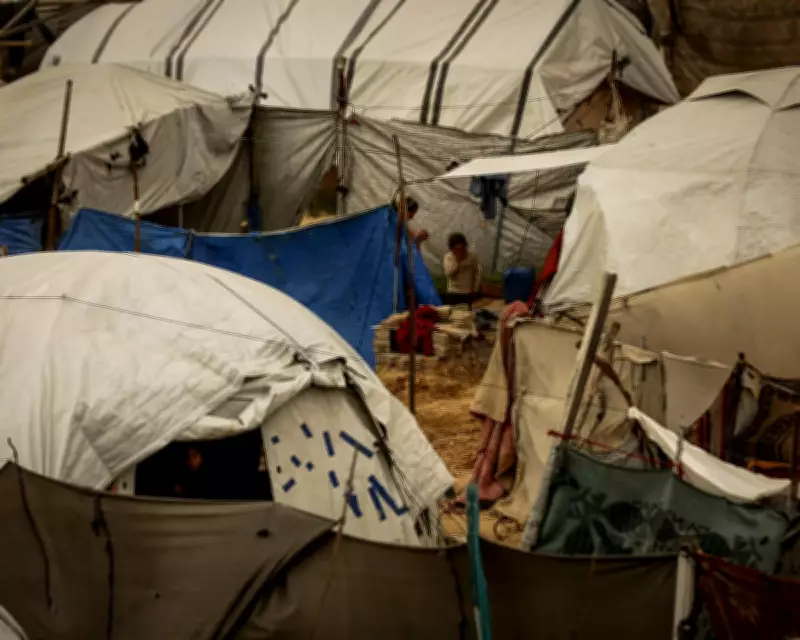
The principles of international humanitarian law, designed to safeguard civilians and limit the horrors of war, are facing unprecedented challenges in contemporary conflicts. From the ongoing hostilities in Gaza to the brutal civil war in Sudan and the protracted crisis in Ukraine, adherence to these legal frameworks is increasingly being tested, raising alarms among global observers and human rights advocates.
Gaza: A Flashpoint for Legal Debates
In Gaza, the conflict between Israeli forces and Palestinian groups has sparked intense scrutiny over compliance with international humanitarian law. Reports of civilian casualties, destruction of infrastructure, and allegations of disproportionate force have fueled debates on the application of rules governing distinction, proportionality, and precaution in attack. The situation underscores the difficulties in enforcing legal standards in densely populated urban environments, where military objectives and civilian presence are often intertwined.
Sudan's Civil War: A Humanitarian Catastrophe
Meanwhile, Sudan's civil war has descended into a humanitarian catastrophe, with widespread violations of international humanitarian law reported by various monitoring bodies. Attacks on hospitals, displacement of millions, and obstruction of aid delivery highlight systemic failures in protecting non-combatants. The conflict's complexity, involving multiple armed factions, complicates accountability and enforcement, leaving civilians vulnerable to atrocities with little recourse to justice.

Ukraine: Prolonged Conflict and Legal Challenges
In Ukraine, the prolonged conflict with Russian forces has exposed gaps in the implementation of international humanitarian law. Incidents such as targeting of civilian areas, use of banned weapons, and treatment of prisoners of war have drawn condemnation from international bodies. The war's scale and duration strain legal mechanisms, raising questions about the efficacy of existing treaties and the role of international courts in addressing violations.
Global Implications and the Path Forward
The erosion of international humanitarian law in these conflicts has far-reaching implications for global stability. It undermines trust in legal frameworks, emboldens violators, and jeopardizes the safety of civilians worldwide. Strengthening enforcement through enhanced monitoring, diplomatic pressure, and support for international justice institutions is crucial. As conflicts evolve, a renewed commitment to upholding these laws is essential to prevent further humanitarian crises and preserve the integrity of global norms.
In summary, the situations in Gaza, Sudan, and Ukraine serve as stark reminders of the fragility of international humanitarian law. Addressing these challenges requires concerted efforts from states, international organizations, and civil society to ensure that the rules of war are respected, protecting the most vulnerable in times of conflict.