Haiti's Government Reclaims Key Area from Gangs, Sparking Glimmers of Life
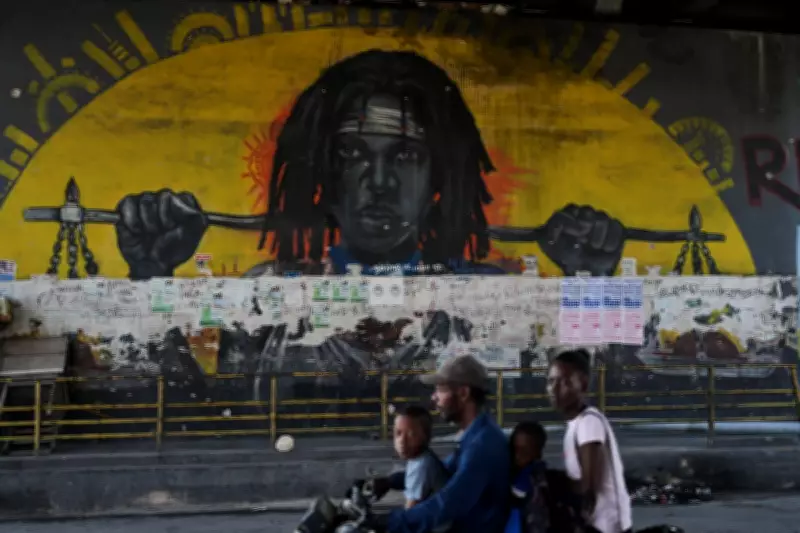
In a significant development, Haiti's government has successfully retaken control of a key area from powerful gangs, with glimmers of life cautiously emerging in the heart of Port-au-Prince. The recapture of Carrefour Aéroport, a famed intersection once bustling with traffic and commerce, marks a tangible shift after nearly two years of gang dominance that drained the area of vitality.
Unprecedented Violence and Sustained Counterattack
In early March 2024, hundreds of gang members stormed Carrefour Aéroport in an unprecedented wave of violence, smashing businesses, killing civilians, and setting fire to a police substation as officers fled. For almost two years, gangs held sway, but in December, Haitian police officers launched a sustained attack to drive them out. This effort was bolstered by a private security firm and Kenyan police officers leading a U.N.-backed mission that is now winding down.
Romain Le Cour, head of the Haiti Observatory at the Global Initiative Against Transnational Organized Crime, noted that this retaking is "probably one of the very first tangible messages sent by the authorities that, 'yes, we can take back the territory of ... no man's land.'" It serves as a hint of what could happen elsewhere in Port-au-Prince, following raids by the powerful gang federation Viv Ansanm in February 2024, which forced the closure of the main international airport and led to the resignation of former Prime Minister Ariel Henry.

A Sign of Hope and Timid Return to Normalcy
On February 7, Haitian authorities reopened a renovated police substation in Carrefour Aéroport with much fanfare, in a capital where gangs control 90% of the territory. Curious onlookers watched as heavily guarded police officers entered their restored building, nearly two years after it was torched. Jacques Ader, a police commissioner, told reporters, "Life is timidly returning to normal."
Since the reopening, street vendors and drivers of colorful buses, known as tap taps, have reinserted themselves into the area. Jean-Remy Laveau, a 35-year-old motorcycle taxi driver, said, "Small businesses are recovering. It will be good for me, more activities, more money, more work. I'll be able to better feed my two kids and my wife." Similarly, Mario Volcy, a 44-year-old tap tap driver, pointed out the return of vans and big buses, calling on the government to prosecute those responsible for the violence and support victims.
Frustrations Simmer and Lingering Fears
Not everyone is celebrating the revival. Gaspar Caseus, 49, expressed frustration because gangs still control the main highway to southern Haiti, hindering his coal-selling business. He urged authorities to retake other major intersections, stating, "Things changed after the attack. It destroyed my life. I look like a beggar." He remains hopeful, however, that a new gang-suppression force expected in April will bring change.
Meanwhile, Antoinette Desulmon, a 32-year-old street vendor, dons a big hat to sell mangoes and peppers but lives in constant fear. Her partner went missing two years ago, likely a victim of gang violence, and she cares for two children in a makeshift shelter among 1.4 million displaced Haitians. "Fear is with me every second," she said, "My heart is broken. The depression is real." Around her, charred homes and shuttered businesses remain, with only the police station rebuilt.
Challenges Ahead and the Day After
Le Cour emphasized that restoring Carrefour Aéroport to its former bustling glory will take time, but he is hopeful the incoming gang-suppression force will retake more territory. However, big concerns linger. "We're missing the other side of the equation, which is, what do you do with gang members? What's the plan for the day after you retake the territory?" he questioned. "Are you able to rebuild the territory? Are you able to bring people back in?"
This development in Haiti underscores a fragile step towards stability, yet highlights the deep-seated challenges of rebuilding and ensuring lasting peace in a nation grappling with widespread gang control and displacement.