Greece has taken a significant step toward acquiring a series of rare World War II photographs depicting the final moments of 200 Greeks executed by a Nazi firing squad. The Greek Culture Ministry announced on Friday that it has signed a preliminary agreement with Belgian collector Tim de Craene, who had listed the images for online auction.
Historic Photographs Withdrawn from Sale
The twelve photographs, which appeared for sale on eBay last Saturday, show political prisoners being led to their deaths on May 1, 1944, in the Kaisariani suburb of Athens. They represent the only known photographic evidence of this execution, a seminal event in Greece's World War II history. Following the agreement, the collector has withdrawn the photos from sale.
Verification and Heritage Declaration
Greek experts visited de Craene in Belgium on Friday to verify the authenticity of the photographs. Culture Minister Lina Mendoni confirmed that the images are genuine, noting they are part of a larger collection of 262 photos taken by Wehrmacht Lieutenant Hermann Heuer during the Nazi occupation of Greece in 1943-44. Greece has declared the photos part of its national heritage, though Mendoni did not disclose specific details of the agreement or how the acquisition will be finalized.

The Kaisariani Execution and Historical Context
The execution at the Kaisariani shooting range was one of the worst atrocities during the Third Reich's occupation of Greece. The photographs capture men being led through a gateway and down a path, with several looking directly at the camera, and another showing them lined up before a wall. This event occurred as World War II neared its end, preceding a brutal civil war between Western-backed government forces and communist fighters that lasted until 1949, leaving lasting wounds in Greek society.
Vandalism and Emotional Impact
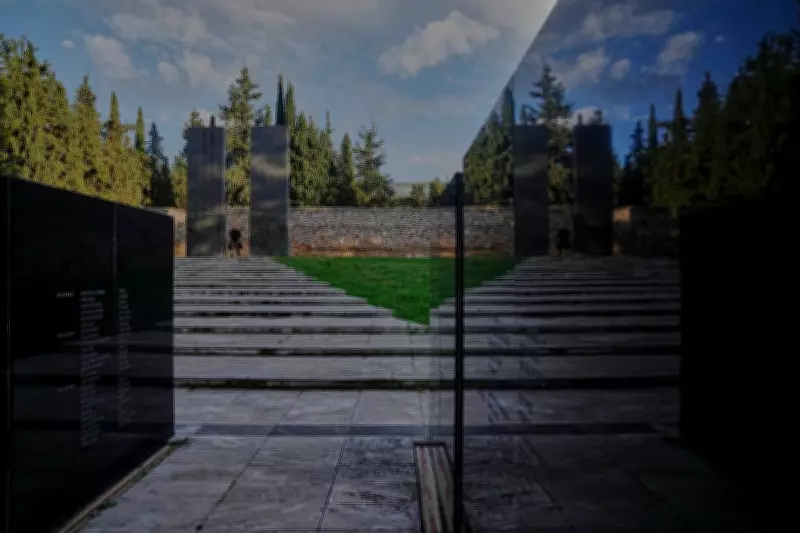
Shortly after the photos were posted for sale, a memorial at the Kaisariani site honoring those killed was vandalized, with plaques listing their names smashed. The Kaisariani municipality condemned the act, stating in a release that "historical memory will not be erased, no matter how much it bothers some people," and pledged to repair the monument. The municipality added that the photos had evoked "a chill of emotion for the heroic, valiant stance of the 200 communist heroes who stood up against the firing squad."
This preliminary deal underscores Greece's commitment to preserving its historical legacy and ensuring that such poignant artifacts remain accessible for future generations, rather than being lost to private auctions.