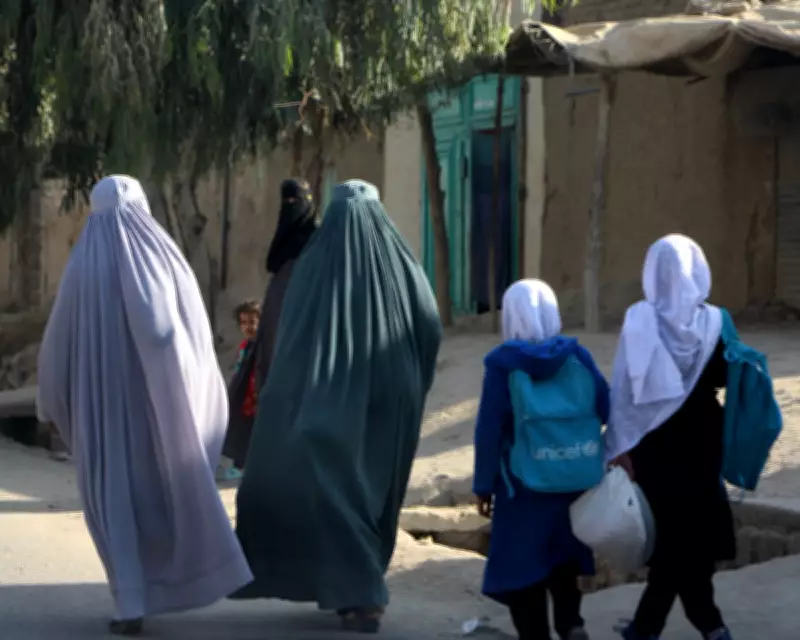
Family Planning Progress in Afghanistan Remains Achievable Despite Challenges
In the face of ongoing political instability and social constraints, experts and advocates maintain that progress on family planning in Afghanistan is still possible. While the country has faced significant setbacks since the Taliban's return to power in 2021, including restrictions on women's rights and healthcare access, there are signs of resilience and potential for advancement in reproductive health services.
Current Landscape and Obstacles
Afghanistan's family planning efforts have been hampered by a combination of factors. The Taliban's rule has led to reduced funding for health programs, limited mobility for female healthcare workers, and cultural barriers that discourage open discussions about contraception. Many international aid organizations have scaled back operations, creating gaps in service delivery. Additionally, economic hardships and food insecurity have shifted priorities away from reproductive health for many families.
Despite these challenges, the demand for family planning services persists. Surveys indicate that a significant portion of Afghan women desire access to modern contraceptive methods to space births and improve maternal and child health. This unmet need highlights the urgency of finding sustainable solutions.

Pathways to Progress
Experts point to several strategies that could facilitate continued progress in family planning. Community-based approaches have shown effectiveness, with local health workers and volunteers providing education and services in hard-to-reach areas. These initiatives often operate with minimal external support, relying on trust and cultural sensitivity to navigate restrictions.
Moreover, digital health technologies offer a promising avenue. Mobile health apps and telemedicine services can disseminate information and connect women with healthcare providers discreetly. While internet access remains limited in rural regions, increasing smartphone penetration provides an opportunity to reach broader audiences.
International engagement, though cautious, continues to play a role. Some donors are exploring indirect funding mechanisms through local NGOs and community groups to bypass governmental restrictions. This approach aims to empower grassroots organizations that understand local contexts and can adapt to evolving circumstances.
Success Stories and Future Outlook
In certain provinces, community-led programs have reported increased contraceptive use and improved maternal health outcomes. For instance, initiatives that involve religious leaders in advocating for family planning have helped reduce stigma and gain community acceptance. These successes demonstrate that progress is achievable even in constrained environments.
Looking ahead, the key to sustaining family planning progress in Afghanistan lies in flexibility and innovation. Adapting to the political reality while leveraging local resources and international support can help maintain momentum. Experts emphasize that setbacks should not deter efforts, as incremental gains can have long-term benefits for public health and gender equality.
In conclusion, while the road ahead is fraught with difficulties, the potential for family planning progress in Afghanistan remains. By focusing on community resilience, technological solutions, and strategic partnerships, stakeholders can work towards ensuring that reproductive health services continue to reach those in need.