Europe's Liberation from Trump's Influence in the Iran Conflict
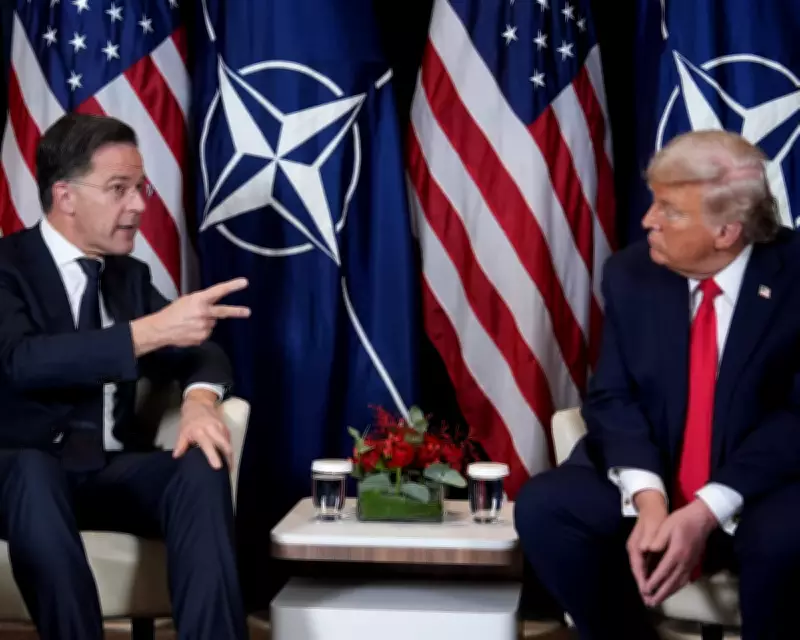
Nato's secretary general, Mark Rutte, faced ridicule after referring to Donald Trump as 'daddy' during a meeting in January 2026, a moment captured in a photograph by Evan Vucci. This incident highlights a broader shift in European attitudes towards the US president, as detailed by Nathalie Tocci in her analysis of the Iran conflict.
From Sycophancy to Opposition: Europe's Evolving Stance
Initially, many European politicians tacitly supported the illegal US and Israeli attack on Iran, with Rutte's sycophantic approach representing one end of the spectrum. However, as the war escalated, European leaders began to distance themselves. Trump transitioned from being seen as a paternal figure to a 'baddie,' in the words of Spanish Prime Minister Pedro Sánchez, who led principled opposition.
This cooling stance manifested in various actions across Europe. Italy denied US warplanes access to an airbase in Sicily, Poland refused to send Patriot air defence systems to the Middle East, and France rejected overflight rights while opposing a US-sponsored UN resolution. Spain, which imposed early bans on using joint bases for war operations, no longer appears isolated, with Sánchez advocating for a lasting peace.

Factors Driving Europe's Shift
Several factors explain this trajectory. European governments initially backed the war, hoping for strategic gains, but soon realized their miscalculation benefited Russia through higher oil prices and depleted resources for Ukraine. Washington's actions, such as temporarily unsanctioning Russian oil and considering diverting weapons from Ukraine to the Gulf, further alienated European allies.
The war has proven devastating for Kyiv and threatens another economic crisis in Europe, following Covid-19 and the Ukraine conflict. European leaders have been reminded that the erosion of international law, as seen in the Middle East, harms global stability, including Europe's interests.
Trump's Diminishing Influence and European Resilience
Trump's repetitive and unhinged declarations, including threats of war crimes and insults towards European leaders, have lost their impact, leading to numbness and boredom among Europeans. Even far-right leaders in Italy, Germany, and France are distancing themselves from Trump, recognizing the toxicity of association with his administration. Only Hungary's Viktor Orbán remains aligned, though upcoming elections may test this loyalty.
As Europe finds its footing in opposition to Trump, it may also rediscover its diplomatic voice. Similar to its role in the Iranian nuclear file after the Iraq war, Europe's promotion of a permanent end to hostilities could pave the way for multilateral initiatives. Proposals include ensuring safe passage through the Strait of Hormuz and a UN-led fertiliser corridor to prevent global food crises.
Pathways to Peace and Reconstruction
The UK is leading a coalition of over 40 countries to reopen the Strait of Hormuz, involving coordination with Iran. This initiative might include Iran's oil exports and a regional toll system for reconstruction. If successful, it could extend to new nuclear agreements and non-aggression pacts between the US, Israel, and Iran, potentially involving the release of frozen Iranian funds and selective sanctions lifting.
Europeans have been reminded that their commitment to multilateralism and international law is not just idealistic but serves hard-nosed interests. They must act with Gulf and Asian partners to ensure this illegal war, which is not theirs, comes to a definitive close, fostering a more stable and cooperative international order.