Cuban Citizens Detail Hardships from US Fuel Blockade Impact
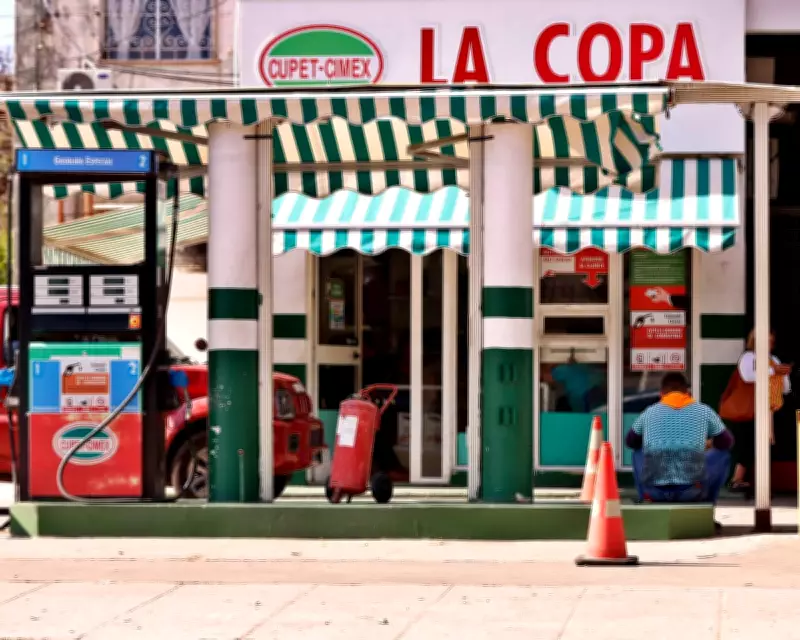
In a series of poignant accounts, people living in Cuba have come forward to describe how the ongoing US fuel blockade is severely affecting their daily lives. The blockade, part of broader sanctions, has led to critical shortages that ripple through essential services, from transportation to healthcare, creating a cascade of challenges for ordinary Cubans.
Transportation Gridlock and Economic Strain
Public transport has become increasingly unreliable, with buses and taxis often grounded due to lack of fuel. This has forced many residents to walk long distances or rely on bicycles, impacting their ability to commute to work or access markets. "I used to take a bus to my job, but now I walk for over an hour each way," said one Havana resident, highlighting the physical and economic toll.
The blockade has also disrupted supply chains, leading to shortages of goods and rising prices. Local businesses struggle to operate, with some closing down, exacerbating unemployment and economic instability. "We can't get basic items like medicine or food delivered on time," noted a small shop owner, underscoring the broader economic impact.

Healthcare and Essential Services in Crisis
Healthcare facilities are facing dire consequences, with ambulances and medical equipment often idled by fuel shortages. This delays emergency responses and limits access to treatment, particularly in rural areas. "My mother needed urgent care, but the ambulance couldn't come because there was no fuel," shared a family member from Santiago de Cuba, pointing to life-threatening risks.
Other essential services, such as electricity and water distribution, are also affected, as fuel is needed to power generators and pumps. This results in frequent blackouts and water shortages, compounding the hardships for households.
- Increased health risks from untreated conditions
- Disruptions in education due to school transport issues
- Social isolation as travel becomes more difficult
Personal Stories of Resilience and Struggle
Despite these challenges, many Cubans demonstrate resilience, adapting with community support and informal networks. However, the emotional and psychological strain is evident, with reports of stress and anxiety over uncertain futures. "We're just trying to survive day by day," expressed a teacher from Camagüey, reflecting widespread sentiment.
The blockade's effects extend beyond immediate needs, threatening long-term development and quality of life. International observers warn that without relief, the situation could worsen, leading to deeper humanitarian concerns.
- Immediate need for fuel to restore basic services
- Potential for increased migration due to economic pressure
- Calls for diplomatic solutions to ease sanctions
As these personal narratives emerge, they paint a vivid picture of the human cost behind geopolitical policies, urging a reevaluation of the blockade's impact on civilian populations.