CNN Correspondent Faces Intense Criticism Over Iran War Reporting
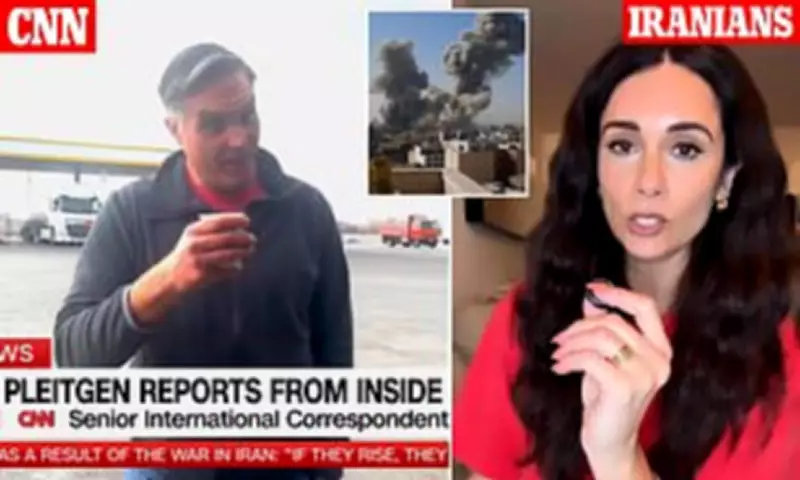
CNN's sole correspondent on the ground in Iran, Frederik Pleitgen, is confronting substantial backlash for his coverage during the seventh day of the escalating conflict involving the United States and Israel. Reporting from the road to Tehran, Pleitgen led a broadcast suggesting it was 'business as usual' in the war-torn nation, despite acknowledging encounters with heavy checkpoints and armed personnel.
Contrasting Narratives Emerge
In a surreal twist, the veteran correspondent informed viewers he observed 'no signs of panic' whatsoever, depicting a scene of absolute calm. He reported that shops remained open and fully stocked with fresh produce like fruits and vegetables, noted 'no long lines', and stated fuel appeared 'readily available' at a gas station. Pleitgen emphasised, 'You just don't see any sort of degree of panic anywhere,' even casually sipping a cup of coffee handed to him on air.
However, furious Iranians are vehemently disputing this portrayal. Outraged activists and local influencers have flooded social media platforms, savagely mocking and tearing down the network's reporting. They accuse CNN of broadcasting a 'parallel universe' and label their coverage as 'garbage', with viral videos and comments painting a vastly different, much darker picture.

Social Media Backlash Intensifies
Terrified Iranian families are reportedly fearfully retreating inside their homes, rationing food and water while bracing for potential violence. Sources indicate stores are shuttered, ATMs are empty, and the price of fundamental items like water has skyrocketed. Nazanin Nour, a California-based Iranian influencer, actress, and model, posted a video dissecting Pleitgen's claims point by point.
- Nour sarcastically questioned the absence of long lines at gas stations, suggesting, 'a lot of people are staying inside because, um, the country is getting bombed?'
- She countered reports of stocked grocery shelves by stating, 'Yeah, the shelves are probably pretty stocked because most people can't afford groceries right now.'
- Nour challenged Pleitgen's claim of no panic, asking if he saw the panic of people shot at by the IRGC or threatened at checkpoints.
Official Criticism and Broader Context
Dylan Johnson, the new assistant secretary of state for global public affairs, attacked the report on social media, posting a clip on X with the comment, 'CNN appears to now be doing straight-up pro-Iran regime propaganda because someone gave this guy a coffee...' This stark disconnect comes as the U.S. and Israel continue a massive, multi-day bombing campaign, with over 2,000 targets hit as the conflict enters its second week.
Far from the relaxed atmosphere depicted, the U.S. government is treating the region as an active and highly volatile war zone. Johnson confirmed the State Department is scrambling to evacuate U.S. citizens, securing military aircraft and charter flights for Americans wishing to leave the Middle East. The department is in direct contact with nearly 3,000 Americans trapped abroad, urging them to seek emergency departure options as civilian airspace shuts down and neighbouring Gulf nations brace for potential spillover violence.
CNN operates in Iran only with government permission, and in another report, Pleitgen and photojournalist Claudia Otto joined pro-regime demonstrators, with captions noting 'the government attempts to put on a defiant face.' This has further fueled accusations of biased reporting, highlighting the tension between on-the-ground broadcasts and the harsh realities of war.