CNN's Frederik Pleitgen Reflects on Sole Western TV Role in Iran War Zone
CNN Journalist on Sole Western TV Role in Iran War Zone

CNN's Frederik Pleitgen on Being the Only Western TV Journalist in Iran: 'A Big Responsibility'

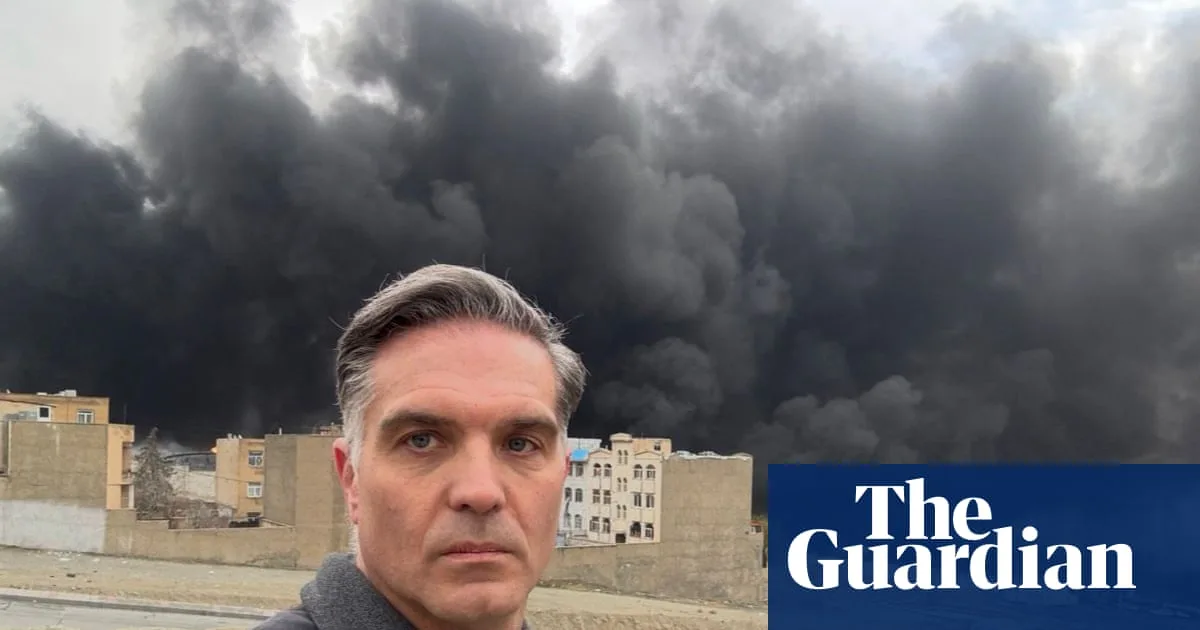
Frederik Pleitgen, CNN's senior international correspondent, experienced a stark contrast between a quiet evening at home in Berlin with his family and the intense reality of reporting from war-torn Iran. As the only Western television correspondent granted a visa to cover the conflict, Pleitgen spent a week navigating hostile territory, facing criticism, and managing safety risks, all while upholding journalistic integrity.

Navigating Hostile Territories and Family Concerns

Despite his extensive experience in hostile regions like Iran and Russia, where he also serves as a Moscow correspondent, the 49-year-old journalist admitted that his wife had a "bad feeling" about this trip. However, he deemed the opportunity too significant to miss, even after a close call on Tuesday when he and producer Claudia Otto fled a site upon hearing anti-aircraft fire and an explosion.

Pleitgen emphasized the importance of being on the ground, stating, "Even if there are restrictions, it's always better to be on the ground than to not be on the ground." He highlighted the high stakes involved, noting that the coverage impacts not just political narratives but also the hopes of the Iranian diaspora.

Facing Criticism and Media Scrutiny

Amid immense media scrutiny and hostility from the White House, CNN faced snide remarks and accusations that Pleitgen was engaging in propaganda for the Iranian regime. A dismissive tweet from a Trump administration member underscored the polarized environment. Pleitgen responded calmly, saying, "I can take the criticism. I think it's fine," and attributed much of the backlash to partisan divides in the U.S.

He explained that Iran granted his visa due to his long-standing relationship with the country's culture ministry, which handles foreign media. While he had a translator, there was no official minder, but restrictions were tighter this time, requiring prior notification for visits to strike sites to avoid conflicts with Revolutionary Guard Corps security.

Independence and Safety in War Coverage

When asked about the independence of his coverage under limitations, Pleitgen expressed satisfaction, particularly regarding war reporting. However, he noted challenges in assessing public support for the government, as few people were on the streets and many feared speaking out.

Safety was a constant concern, with Pleitgen describing makeshift precautions in Tehran. He and his team stayed in a hotel in a relatively safe area, moving to the bottom floor during bombings due to the lack of air raid sirens or hardened shelters. He contrasted this with the war in Ukraine, pointing out the precision munitions used by the U.S. and Israel, which heighten risks of collateral damage.

Family Acclimation and Future Plans

With 18 years of experience in war zones like Ukraine, Iraq, Afghanistan, and Syria, Pleitgen's family has grown accustomed to his dangerous assignments. Despite initial worries, communication from Iran helped alleviate concerns. He expressed a willingness to stay longer than eight days and plans to request another visa soon, emphasizing the importance of firsthand reporting.

Pleitgen's dedication underscores the vital role of journalists in conflict zones, balancing responsibility, criticism, and peril to bring crucial stories to light.