Separatist Forces in Cameroon Declare Temporary Ceasefire for Papal Visit
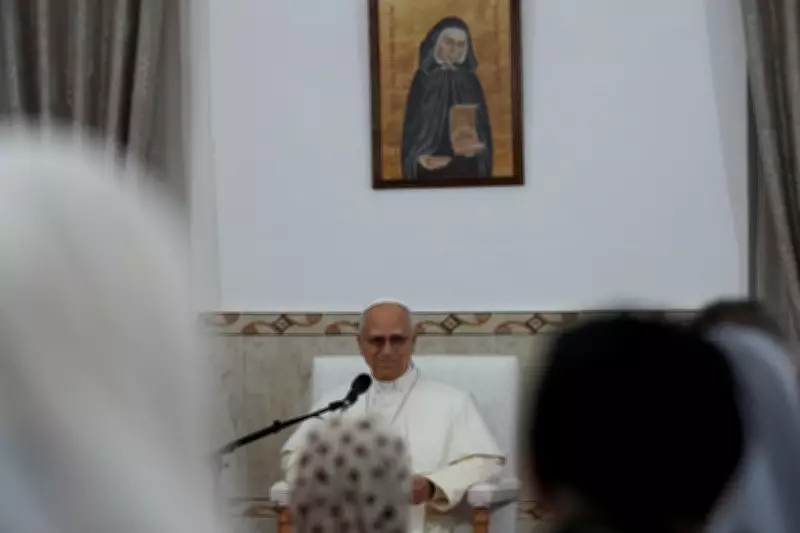
English-speaking separatist factions in Cameroon have announced a significant three-day suspension of armed hostilities to facilitate safe travel during the forthcoming visit of Pope Leo XIV. The pontiff is scheduled to arrive in the central African country on Wednesday as part of his four-nation African tour.
Unity Alliance Announces Humanitarian Pause
The Unity Alliance, a coalition representing several separatist groups, issued a formal statement late on Monday confirming the temporary ceasefire. The alliance emphasized that this pause reflects the profound spiritual importance of the papal visit and is specifically designed to allow civilians, religious pilgrims, and international dignitaries to move through the region without threat of violence.
Lucas Asu, a spokesperson for the Unity Alliance, elaborated in the statement that this decision demonstrates a deliberate commitment to responsibility, restraint, and respect for human dignity, even amidst the persistent armed conflict. He further stressed that the pope's visit should be viewed strictly as a spiritual event and not interpreted as an endorsement of any political authority within Cameroon.

Government Preparations and Ongoing Conflict
Cameroonian authorities have not provided an immediate response to inquiries regarding the separatists' announcement. However, government spokesperson René Sadi stated last week that all necessary arrangements have been made to ensure the papal visit proceeds successfully and securely.
The western regions of Cameroon have endured severe violence since 2017, when English-speaking separatists initiated an armed rebellion. Their stated objective is to secede from the French-speaking majority and establish an independent state. According to data from the International Crisis Group, this protracted conflict has resulted in more than 6,000 fatalities and displaced over 600,000 individuals from their homes.
Papal Itinerary and Peace Efforts
Pope Leo XIV, who commenced his African journey in Algeria earlier this week, is due to arrive in Cameroon's capital city, Yaoundé. His itinerary includes leading a peace meeting on Thursday in Bamenda, a city that has become the epicenter of clashes between separatist fighters and government military forces.
Although the frequency of deadly attacks by separatist groups has diminished in recent years, the underlying conflict remains unresolved. International mediation efforts and peace talks have consistently stalled, with both the separatist factions and the Cameroonian government accusing each other of negotiating in bad faith.
Historical Roots of the Conflict
The current strife is deeply rooted in Cameroon's colonial past. Following World War I, the territory was partitioned between French and British administrations. English-speaking regions later joined French Cameroon through a United Nations-backed referendum in 1961. Separatist advocates argue that English-speaking communities have faced systematic political and economic marginalization ever since this unification.
This temporary ceasefire represents a rare moment of de-escalation in a conflict that has devastated the region for nearly a decade, offering a fragile window for diplomatic and spiritual engagement during the pope's historic visit.