Baloch Activist's Solitary Confinement Letter Highlights Human Rights Struggle
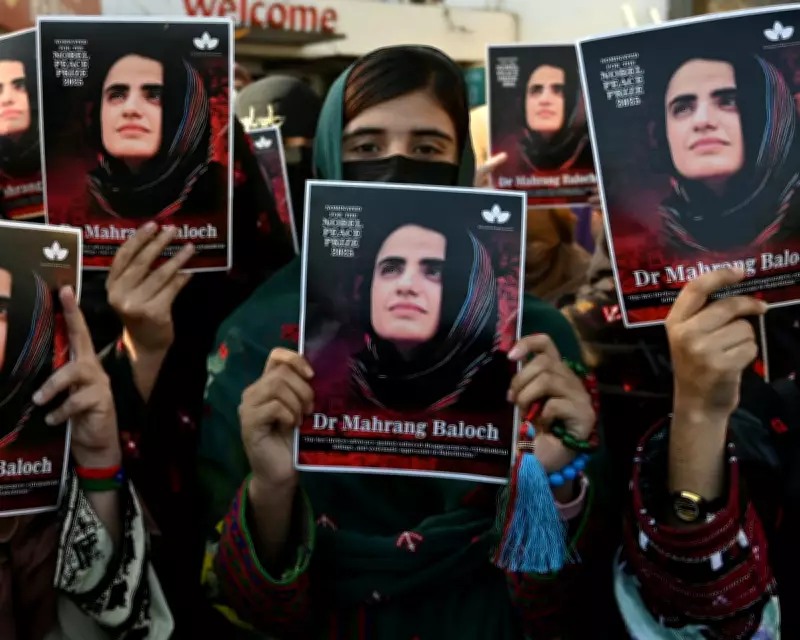
In a poignant dispatch from solitary confinement, Dr Mahrang Baloch, a human rights activist and leader of the Baloch Yakjehti Committee (BYC), shares her experiences from a women's prison in Quetta, Pakistan. Writing at 9pm from her cell in block nine, she reveals she has spent a year in isolation, even marking her 30th birthday behind bars.
Two other defenders and BYC members are held in adjacent cells, separated from other inmates at Central Jail Huda. Authorities label them as political prisoners, allegedly fearing they might influence others. Baloch describes how books and exercise initially kept her sane, but severe back and joint pain since last October have halted her physical activity. As a doctor, she attempted self-treatment until hospitalization in February diagnosed her with a slipped disc and radiculopathy.
Family Targeted Amid Activism
The greater anguish, she writes, stems from the relentless targeting of her family due to her political work. Her cousin Salal Baloch was forcibly disappeared, and on 12 March this year, her 19-year-old cousin Saifullah Baloch was picked up and remains missing. Her brother is on a watch list, facing strict monitoring, travel bans, and harassment from the counter-terrorism department, while her sister endures charges and harassment for speaking out at press conferences.

Since their arrest in March last year, efforts to break their resolve have included violence, such as the beating of activist Beebow Baloch during a transfer, and poor conditions leading to health issues like a urethral stricture for Beebarg Zehri. Despite this, Baloch asserts that none have surrendered, framing their struggle as part of decades of injustice against the Baloch people, focused on survival and justice.
Peaceful Resistance Amid Propaganda
Baloch clarifies that while armed groups exist in Balochistan, conflating them with peaceful movements like BYC is propaganda. She calls for an honest reckoning with the conditions driving youth toward militancy, emphasizing BYC's commitment to non-violent activism within Pakistan's constitution. She condemns all violence harming innocent people in the region.
In prison, memories of her father, Baloch women, and sit-ins sharpen, providing both pain and strength. She concludes with a calm certainty that despite state violence and collective punishment, the Baloch continue their peaceful resistance.
Global Development and Art Features
This month's newsletter also explores digital violence in Africa, with Ethiopian activists facing threats, and rehabilitation efforts in a Mexican prison. Artist Laetitia Ky discusses her sculptural hairstyles, using hair as a medium to convey messages on feminism and identity. Growing up in Abidjan, Côte d'Ivoire, she transformed self-hatred of her natural hair into empowerment, celebrating her roots through intimate photography, including a rare piece featuring her sister.
Additional highlights include Saara El-Arifi's historical novel reimagining Cleopatra, the Adolescent Girls Summit in Yamoussoukro addressing issues like child marriage, and Elinor Cleghorn's book on motherhood through women's voices.