Australian Mothers in Syrian Detention Offer to Send Children Home Without Them
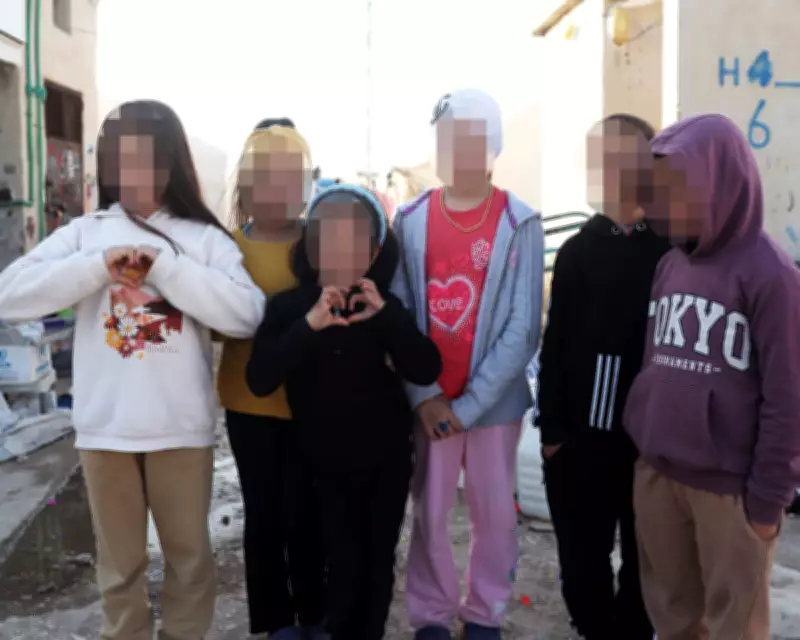
Eleven Australian women held in the Kurdish-controlled al-Roj camp in north-east Syria have declared they are willing to be separated from their children if it enables the youngsters to return to Australia. This desperate plea comes amid worsening psychological conditions for the 23 Australian children detained with them, some as young as six years old.
Psychological Toll on Children Sparks Urgent Calls for Repatriation
The mothers report that their children are experiencing severe emotional trauma, including night terrors, bed-wetting, and self-harm behaviours. Zahra Ahmad, a Melbourne mother of three detained since at least 2019, described how her son Omar bites his fingers until they bleed due to stress. "They can't cope any more and they can't understand why they're kept in this situation," she said, urging the Australian government to prioritise the children's safety and innocence.
Failed Repatriation Attempt Heightens Desperation
Last week, a brief release from the camp by Kurdish authorities led to an aborted attempt to reach Damascus for flights to Australia. The convoy was turned back after Syrian government intervention, citing lack of proper coordination. This setback has left families more hopeless, with 11-year-old Baidaa expressing confusion and sadness, stating she just wants to "live a normal life, not like here."

Australian Government's Stance and Rights Groups' Concerns
The Australian government opposes repatriation and refuses to assist in re-entry efforts, despite warnings from human rights organisations. Groups like Save the Children and Human Rights Watch highlight that:
- Arbitrary detention violates the women and children's rights.
- Camp conditions are squalid, with tents offering little shelter from extreme temperatures.
- Children are at risk of radicalisation by extremist women in the camp.
- Recent chaos, including nightly raids by Kurdish guards, exposes them to trafficking and exploitation.
Mat Tinkler, CEO of Save the Children, emphasised that repatriating families together is safer, based on advice from national security agencies, to ensure proper integration and de-radicalisation in Australia.
Uncertain Future for al-Roj Camp Adds to Risks
With Damascus taking control of the nearby al-Hawl camp last month, where 6,000 foreign women and children were smuggled out to unknown locations, fears grow that al-Roj could face similar vulnerabilities. Parents worry their children might fall into the hands of Islamic State or traffickers if the camp is closed or left unsecured.
Adam Coogle of Human Rights Watch stressed that unless there is evidence of crimes, all residents deserve support to return and rebuild their lives, avoiding further ill-treatment in the chaotic environment.