Australian Citizens with Alleged IS Ties Depart Syria's Roj Camp for Repatriation
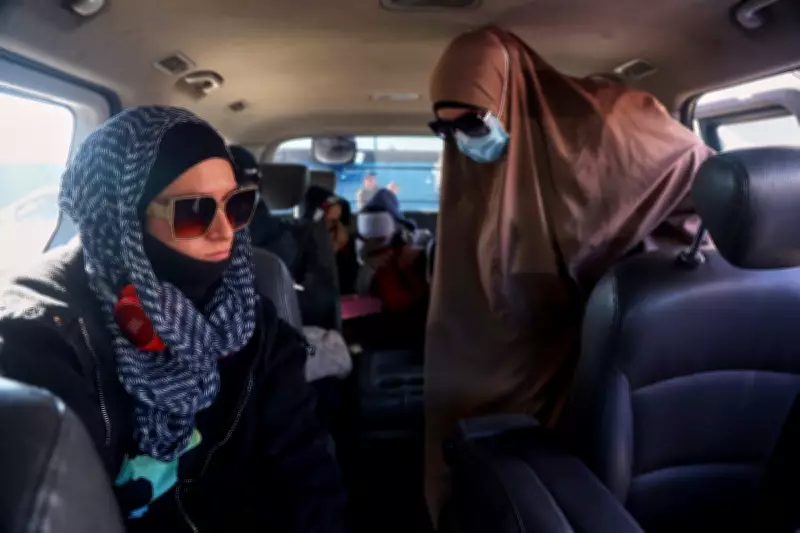
A group of Australian citizens has left the Roj camp in northeast Syria, embarking on a journey back to their home country as part of an ongoing repatriation process for individuals with alleged ties to Islamic State militants. The departure marks a significant step in addressing the complex humanitarian and security issues surrounding the camp's residents.
Details of the Repatriation Operation
On Monday, 16 February 2026, 34 Australian citizens from 11 families departed the Roj camp, accompanied by relatives who traveled from Australia to support their return. According to Hakmiyeh Ibrahim, the director of the Roj camp, the group will first make their way to Damascus, the Syrian capital, before flying to Australia. This operation is the first of its kind this year, following the repatriation of 16 families in the previous year, including nationals from Germany, Britain, and France. In 2022, three Australian families were similarly repatriated, highlighting the gradual nature of these efforts.
Conditions and Context of the Roj Camp
The Roj camp houses approximately 2,200 people from around 50 nationalities, predominantly women and children with supposed links to the extremist group. While most residents are not technically prisoners and have not been formally accused of crimes, they have effectively been detained in the heavily guarded facility, which is controlled by the Kurdish-led Syrian Democratic Forces. The camp's most well-known resident, Shamima Begum, gained international attention after fleeing London at age 15 in 2015 to marry IS fighters in Syria. Begum, who recently lost an appeal against the British government's decision to revoke her U.K. citizenship, exemplifies the legal and ethical dilemmas faced by many camp inhabitants.

Broader Implications and Regional Developments
The fate of the Roj camp and the larger al-Hol camp has been a subject of intense debate for years. Human rights groups have repeatedly cited poor living conditions and pervasive violence in these camps, yet many countries have been reluctant to repatriate their citizens due to security concerns. In a related development, Syrian government forces took control of al-Hol camp last month amid clashes with the SDF, leading to the seizure of most territory in northeast Syria previously held by Kurdish forces. The U.N. refugee agency reported on Sunday that a large number of al-Hol residents have left, with plans by the Syrian government to relocate those who remain.
Separately, thousands of accused IS militants held in detention centers in northeastern Syria have been transferred to Iraq by the U.S. military to stand trial there, underscoring the ongoing challenges in managing the aftermath of the Islamic State's decline. These movements highlight the intricate balance between humanitarian considerations and national security priorities in the region.