Australian Children in Syrian Camp Dream of Freedom and Home
The Australian children detained at the al-Roj camp in Syria hold onto vivid dreams for their future upon returning home, ranging from performing on Australia’s Got Talent to becoming doctors. These aspirations emerge from a life spent behind barbed-wire topped walls, where even a brief taste of freedom becomes a poignant memory.
A Fleeting Glimpse of the Outside World
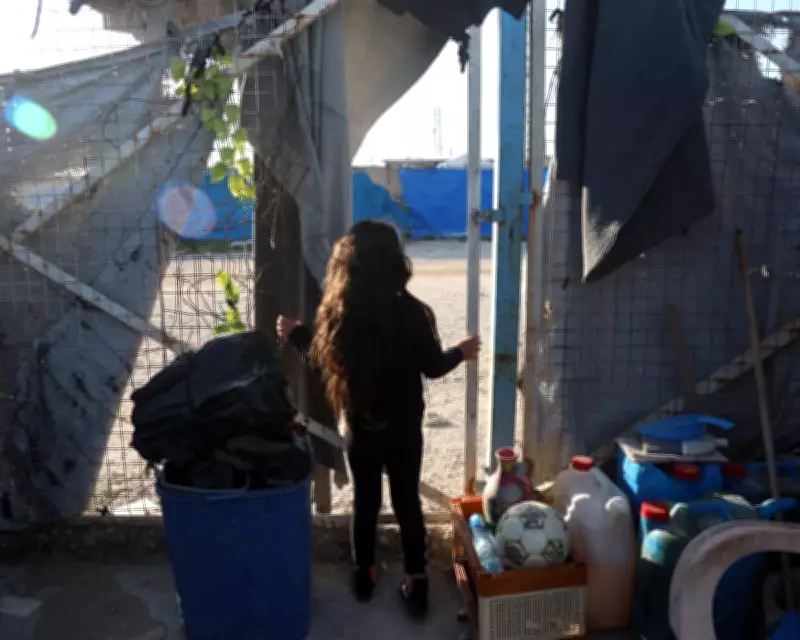
For one hour last week, the 23 Australian children held in the al-Roj detention camp experienced freedom. Six-year-old Layla, for instance, stuck her head out of a car window, breathing in the sweet, sweet air and marveling at sights like a drink shop and a baby horse. She feasted on candy brought by relatives from Australia and asked if they would have to live in a tent there too. However, the joy was short-lived; a phone call forced the car to turn back, returning them to the camp. Layla watched her aunt Zahraa collapse in despair and then vomited up all the candy, a physical reaction to the emotional turmoil.
Back in the camp, the children gather on rocky ground outside their tents, waiting and hoping. Eleven-year-old Baidaa expresses her anguish through tears, stating, I just want to go and be free. She describes life in tents as cold, dirty, and disgusting, highlighting the harsh conditions they endure daily.

Unaware of the Political Debate at Home
These children have no idea they are at the center of a fierce debate in Australia, where they are often labeled as security threats in news reports. They remain unaware of Prime Minister Anthony Albanese's comments that those who make their bed must lie in it. Their mothers strive to shield them from such politics, focusing instead on survival and dreams.
Mohammed, a 14-year-old who was brought to Syria as a toddler, reflects on his situation, saying, I’m a normal person, but just in the wrong country. He explains that his father came to help people in Syria but was killed, leaving the family stranded. His brother, 12-year-old Omar, adds that their mother initially described the trip as a vacation that turned into a nightmare. None of the children claim knowledge of Islamic State, with their mothers asserting they were coerced or tricked into entering IS-controlled areas.
Dreams of a Mythical Australia
For these children, Australia has attained a mythical status—a land of abundance and joy. Layla imagines ice-cream shops and characters from Bluey, while nine-year-old Assiyah dreams of swimming in her grandma’s pool on a farm. Omar aspires to be a doctor and own a phone for games and movies, unaware of platforms like Instagram. Mohammed longs to ride his bike freely, tired of the limited loops within the camp.
Assiyah spends hours rehearsing songs from Frozen in her tent, hoping to compete on Australia’s Got Talent and win the golden buzzer. These dreams provide a stark contrast to their reality, where they feel different from children back home, having learned to appreciate what they lack.
Growing Fears and Deteriorating Conditions
As the children dream, their mothers fear time is running out for repatriation. Since the Syrian government took control of al-Hawl camp last month, all 6,000 foreign women and children were smuggled out, with rumors of daughters being married off and sons recruited back into IS. Conditions at al-Roj have worsened, with night raids by security forces disrupting sleep with gunfire.
The children feel this fear acutely. Omar bites his fingers until they scar and has begun wetting the bed at night, despite being 12. Mohammed shakes when speaking, scared that adulthood in the camp might separate him from his family. Yet, his voice steadies with hope, stating, I’ll be patient as long as I know I’m not going to stay here, because eventually you need to go home.
Al-Roj camp, housing around 2,200 individuals from dozens of countries, is described as having life-threatening conditions. The Kurdish authorities, who guard the camp, lack the capacity to manage its occupants, leaving families in limbo. As debates rage in Australia over their return, these children cling to their dreams of freedom, ice-cream, and a life beyond the barbed wire.