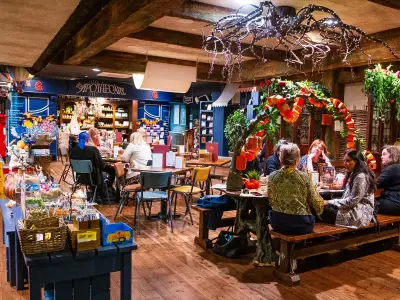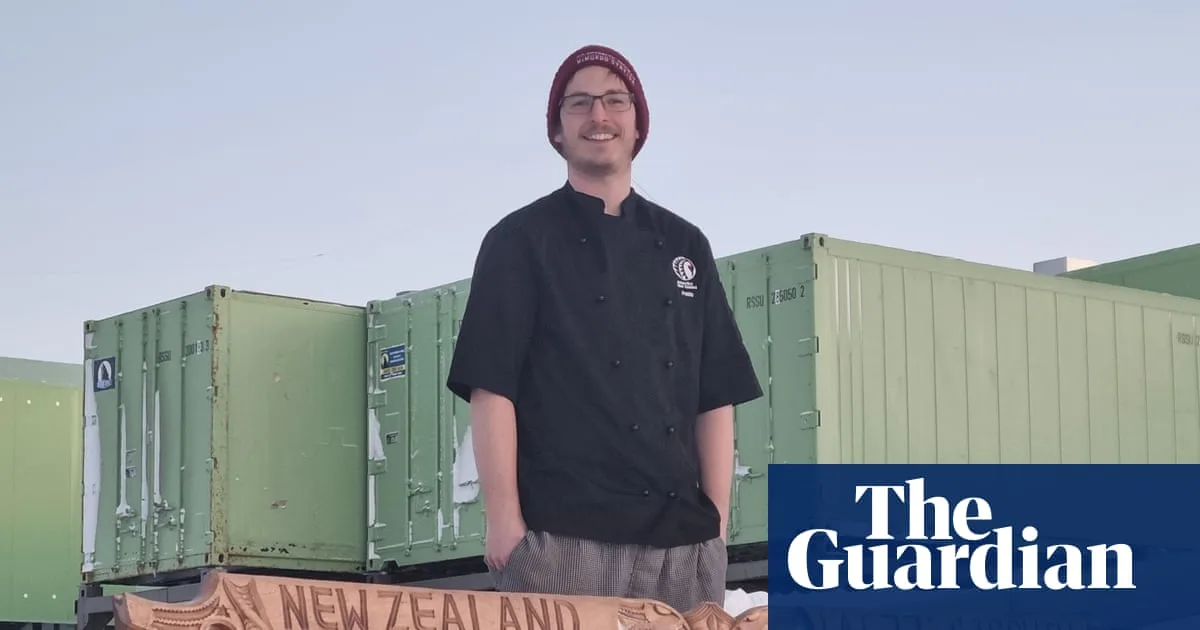
During Antarctica's darkest, coldest days, chefs at research stations provide warm meals to boost morale. Al Chapman, a chef who has worked multiple seasons 'on ice', says food is crucial for lifting spirits in extreme isolation. At New Zealand's Scott Base, the dining hall serves breakfast, morning tea, lunch and dinner for up to 85 people, with menus featuring fresh bread, croissants, curry, chicken Marbella, and baked goods like brownies and bakewell tarts.
Chapman notes that penguins are not eaten, unlike in early exploration days, as they are protected under the Antarctic Treaty. Instead, comfort foods like cheese rolls, known as 'southern sushi', are popular. 'You'd put them out, and they'd just be gone. People love that taste of home,' he says.
Paddy Rietveld, a veteran of four Antarctic seasons, says variety is key to combat monotony. He made fortune cookies for a sweet and sour chicken meal, writing the fortunes himself. Thursdays are 'American night' at Scott Base, with barbecue, burgers or nachos, and extra seats for staff from nearby McMurdo Station, which hosts up to 1,200 people in summer. The guest seats are so coveted that a lottery system was introduced.
Both chefs face challenges like longer cooking times due to low temperatures and high elevation, and must accommodate allergies and diets. Ingredients are repurposed to minimise waste: leftover vegetables go into stews, and meats become sandwiches. Chapman recently cooked in a tent on an electric stove at SWAIS2C camp, where temperatures dropped to -40C. Supplies were ordered a year in advance and transported over treacherous terrain, stored in a freezer under the ice.
Despite the remoteness, Chapman served steak, venison, and varied proteins, with traditions like sausage roll Tuesdays and fish and chip Fridays. Christmas featured ham, smoked salmon, rump steaks, mince pies, pavlova, and a single punnet of strawberries shared among 27 scientists. In 2001, Chris Martin, science leader at the Amundsen-Scott South Pole Station, noted that chocolate consumption was so high that the contracting company intervened, but desserts remain a key morale booster.