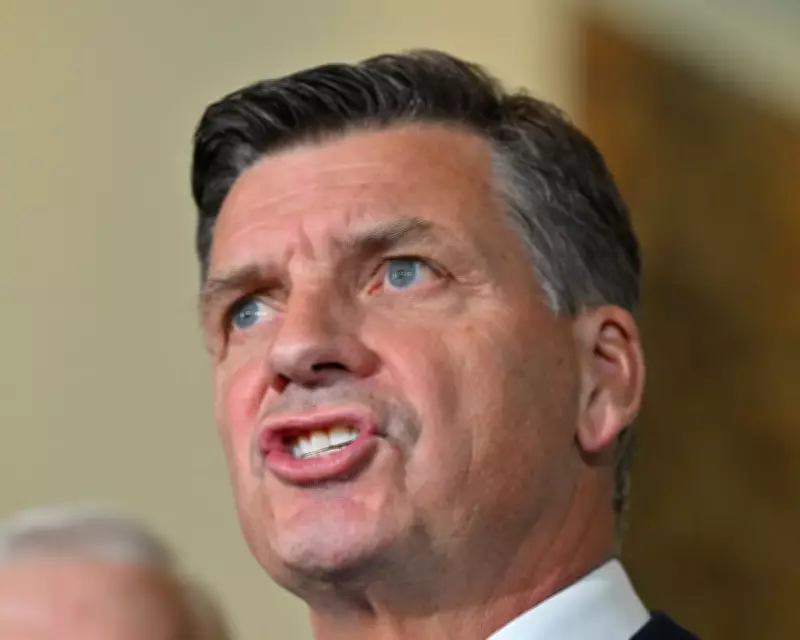
Australian Member of Parliament Angus Taylor has sparked controversy with recent remarks concerning the Islamic State group and its connections to Syria, drawing sharp criticism from political opponents and analysts alike. The comments, made during a public address, have ignited a debate over the accuracy and implications of such statements in the context of ongoing international conflicts.
Backlash Over Geopolitical Simplification
Critics argue that Taylor's statements oversimplify the intricate and multifaceted nature of the Islamic State's presence in Syria, potentially misleading the public and undermining nuanced discussions on counter-terrorism efforts. Experts point out that the group's operations and influence extend beyond national borders, involving a complex web of regional dynamics and global security challenges.
Political Reactions and Calls for Clarification
Opposition figures have called for Taylor to retract or clarify his comments, emphasising the need for responsible discourse from elected officials on sensitive topics like terrorism and foreign policy. Some have suggested that such remarks could inadvertently fuel misinformation or stigmatise communities, highlighting the importance of evidence-based communication in political leadership.

In response, Taylor's supporters defend his right to express views on national security matters, though they acknowledge the contentious nature of the topic. The incident underscores broader tensions in Australian politics regarding how to address and discuss international threats without resorting to reductionist narratives.
Implications for Policy and Public Perception
The fallout from Taylor's comments may influence public perception of Australia's stance on Middle Eastern conflicts and its approach to combating extremism. Analysts warn that oversimplified rhetoric can hinder effective policymaking by obscuring the root causes and complexities of groups like Islamic State, which require coordinated international strategies.
As the debate continues, stakeholders urge for a more informed and balanced dialogue that considers the historical, social, and political factors at play in Syria and beyond. This episode serves as a reminder of the delicate balance politicians must strike when addressing global issues with domestic audiences.