Aid Organizations File Urgent Petition Against Israeli Ban in Gaza
Seventeen prominent international humanitarian organizations have submitted a formal petition to Israel's Supreme Court, seeking to overturn an impending ban that would prevent them from operating in the Gaza Strip and other Palestinian territories. The Israeli government announced it will prohibit thirty-seven aid groups by March 1st for refusing to comply with newly implemented registration requirements.
New Regulations Spark Legal and Humanitarian Conflict
The controversial regulations, introduced last year, mandate that all aid organizations operating in areas under Israeli control must register detailed information about their employees, including names and contact details, while also providing comprehensive documentation about their funding sources and operational activities. The aid groups involved in the petition have characterized these requirements as invasive, arbitrary, and disproportionate, arguing they would severely hinder the delivery of critical assistance to Gaza's war-ravaged population.
In a joint statement released on Tuesday, the organizations warned that stopping their activities would lead to humanitarian collapse and irreparable harm for hundreds of thousands of vulnerable people who depend on their services. They contend that Israel, as an occupying power under international law, has specific obligations to ensure food and medicine reach civilian populations, and that the ban violates these fundamental responsibilities.

Diverging Perspectives on Aid Impact and Security
The Israeli military body overseeing civilian affairs in Gaza, known as COGAT, has stated that the organizations facing license revocation contribute less than one percent of the total aid entering the territory. According to COGAT, more than twenty other organizations will continue operating after complying with the new regulations. The government has referred all questions about the legal petition to COGAT, which has not yet responded to requests for comment.
Aid groups refusing compliance express significant security concerns about providing employee data to Israeli authorities, noting that hundreds of humanitarian workers have been killed in Israeli military strikes during the ongoing conflict. Israel denies deliberately targeting aid organizations, stating that in some instances it has targeted militants who infiltrated such groups or disguised themselves as aid workers, while acknowledging occasional operational errors.
Critical Humanitarian Context in Gaza
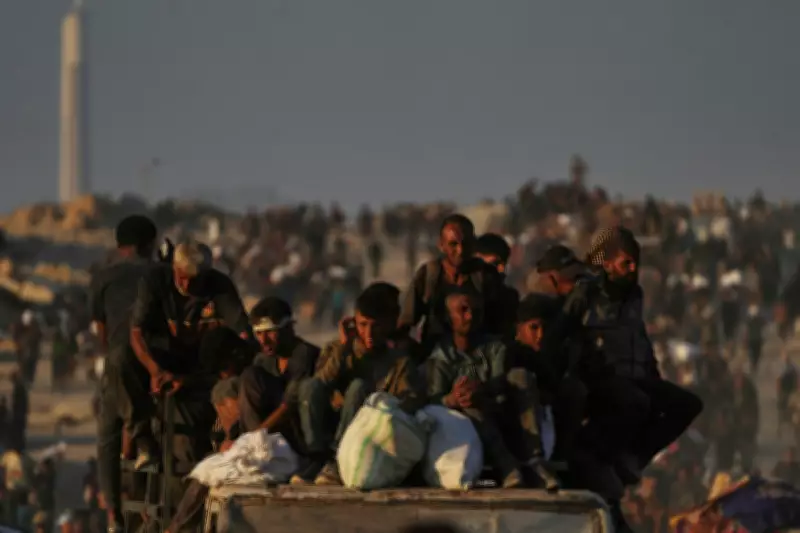
The vast majority of Gaza's two million residents currently rely on international aid organizations for essential survival needs including food, water, healthcare, and shelter following Israel's two-year military offensive that devastated much of the territory's infrastructure. Hundreds of thousands remain living in temporary tent accommodations, with reconstruction efforts yet to begin despite a fragile ceasefire agreement reached in October.
Athena Rayburn, executive director of AIDA—an umbrella organization representing over one hundred groups operating in Palestinian territories—emphasized that international charities play a vital role alongside United Nations agencies and other aid providers. AIDA has joined the seventeen organizations in their Supreme Court petition, with Rayburn stating this legal action could protect life-saving humanitarian work and allow more time to resolve the regulatory dispute.
Major Organizations Affected by Impending Ban
The banned organizations include some of the most well-known independent humanitarian groups working in Gaza, such as Doctors Without Borders (MSF), the Norwegian Refugee Council, Oxfam, and Medical Aid for Palestinians. These groups represent a significant portion of the more than one hundred independent aid organizations operating in the territory.
Doctors Without Borders, the largest provider of medical supplies after UN agencies and the Red Cross, reported it has been unable to bring any medical supplies into Gaza since early January, shortly after the ban was announced. This includes critical items like antibiotics, pain medication, anesthetics, and wound dressings.

Dr. Adi Nadimpalli of MSF warned that patients with traumatic injuries, people requiring surgery, those with chronic illnesses, and vulnerable groups needing routine primary care are all at increased risk of not receiving necessary medical attention. The organization maintains essential supply reserves for approximately three months but faces potential operational suspension if unable to secure additional materials.
Broader Implications for Palestinian Territories
The regulatory restrictions have also affected humanitarian operations in the Israeli-occupied West Bank, where MSF has already terminated one project and scaled back two others due to compliance issues. The petition argues that Israel lacks legal authority to shutter organizations in areas under the nominal control of the Palestinian Authority.
This latest conflict follows Israel's previous ban on UNRWA, the largest aid provider in Gaza, which has significantly hindered humanitarian activities over the past year. Israel accused UNRWA of allowing Hamas infiltration—allegations the agency strongly denies while emphasizing its extensive neutrality measures and protocols for removing known militants from staff positions.
The aid groups have requested an urgent interim court order to halt the ban implementation until a final ruling is issued. According to court documents, the Israeli government has until Wednesday afternoon to respond to the petition, setting the stage for a critical legal decision with profound humanitarian implications for Gaza's vulnerable population.